Your China & Yunnan Travel Experts

 Ask a Question
 Location Panjiayuan, Chaoyang District, southeast Beijing; confirm the entrance and route on a current map before departure.
What you can browse Crafts, vintage household objects, books, prints, stones, ceramics, furniture, collectibles and modern reproductions sold by many independent vendors.
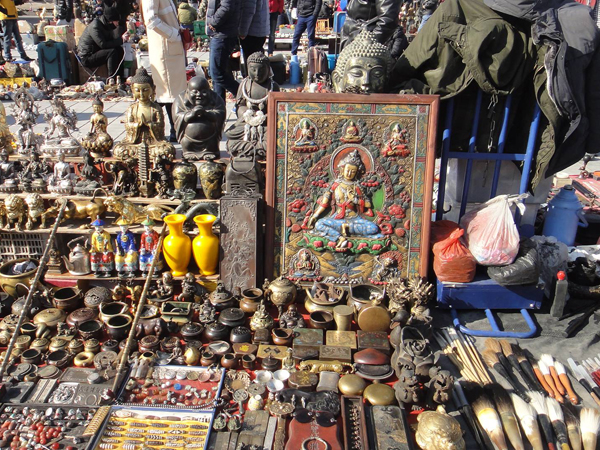
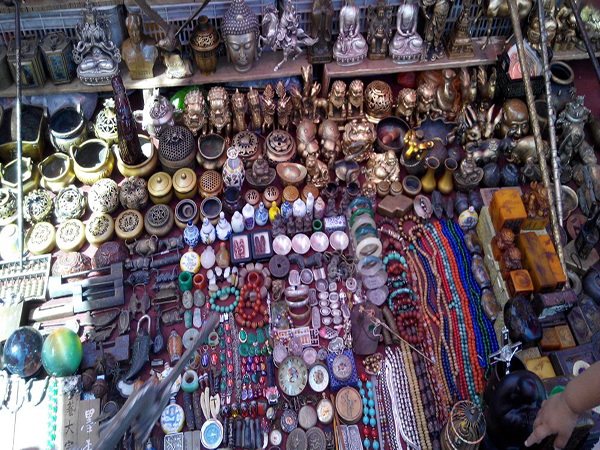
Panjiayuan Antique Market is one of Beijing's best-known places for browsing material culture, but the word “antique” in a stall name is not proof of age, authenticity or export eligibility. Use the Beijing antique-market guide to compare market types before choosing where to spend time. Plan the visit around the object you want, not a promise of a bargain. Panjiayuan Antique Market: a practical, evidence-aware guide The market has grown from an informal weekend trade into a large, organized complex. Beijing government notices in 2025 also described seasonal night-market activity, but operating days, evening sessions and individual stall attendance can change. Recheck the official market account or a same-day map listing; weekends may offer more vendors and heavier crowds, while weekdays can be calmer. The two retained photographs show the real market setting and remain paired with this overview.
How to inspect before buying
First decide whether you want a decorative souvenir, a contemporary craft or a genuinely old object. For ceramics, examine the foot, glaze, repairs and cracks under neutral light. For paper, textiles and wood, look for active mould, insects, new staining and structural repair. Compare several stalls before negotiating, photograph the item only with permission, and ask the seller to state material, claimed date, condition and price on the receipt. Never clean, scratch or test an object without consent. If a seller makes a historical claim, treat it as unverified unless it is supported by specialist documentation that you can independently check.
Buying, bargaining and export caution
Bargaining is possible at some independent stalls, but not every marked-price shop. Start by asking the price, compare like with like and make a respectful counter-offer you are prepared to pay. Walk away from pressure, “one-of-a-kind” claims or requests to hide the purchase description. China's cultural-relic export controls can cover old objects, paintings, manuscripts, coins and archaeological material; a normal receipt does not automatically create export permission. For specialist calligraphy and book shops, compare Liulichang Street; for a smaller collectible category, read the Chinese snuff-bottle guide. Keep fragile purchases in hand luggage where transport rules allow, and record the vendor location in case you need after-sales help. Last reviewed: August 28, 2026.

From on request

From $ 306

From on request