









Typical trip length
8–14 days for a first visit


Tailor-made Your Trip
Free Design Itinerary and Quote for You !
Tour planning guide
China is too large for one universal itinerary. A useful China tour plan starts with the experiences that matter most, then connects them with realistic rail or flight times. First-time routes often combine Beijing, Xi'an and Shanghai; adding Guilin, Chengdu, Yunnan, Zhangjiajie, Tibet or the Silk Road changes both the pace and the ideal trip length.
Use the tour list above for ideas, then compare the planning factors below before choosing. The aim is not to visit the maximum number of cities, but to protect enough time for major sights, local experiences and recovery after long transfers. Exact operating details, entry rules and availability should be reconfirmed for your dates.
8–14 days for a first visit
April–May and September–October
First-time visitors, couples, families and private groups
2–4 nights per major city with planned transfer time
8 days
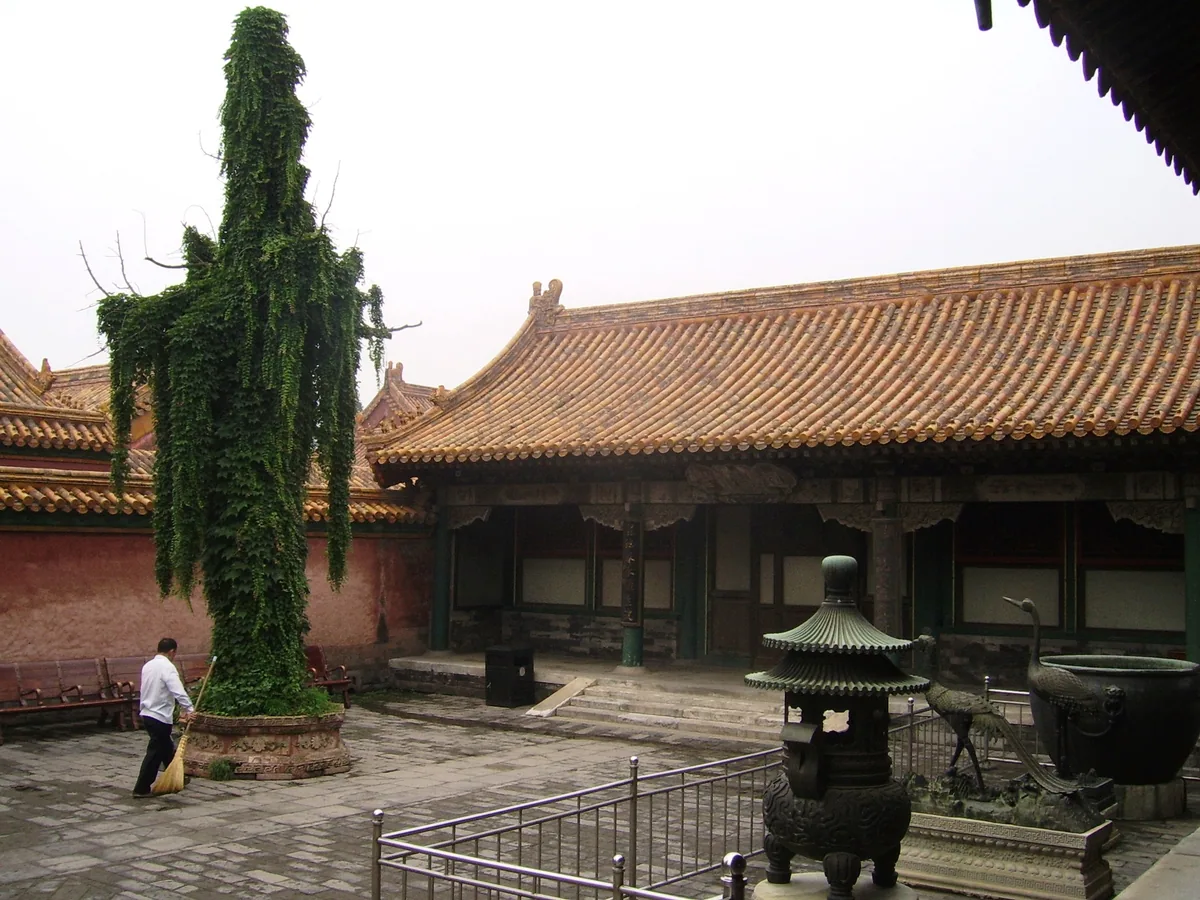
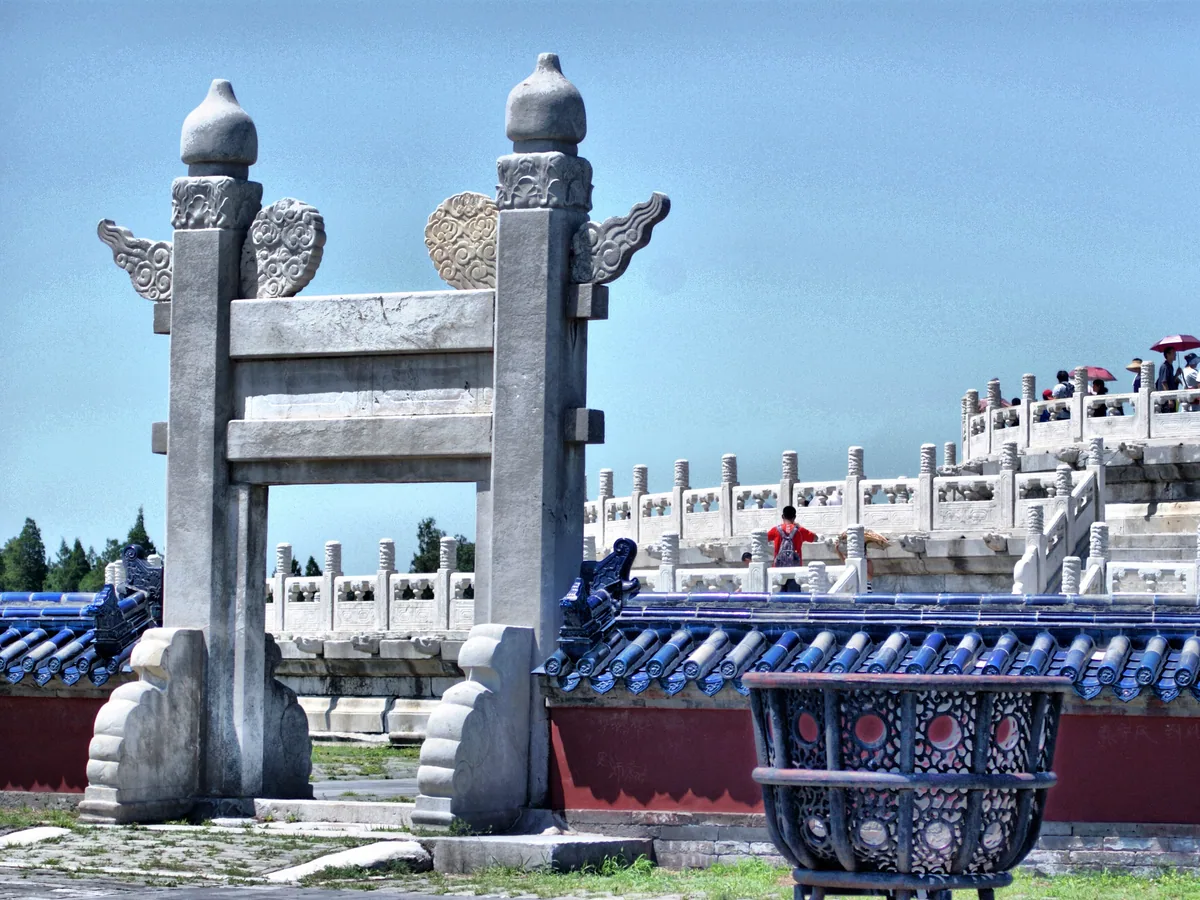
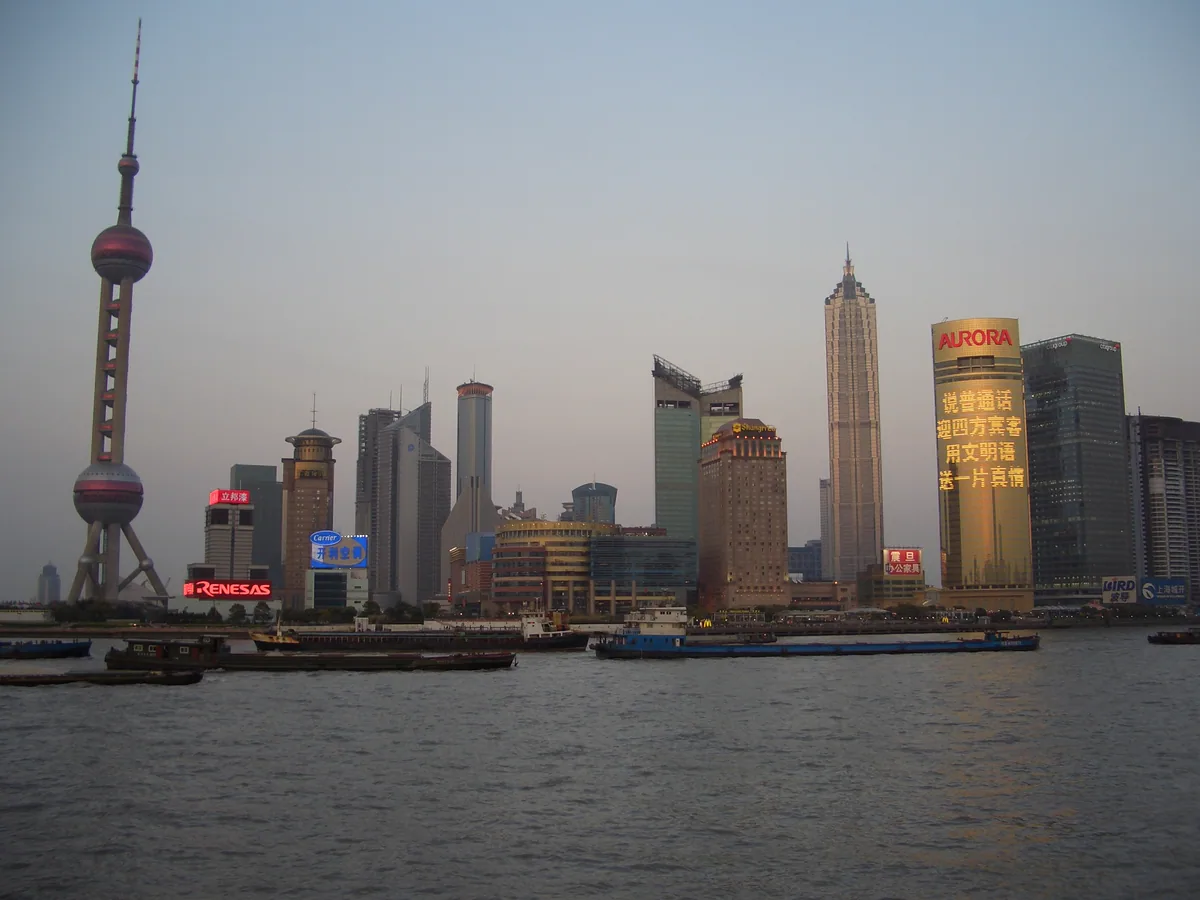
A focused first trip linking the Great Wall, imperial Beijing, the Terracotta Warriors and modern Shanghai.
Explore this itinerary11 days
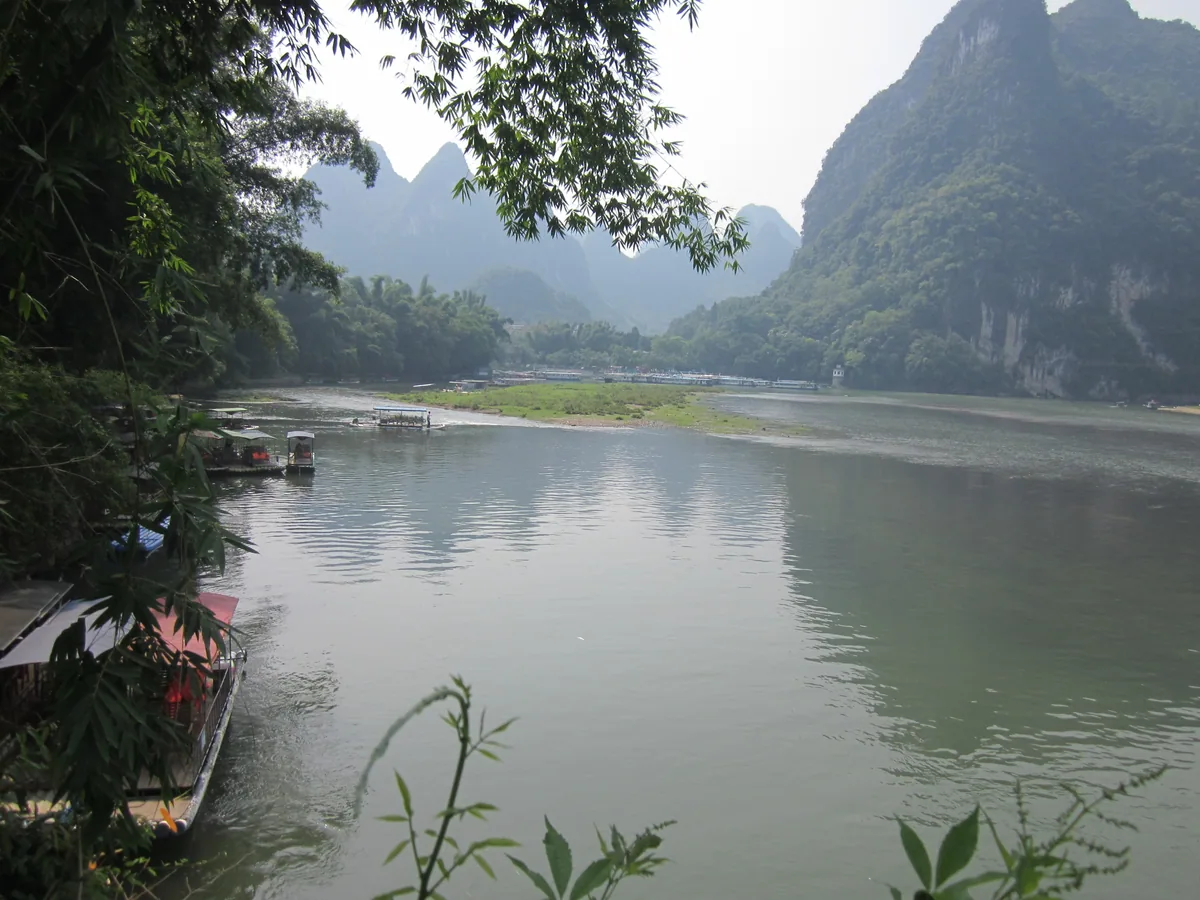
Adds Li River and Yangshuo scenery to the classic three-city route without turning every night into a transfer.
Explore this itinerary10 days
A southwest alternative through Kunming, Dali, Lijiang and Shangri-La for travelers prioritizing local culture and scenery.
Explore this itineraryChoose a private itinerary when dates, pace, hotel style or interests need to remain flexible. A small group can suit solo travelers and couples who prefer shared costs and fixed departures. Families should reduce early starts; older travelers should review walking, stairs and station transfers day by day.
Spring and autumn offer the broadest comfort across the classic cities. Summer is hot and busy but works for school holidays and highland regions. Winter can mean lower demand in many cities, while Harbin and snow routes are deliberate seasonal choices. Avoid treating one national weather summary as valid for every region.
These are the service details we can explain and confirm before you book.
Last reviewed September 11, 2026 by YunSky Travel's Kunming-based inbound planning team. Route examples are planning guidance, not a fixed quotation. Availability, transport schedules, entrance rules, permits and exact prices are reconfirmed for each inquiry. Travellers should compare inclusions, transfer time, walking level and cancellation terms before confirming any proposal.
Practical answers for choosing and planning China Tours.
Eight to fourteen days is a practical first-visit range. Eight days can cover Beijing, Xi'an and Shanghai; eleven to fourteen days allows Guilin, Chengdu, Yunnan or a cruise without compressing every stop.
April to May and September to October are broadly comfortable, but the best month depends on the route. Tibet, Xinjiang, Yunnan, Harbin and tropical south China follow different weather patterns.
The collection covers first-time visitors, returning travelers, couples, families, older travelers and interest-led groups. The correct choice depends more on pace, walking and transfer tolerance than on age alone.
Yes. Private routes can change destinations, nights, hotel level and activities. Fixed small-group departures offer less flexibility, so the operating date and core itinerary should be checked first.
The largest variables are hotel standard, number of privately guided days, domestic transport, included tickets, party size and season. Compare written inclusions rather than headline prices alone.
High-speed rail is efficient on many classic corridors; flights make sense for longer jumps such as east China to Yunnan or Xinjiang. Door-to-door time matters more than timetable time alone.
Confirm the exact hotels or category, room basis, guides, vehicles, rail or flight class, admissions, meals, free time, cancellation terms and any permit or entry conditions.
Start three to six months ahead for a complex private route, and earlier for major holidays, Tibet permits, limited-entry attractions or preferred small-group departures.