Your China & Yunnan Travel Experts

For a first Kunming–Dali–Lijiang trip, spring and autumn are useful seasons to compare. The best time to visit Yunnan still depends on the region: a Shangri-La stay, a Yuanyang terrace trip and a tropical Xishuangbanna journey need different date choices. Use this guide to choose a travel window, then open Yunnan weather by month for the particular month you are considering. Seasonal patterns are a starting point; check conditions for the actual outing before departure.
The decision here is the travel window: which months suit your chosen region, which seasonal trade-offs you can accept and how much flexibility your outdoor plans need. Start with the month comparison, then read the regional sections. If your holiday dates are fixed, use those sections to choose a compatible focus instead of searching for one best season for the whole province.

Use this shortlist to choose dates to investigate, then read the regional sections below. It describes broad planning tendencies rather than a forecast or a promise of clear views.
| Months | A route to consider | Main planning tradeoff |
|---|---|---|
| March–April | Kunming, Dali and Lijiang for a mixed town-and-landscape trip | Spring conditions vary; higher excursions still need separate preparation |
| May–June | A flexible northwest route with selected outdoor days | Build in alternatives as wetter weather becomes more relevant |
| July–August | A town-based trip with movable outdoor excursions | Rain and school-holiday demand can affect the preferred plan |
| September–October | Northwest towns and a carefully paced highland extension | Compare early and late dates; check holiday demand and actual conditions |
| November–February | A deliberate winter town trip, southern route or terrace-focused visit | Do not use southern temperatures to pack for northwest mornings |
If your main interest is flooded terraces, ask about the actual field conditions for your dates. For snow scenery, distinguish a distant mountain view from access to a particular visitor route. Consult the packing checklist once the itinerary and season are clear.
Yunnan contains several travel regions rather than one uniform climate. Locate your overnight stops on the Yunnan province map, then read the regional weather and climate guide. The table below is a starting point for choosing a journey, not a forecast or a guarantee of access.
| Travel period | A useful starting route | Main trade-off |
|---|---|---|
| March–May | Kunming, Dali and Lijiang for town, village and lake time | Early spring in the highlands differs from spring in town; check mountain conditions separately |
| June–August | A slower city-based trip with flexible outdoor days | Rain can change visibility, walks and road excursions; avoid a tightly fixed hiking circuit |
| September–November | The classic corridor, with a highland extension if local conditions suit | September can retain wet-season conditions; later autumn brings colder highland stays |
| December–February | A selective town route or a separate southern and terrace journey | Cold nights in the northwest and different conditions in the south require a route-specific plan |
If you are choosing between a mountain, lake and cultural journey, shortlist the Yunnan places that match your interests first. That prevents the common mistake of selecting a supposedly ideal month and then trying to make every region fit it.
Spring is worth considering when your main plans are old-town walks, villages and time around Erhai. Build the route around experiences that remain worthwhile without a distant mountain view. A clear afternoon might be used for the lake; a less settled day can focus on town streets, food and a scheduled cultural visit.
Do not treat a photograph of blossoms as a calendar. Flowering varies with location and conditions, and a short-lived display should be confirmed close to your trip. For a flexible base, compare the town and lakeside options in the Dali trip-planning guide.
Summer overlaps the wetter part of the year across much of the classic route. That does not mean it rains continuously or that a city trip has no value. It means a mountain panorama, an exposed walk and a long road excursion should not be three consecutive commitments with no alternatives.
For July or August, consider three or four nights in each main base instead of changing hotels every morning. You gain the option to rearrange a town day and an outdoor day, subject to booking conditions. Read the Lijiang planning guide to separate old-town time from excursions that need their own transport.
Autumn is another useful starting window, but September and November are different propositions. A September itinerary still needs a rain plan. Later in autumn, check overnight conditions carefully if you continue toward Shangri-La or choose a hotel with limited heating.
Check the public-holiday calendar for your specific year before paying for nonrefundable arrangements. Dates around major holidays can change the availability of rooms, transport and popular excursions. If your dates are fixed, a smaller route with more nights per stop reduces the number of bookings that must line up.
A winter visit can work for travelers interested in town walks, food and cultural visits who are prepared for cold periods. It should not be sold to yourself as a warm escape simply because Kunming is known as the Spring City. Daytime sunshine and comfortable room temperatures are separate questions.
Keep the first day manageable and choose accommodation around the activities you can realistically enjoy. The Kunming city-planning guide helps distinguish a city stay from an airport stop or a full excursion day.
Shangri-La introduces a highland setting, with a different balance of weather, walking and overnight comfort. If meadows and outdoor landscapes are central to your trip, compare late spring through autumn, then check the precise places involved. A broadly favorable season does not establish that a specific trail or scenic-area route is operating.
For a first highland stay, three nights can provide an arrival day and two usable days if your departure arrangements allow. This is an editorial pacing suggestion, not an assessment of individual suitability. Use the Shangri-La trip guide to choose the cultural and landscape stops before deciding how many days to add.
Jade Dragon Snow Mountain is a separate excursion from Lijiang town. Check the actual route, elevation, walking, weather and reservation arrangements in the Jade Dragon Snow Mountain planning guide, then confirm current operating information. A cable-car photograph does not show the entire visit or the effort involved.

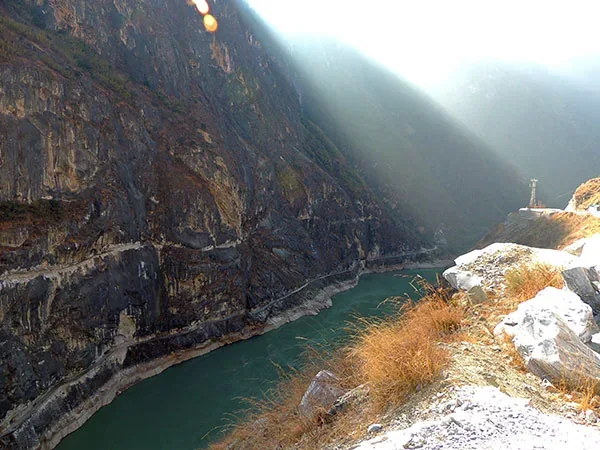
A gorge viewpoint and an overnight trek are also different seasonal decisions. The Tiger Leaping Gorge route guide introduces the area; use current local notices and the specific trail condition for a decision about hiking. Do not turn a poor-weather trekking day into an improvised alternative trail without checking it.
For reflective, water-filled terrace scenes, winter into early spring is a useful period to investigate. Green growing fields and harvest scenes offer a different experience. Agricultural timing, water management and conditions vary between areas, so request recent information about the particular terraces you hope to see.
Two or three nights give more opportunities for changing light than arriving for a single sunrise and leaving immediately. No length of stay guarantees a clear view. Build in village time and rest between early starts, and choose a base for the viewpoints you actually plan to use.
The Yuanyang rice-terrace guide provides geographic background. Confirm the current access and agricultural conditions before fixing your dates; an older photograph or timetable is not evidence of what will be available on arrival.

The tropical south should not inherit the packing list or daily rhythm of the northwest. Look at local heat and rainfall, the amount of shade on your outings and how much time you want outdoors. A southern stay can be an alternative to the highlands rather than an extra destination on an already full circuit.
Start with the Xishuangbanna destination guide if tropical landscapes and local cultural visits matter more to you than a classic three-city route. If a festival is the reason for traveling, confirm the current local programme and participation arrangements before booking; do not rely on a recurring calendar description.
Keep the replacement day in the same base. If your mountain excursion is unsuitable, a long last-minute drive to another mountain simply creates another weather-dependent plan. Choose activities that still interest you and check their opening or booking requirements.
| Original priority | Possible alternative | What to arrange first |
|---|---|---|
| Dali lake or mountain outing | A shorter town walk with a longer meal or covered stop | Local conditions, walking surfaces and easy return transport |
| Lijiang mountain day | A cultural venue or a limited old-town visit | Venue opening, reservations and the distance from your hotel |
| Kunming outdoor excursion | A city-based day with a tea-market visit | Market location and a transport plan that avoids unnecessary crossings |
| Yuanyang viewpoint session | Rest and a locally arranged village visit if conditions permit | Road access and permission for private or community spaces |
For a Kunming alternative, the tea-market guide explains the shopping context. Check transport changes as well as activity changes: the Yunnan transport guide shows why moving an excursion can affect a hotel transfer.
Once you have a seasonal shortlist, compare two possible date windows for the same route. Check whether a holiday or local event overlaps the places you want to visit, whether the experience that anchors the trip is expected to operate and whether alternative dates would change the pace you prefer. Confirm calendars and opening arrangements for the actual travel year.
Distinguish the seasonal pattern from the conditions of one day. Keep your preferred outdoor visit movable where possible, and check forecasts and local access information again close to departure. If a single festival, flowering period or agricultural scene is the main reason to travel, confirm its local timing before committing to dates.
If you are comparing the price of two date windows, use the travel-cost worksheet with the same rooms and services. Once the month and route are chosen, move to the regional and seasonal packing checklist.
April or October can be useful months to compare for a town-and-lake itinerary, after checking holiday dates and your chosen region. Treat that as a shortlist, then adjust for the experiences and accommodation that matter most to you.
Not automatically. A flexible town-based trip has different requirements from a fixed hiking or mountain-photography journey. Keep outdoor alternatives, check local conditions and avoid making one weather-dependent excursion the only reason for traveling.
It may be possible, but matching the terrace appearance you want with a comfortable highland trip requires separate checks. It also creates a longer regional journey. On limited time, select the experience you value more rather than assuming one month is ideal for both.
That depends on the route, room conditions and daily activities. A selective city itinerary or southern stay is a different proposition from highland excursions. Confirm room heating or cooling, walking demands and transport with the actual providers.
Do not make that a guarantee. Use the local forecast, current visibility and operating information for the specific excursion. A flexible day is more useful than relying on a fixed rule about the hour.
First confirm the event and official holiday dates for the relevant year. Then secure the transport and accommodation that the route depends on, checking change terms. A recurring festival name does not confirm the venue or visitor programme.
No. School breaks, holidays, room availability and your transport choices can outweigh a broad seasonal pattern. Compare complete quotations for your own dates rather than expecting a universal discount.
Note your preferred month, a second acceptable date window, the region that matters most and the outdoor experience you want to protect. If the dates cannot move, identify which part of the route can. The destination comparison helps narrow that choice; the trip-length guide shows how much spare time fits.
Choose a preferred month and, if possible, a second travel window. Note the regions and weather-sensitive experiences you care about most, then request a Yunnan itinerary for your preferred dates. Include how much your dates can move so the proposal can balance your priorities with seasonal conditions. Use What to Pack for Yunnan once your route and travel window are settled.
Editorial accountability
Hu Lei, CEO. The named owner is responsible for travel-planning accuracy and escalation of time-sensitive checks.
Yuntian Travel (Yunnan) Group is identified in its corporate profile as a licensed professional inbound travel service provider based in Kunming, China. Registration and travel-service documents can be requested before booking.
Page-specific references where cited, official destination, transport and entry notices, YUNSKY route-planning records, and direct provider confirmation before a booking is finalized.
Content is reviewed when rules, transport, access, pricing or route conditions change. Final availability and operating details are reconfirmed for each traveler’s dates.
Quality review: Page updated: