Your China & Yunnan Travel Experts

Lijiang, Yunnan is easier to plan when you separate time in the old towns from a mountain excursion or a gorge hike. Two nights can give you a cultural introduction; three nights allow one major outing and one town-focused day between arrival and departure. An overnight trek needs its own nights and luggage plan.
Begin with the Lijiang destination guide, then choose the experience you most want. Dayan, Shuhe and Baisha are different places with overlapping appeal, so visiting all three is a choice rather than a requirement. A short trip gains more from a clear purpose than from the longest list.
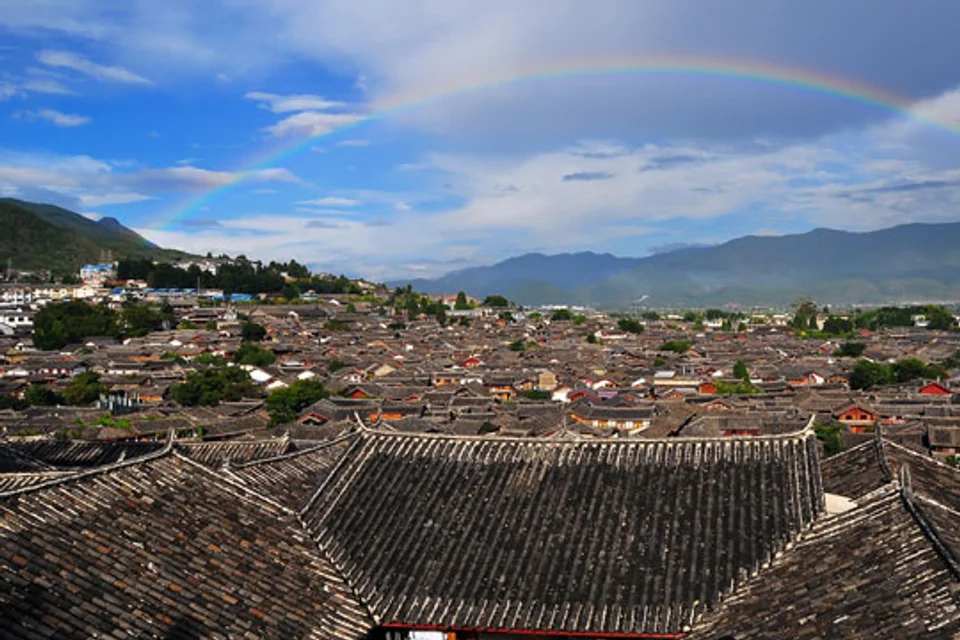
Choose Lijiang for its old-town setting, Naxi cultural context and access to selected mountain or gorge journeys. A concert, a museum visit and a village walk can explain different aspects of the place. None should be described as a complete representation of local life.
A mountain day usually has more transport, booking and weather dependencies than a town day. A high-trail hike adds walking demands and possibly another accommodation base. Make that distinction before reserving every night in the same hotel. The Yunnan attraction comparison helps decide whether Lijiang or another region best fits your priorities.
| Stay | Useful outline | What it leaves out |
|---|---|---|
| 2 days, 1 night | Arrival and a Dayan walk; a short cultural visit before departure if time permits | A full mountain excursion or overnight hike |
| 3 days, 2 nights | Arrival; one full cultural day or one major outing; departure | Doing both kinds of day at an unhurried pace |
| 4 days, 3 nights | Arrival; one town-and-culture day; one selected excursion; departure | A separate overnight trek unless you rearrange the stays |
For four days, put your town activities and excursion on the two full days in the order that reservations and conditions support. Do not count a departure morning twice by assigning it both a village visit and a long airport transfer. A late departure can create extra time, but only after its logistics are checked.
For an overnight gorge hike, a different four-day plan might use a Lijiang arrival night, a hiking night, then either a Lijiang return or an onward stay. That is a trekking-focused trip with less old-town time, not the same itinerary with a free extra activity.
| Base | Best reason to consider it | Main question |
|---|---|---|
| Dayan Old Town or its edge | First-visit lanes, meals and evening atmosphere | How far must luggage be carried, and what is the room's noise exposure? |
| Shuhe area | A stay centered on Shuhe and nearby northern outings | Which restaurants and vehicle access points serve the actual hotel? |
| Baisha-area property | A deliberate village-oriented stay | Are meals, transport and evening services convenient enough for your needs? |
| Modern-city or road-accessible hotel | Simple vehicle arrival and departure | How much travel does it add to the walks you want? |
Old-town paving, steps and vehicle restrictions can matter more than a small difference in nightly price. Ask the hotel for the Chinese name, a precise entrance and an agreed pickup point. Confirm assistance with luggage if it is needed; do not assume it is included.
Dayan is a useful first introduction to lanes, waterways and the visitor economy of Lijiang. Go with an interest in the town's layout, allow time to wander and expect parts to be commercial. A busy shopping street should not be your only evidence for how Naxi people live today.
Shuhe can be a separate walk or a base, depending on your route. Baisha makes more sense when you have a specific interest in cultural sites, art or a planned local encounter. Ask which venue is included, what interpretation is available and how much walking connects the stops.
For one cultural day, select a town walk and one substantial visit rather than move between three similar shopping lanes. Read the Naxi culture guide to choose your emphasis. The Dongba museum guide provides an alternative when learning matters more than taking another town photograph.
Jade Dragon Snow Mountain is a scenic-area visit with several possible routes and purchased components. Select the actual cable-car, valley or walking experience before making judgments about cost or effort. The highest visitor routes are very different from a town walk. Read the Jade Dragon Snow Mountain planning guide and ask what happens if the chosen component cannot operate.
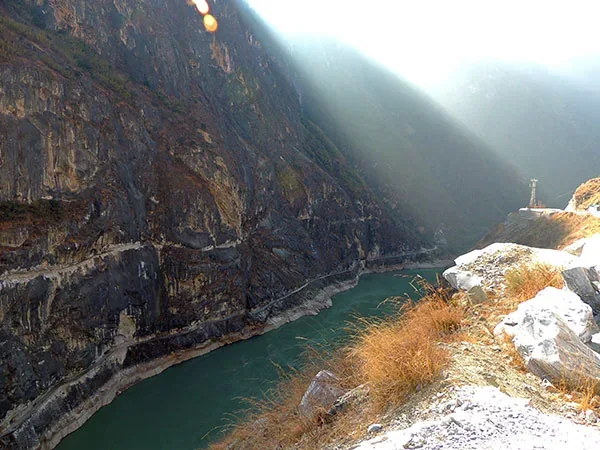
Tiger Leaping Gorge offers a different landscape and different visit formats. A viewpoint excursion is not the same as walking the high trail, and buying entry to one area does not resolve the arrangements for every other route. The gorge viewpoint and hiking guide separates these choices.
For most short stays, choose one major excursion. Do not join both attractions into a rushed day simply because they are associated with Lijiang. If hiking is the primary reason for the journey, begin with the Yunnan hiking guide and arrange the town stay around the selected walk.

A Naxi music performance can complement daytime cultural interpretation. Check the actual ensemble or program, venue, language of explanation and duration. A large staged spectacle and a focused instrumental concert offer different experiences; neither is an automatic substitute for the other.
Leave time for dinner and the return to your hotel. Uneven lanes and a late finish may matter for children or travelers who prefer early nights. Ask about photography and recording rather than assume that buying a ticket permits either.
For meals, use the regional food guide to ask specific ingredient questions. Travelers requiring halal preparation should plan the actual restaurant and excursion-day meal using the Muslim travel guide, not rely on a city-wide label.
Check the regional climate guide and then the forecast for the actual excursion location. A clear town morning does not establish mountain visibility or operation. Keep an alternative within Lijiang that your group would enjoy even if the mountain day changes.
Compare your hotel-to-hotel journey to Dali or Shangri-La, including the first and last transfers. If continuing through the gorge by road, establish luggage handling, the exact stops and the arrival time at the next hotel. Do not assume every sightseeing transfer follows the same itinerary.
Ask for a total that separates transport, guiding, admissions, internal shuttles, cable cars and optional performances. Compare costs for the same route and number of travelers. A cheaper headline excursion may include a different visitor area or leave out a necessary component; the budget comparison guide helps make this visible.
Three nights give two full days between arrival and departure. This can cover a cultural day and one selected excursion, with the two days arranged around conditions and reservations.
No single district guarantees a quiet room. Ask about the specific property's surroundings, nearby businesses and room position. Choose the area for your daily route as well as its atmosphere.
You may encounter uneven paving, steps and a walk from the vehicle meeting point. Ask the hotel for the exact route and assistance arrangements, especially with heavy luggage or limited mobility.
It is optional. A town, museum and cultural stay is a complete Lijiang visit if that matches your interests. Choose the mountain only after reviewing the route, elevation, effort and conditions.
A same-day viewpoint visit and a full high-trail hike are different proposals. Confirm the exact walking section, start, finish and transport before accepting a one-day description. An overnight itinerary is a separate planning choice.
Only if you allocate time to the separate journey and a meaningful stay there. Do not treat it as spare-time sightseeing after an already full Lijiang program; removing another stop may be necessary.
Use the 7, 10 and 14-day Yunnan itinerary guide to balance Lijiang with your other bases. Compare classic Yunnan tour ideas, or request a Lijiang itinerary around culture, mountains or hiking with the activities that matter most to your group.
Editorial accountability
Hu Lei, CEO. The named owner is responsible for travel-planning accuracy and escalation of time-sensitive checks.
Yuntian Travel (Yunnan) Group is identified in its corporate profile as a licensed professional inbound travel service provider based in Kunming, China. Registration and travel-service documents can be requested before booking.
Page-specific references where cited, official destination, transport and entry notices, YUNSKY route-planning records, and direct provider confirmation before a booking is finalized.
Content is reviewed when rules, transport, access, pricing or route conditions change. Final availability and operating details are reconfirmed for each traveler’s dates.
Quality review: Page updated: