Your China & Yunnan Travel Experts

Dali, Yunnan works best when you choose between a lake-and-village stay and a more active mountain visit before filling your days. Two nights give you one full day between arrival and departure; three nights give two. For a first stay, use that time for Old Town, one part of Erhai and, if it matters to you, either Xizhou or Cangshan. You do not need to circle the entire lake to understand the place.
Dali is a city as well as an old-town destination. A booking described simply as “Dali” may be in the modern urban area around Xiaguan, near the old town, or on a different shore of Erhai. Start with the Dali destination guide and locate your actual accommodation before arranging pickups.

Old Town gives you lanes, shops and meals within a compact visitor area. Erhai adds lake views and villages, but its shores are not one interchangeable hotel district. Cangshan brings a different mountain outing, with its own access, weather and walking questions. Xizhou is useful for a more focused look at Bai-area architecture and town life.
A family wanting unhurried mornings may value a convenient base and a short lakeside outing more than a full sightseeing circuit. A photographer may prefer repeat visits to one shore at different times. Travelers interested in culture should give a village or workshop enough time for explanation rather than use it as a quick photo stop. Read the Bai culture guide before choosing that part of the day.
These examples count arrival and departure as travel days. An early arrival or late departure may create extra usable time, but do not assume it until your tickets are fixed.
| Stay | Suggested sequence | Main trade-off |
|---|---|---|
| 2 days, 1 night | Arrive, explore Old Town; take a short local walk before departure | An introduction, with no full day for a major outing |
| 3 days, 2 nights | Arrival and Old Town; one focused Erhai-and-Xizhou day; departure | Leave Cangshan for another visit unless you replace the lake day |
| 4 days, 3 nights | Arrival; west-shore and Xizhou day; Cangshan or a slower cultural day; departure | More room for weather changes and a second interest |
For the three-day version, avoid scheduling a long sightseeing circuit before a departure you cannot miss. For the four-day version, keep the two full days interchangeable where reservations permit. If the mountain outing becomes unsuitable, a workshop, town walk or longer lunch is a useful alternative without another hotel move.
In a longer Yunnan itinerary, three Dali nights can be more valuable than adding a fourth city with just one night. Compare this allocation with your Lijiang stay, especially if both places are competing for the same village-and-old-town interest.
| Base | Why choose it | What to establish before booking |
|---|---|---|
| Old Town edge | Meals and evening walks with a potentially shorter luggage carry | Exact vehicle meeting point, lane surface and noise near the room |
| West-shore lakeside area | Lake-oriented mornings and selected nearby village outings | Restaurant access, pickup arrangement and distance to your chosen stops |
| East-shore location | A stay centered on that shore and its outlook | Extra journeys if most activities are on the west side |
| Xiaguan or modern urban area | A practical match for a specific arrival or departure | How much travel it adds to Old Town and lake sightseeing |
A lake-view photograph does not establish that you can walk along the shore directly outside the property. Ask about the actual entrance, route to the water, stairs and available meals. If quiet is important, request information about the individual room rather than assuming every courtyard or village hotel is peaceful.
Choose one side of the lake and two or three meaningful stops. A west-shore day might combine a selected lakeside stretch with Xizhou and a leisurely meal. Spending more time in fewer places makes it easier to stop for weather, interests and fatigue than following a long checklist of viewpoints.
Walking and cycling are different commitments. For cycling, confirm the exact permitted route, bicycle fit, surface, pickup and return arrangements. A full-lake ride should never be assumed to be the default family activity. A driver can connect selected points, but vehicle access may end before the waterside section you want to explore.
Count time outside the vehicle as well as road travel. Ask where the driver will wait and whether you return to the same point. The Yunnan transportation guide explains why a short line on a map does not describe the complete outing.
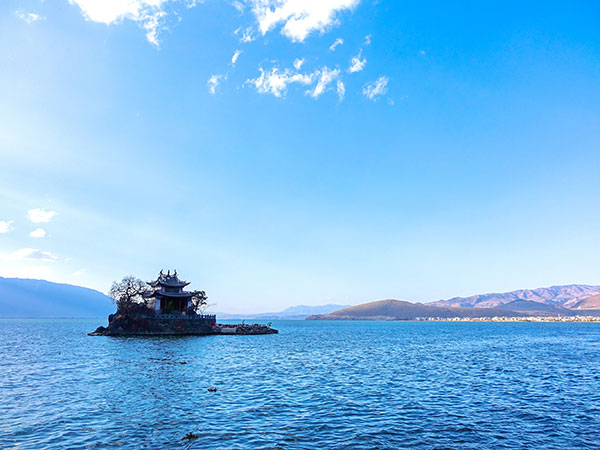
Choose Xizhou for courtyard architecture, streets and a closer look at a Bai-area town. A guide can help explain what you are seeing, but ask which houses or workshops are open to visitors and whether admission or an activity fee is separate. An attractive doorway may be a private home.
If tie-dye interests you, compare a demonstration with a hands-on session before committing. Ask what you make, how long it takes, whether drying affects collection and what the total includes. Do not combine every available craft stop simply because they share a regional label.
For lunch, the Yunnan food guide helps distinguish a dish's ingredients from its name. Ask about dairy, meat stock and cooking method when these affect your choices. Build meal time into the visit rather than fitting it between two distant appointments.
Choose Cangshan because the selected mountain experience is a priority. Establish the actual cable-car or walking route, its elevation, steps, operating conditions and return plan. Different mountain routes are not interchangeable tickets, and the town forecast does not describe conditions higher up.
If your group prefers moderate walking, ask for an itinerary expressed in walking distance, ascent and surfaces. Do not rely on “easy” as a sufficient description. The Yunnan hiking comparison and altitude planning guide help frame these questions without assuming suitability for everyone.
You can also use the extra day for a quiet morning, a longer cultural visit and time by the lake. This is particularly useful when Dali sits between two travel days. The best-time guide provides seasonal context; your actual outing still depends on local conditions.
Choose the correct Dali station or airport and give your hotel the arrival details. An onward journey begins at the room, including packing and pickup, not when the train departs. Avoid a final lakeside stop that sends you away from the departure direction.
For a paid outing, request separate figures for the vehicle, guide, admissions, internal transport and optional activity. Compare the same number of travelers and the same pickup point. The Yunnan budget guide shows how shared transport and per-person charges affect the total.
The most common avoidable mistake is changing hotels around the lake for a short stay. Another is putting Xizhou, a long shore circuit and a mountain route into one day. Keep one main purpose per full day and leave space for meals and unscheduled time.
Two nights give one full day and portions of two travel days. That works for Old Town and a focused lake-and-village outing. Add a night if you want Cangshan as a separate experience or prefer slower mornings.
No. A convenient Old Town-edge hotel may better match evening meals and a short stay. Choose a lakeside room when spending time at that property and shore is part of the trip, after checking access and meals.
It is possible to split the time, but arrival, the city change and departure leave little uninterrupted sightseeing. Consider one base if your four days also include flights, or add nights for two distinct stays.
It offers a different town setting and a useful Bai cultural focus. For a short stay, combine a limited Old Town walk with a more purposeful Xizhou visit rather than expect identical experiences from both.
Only if the journey itself and the selected stops justify the time. A focused shore outing often gives more time outside the car. Ask for the exact sequence before comparing prices.
Give your available nights, arrival and departure points, preferred hotel setting, walking tolerance and whether the priority is lake scenery, culture or mountains. Include meal requirements and the activities you are happy to omit.
Compare classic Yunnan itineraries for the allocation of Dali nights and the onward direction. If you prefer longer stays and fewer stops, request a route with time around Dali and Erhai, including your preferred pace and hotel setting.
Editorial accountability
Hu Lei, CEO. The named owner is responsible for travel-planning accuracy and escalation of time-sensitive checks.
Yuntian Travel (Yunnan) Group is identified in its corporate profile as a licensed professional inbound travel service provider based in Kunming, China. Registration and travel-service documents can be requested before booking.
Page-specific references where cited, official destination, transport and entry notices, YUNSKY route-planning records, and direct provider confirmation before a booking is finalized.
Content is reviewed when rules, transport, access, pricing or route conditions change. Final availability and operating details are reconfirmed for each traveler’s dates.
Quality review: Page updated: