
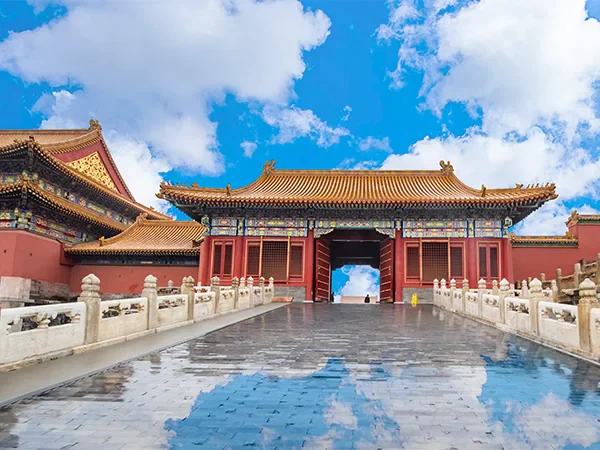
Beijing, Zhengzhou, Kaifeng, Luoyang, Xi'an, Shanghai
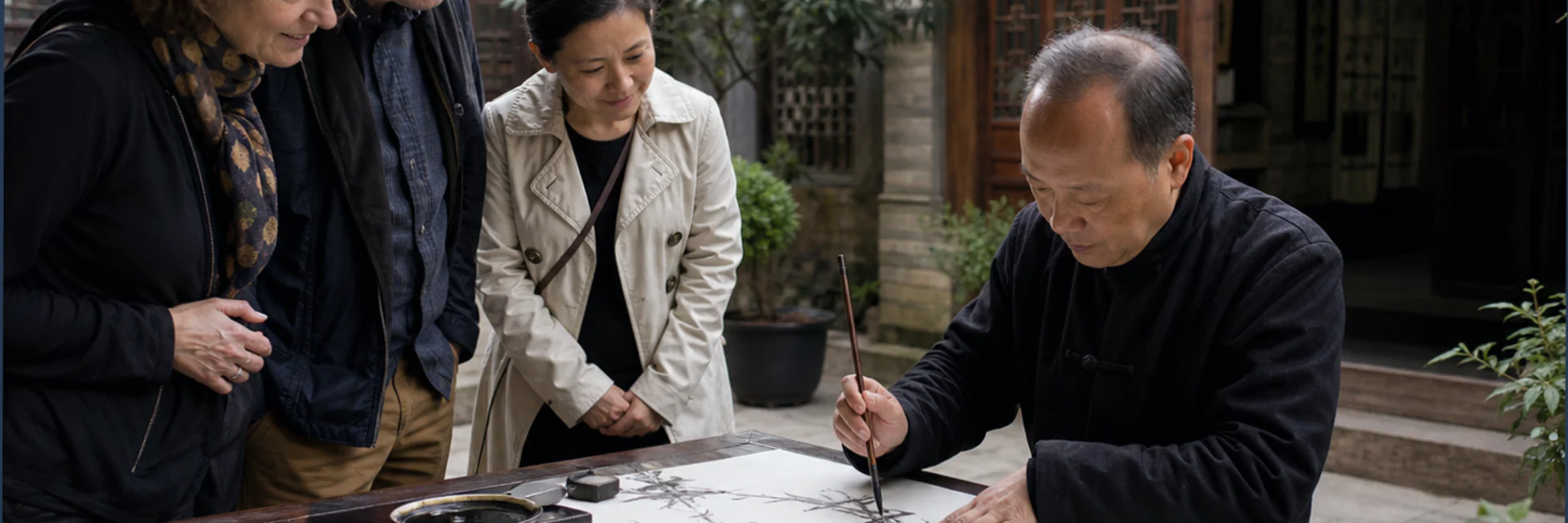
China Culture Tours
Private journeys through ancient capitals, architecture, temples, museums and living traditions
China Culture Tours
Explore China through its imperial capitals, archaeological sites, sacred places, historic towns and living cultural traditions. These sample itineraries protect time for interpretation and can be adjusted around the period, architecture, religion, art or craft that matters most to you.
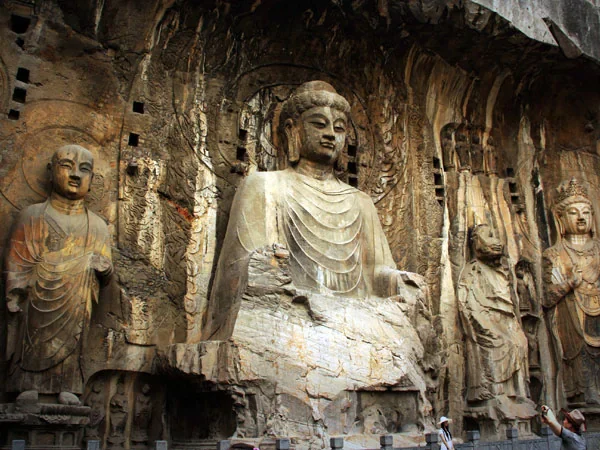
Beijing, Luoyang, Xi'an, Shanghai
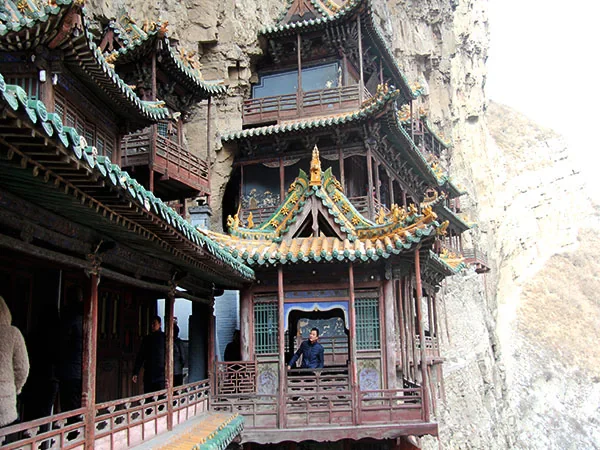
Beijing, Datong, Pingyao, Xi'an, Shanghai
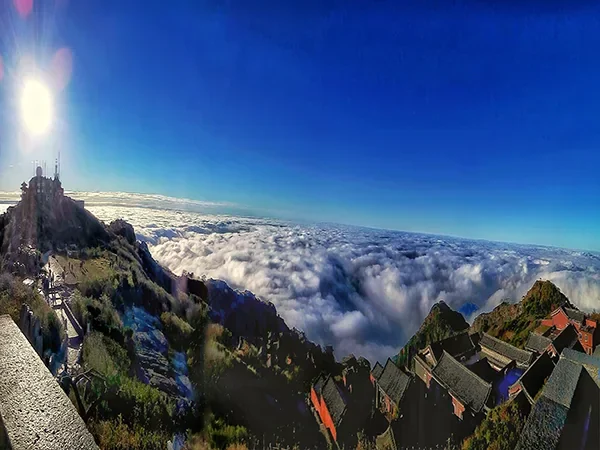
Jinan, Mt. Taishan, Qufu
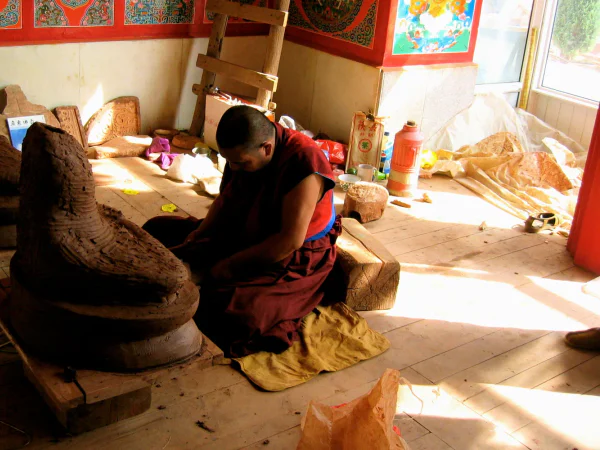
Xining, Tongren, Regong cultural region
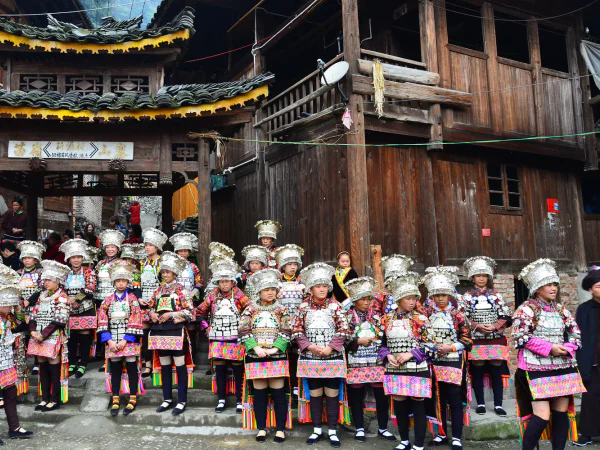
Guiyang, Kaili and festival villages
Top China Destinations

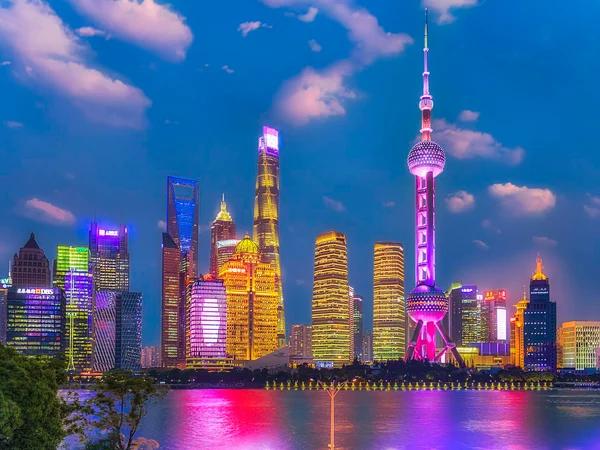
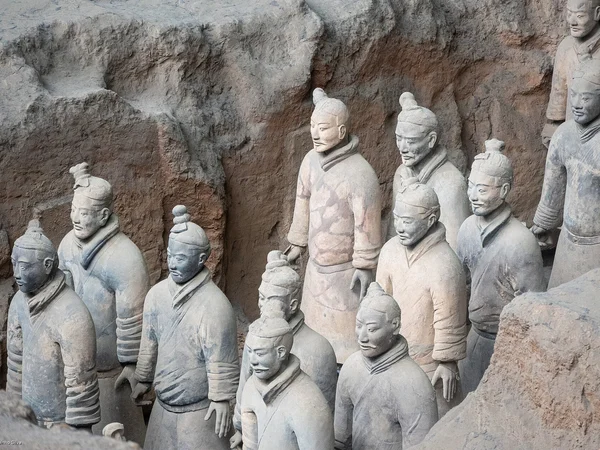


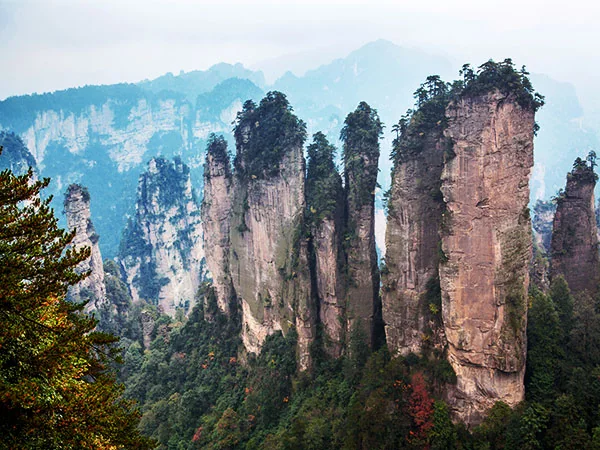
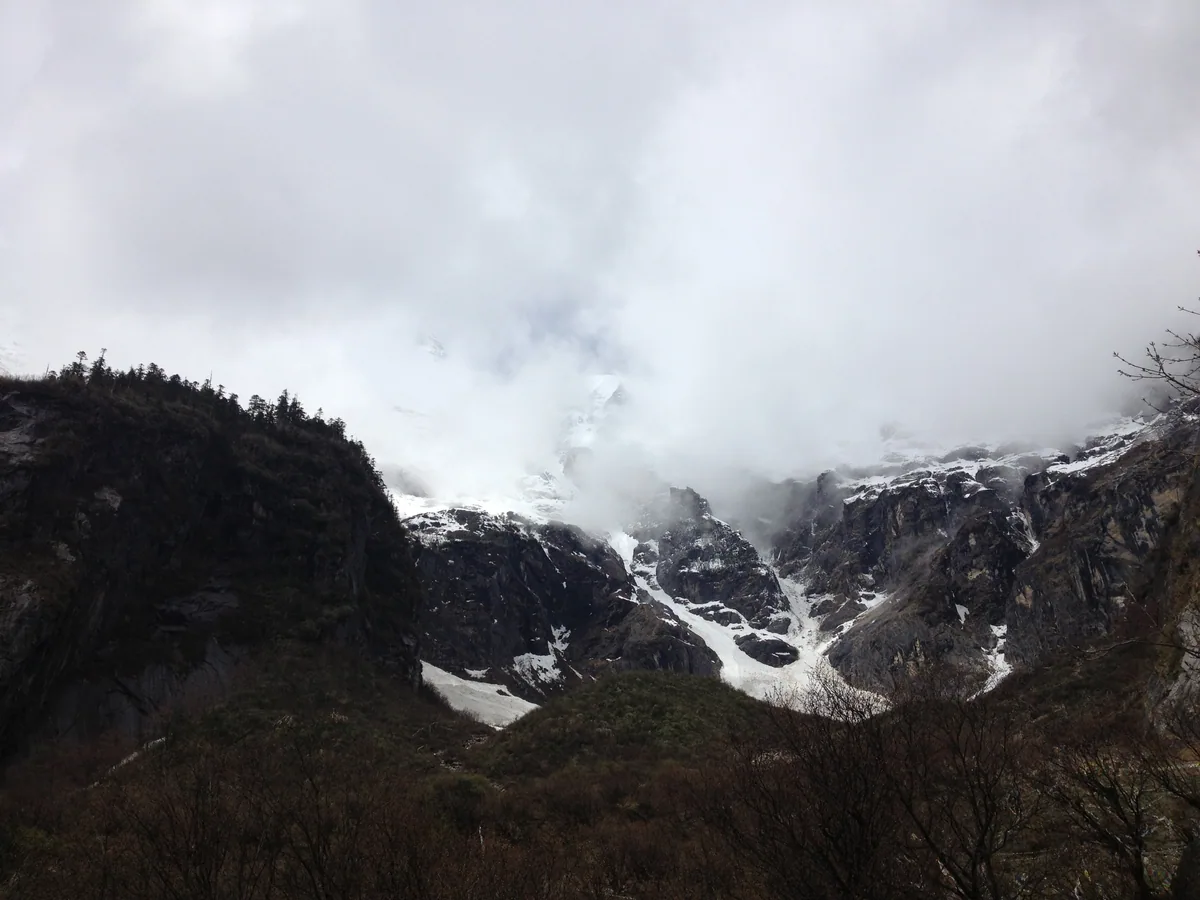


Tailor-made Your Trip
Free itinerary design and a personalized quote for your dates, interests and travel pace.
China cultural route planning
Choose a cultural question, not only a list of monuments
China cultural tours can examine imperial capitals, archaeology, religious traditions, art, architecture, regional food or living community practices. Beijing and Xi'an form the clearest first historical spine, while Luoyang, Dengfeng, Qufu, Chengdu, Yunnan or Tibet add different periods and traditions. The route is more useful when each extension answers a specific interest instead of repeating the word heritage at every stop.
Museums, temples, historic neighborhoods and public performances all have different access and interpretation needs. Opening arrangements, timed entry, closed galleries and event schedules can change. A credible itinerary leaves time to read, discuss and revisit context, distinguishes living worship from visitor access, and does not invent private ceremonies or expert meetings that have not been arranged.
What this collection helps you compare
A clear historical thread
The selected cities and sites support one cultural focus rather than an unrelated national checklist.
Interpretation receives time
Museums, heritage sites and neighborhoods are not compressed between flights and shopping stops.
Living traditions respected
Temple, community and performance access is described according to current public or arranged conditions.
Claims stay specific
The plan distinguishes original fabric, reconstruction, legend and modern visitor presentation.
Compare three route styles
11 days
China Cultural Foundations
- Route
- Beijing · Xi'an · Luoyang · Shanghai
- Best for
- First-time cultural travelers wanting imperial, archaeological and religious history.
- Why choose it
- Builds a chronological and regional narrative instead of relying only on the standard three-city route.
9 days
China Cultural Experience
- Route
- Beijing · Xi'an · Regional cultural stops
- Best for
- Travelers wanting a concise route with selected hands-on or interpretive experiences.
- Why choose it
- Balances major landmarks with currently arranged cultural activities and enough time to understand them.
5 days
Cultural Tibet Focus
- Route
- Lhasa · Selected monastery and heritage visits
- Best for
- Travelers choosing one regional cultural journey and prepared for current entry arrangements.
- Why choose it
- Provides a focused alternative to a broad national circuit and requires respectful highland pacing.
How to choose
Your situation
You want a first national history route
Best starting choice
Use Beijing and Xi'an, adding Luoyang only with enough days for its distinct role.
Tradeoff to accept
More capitals create more transport and can reduce museum and neighborhood time.
Your situation
You prefer living traditions and food
Best starting choice
Choose one or two regions and protect time for markets, workshops or performance context.
Tradeoff to accept
Arranged experiences depend on current hosts and should not be treated as universal daily access.
Your situation
You want one deep regional culture
Best starting choice
Choose a focused Tibet, Yunnan or another regional journey.
Tradeoff to accept
You see fewer national icons but gain a more coherent local narrative.
Timing and transport
Recommended duration
9–12 days for a multi-city cultural route
Five days works for a focused region, while a national history route needs time for major sites and interpretation.
Season planning
Access and holidays matter alongside weather
Museum schedules, public holidays, worship, major events and local climate affect the actual visit pattern.
Transport rhythm
Use rail to protect city time
Efficient intercity links help, but station access and hotel changes should not replace the interpretation day.
What changes the price?
- Number of cities and specialist guide days
- Hotel category and historic-center location
- Rail or flight class
- Included performances, workshops or special arrangements
- Major-ticket demand, party size and holiday dates
How YunSky checks the plan
YunSky builds cultural routes around a stated historical or regional focus and confirms access rather than promising generic authenticity.
- Route purpose: The traveler's historical, artistic or living-culture interest determines the cities and site sequence.
- Usable time: Major museums, heritage areas and discussion time receive full days separate from long transport.
- Date-specific checks: Opening arrangements, timed tickets, hosts, performance schedules and visitor rules are reviewed.
- Written trip scope: Guides, tickets, workshops, performances, free time and anything conditional are identified in writing.
Tailor-made inquiry
Tell us the history or tradition that should lead the route
Share your dates and whether you value archaeology, art, religion, architecture, food or living community context. We will build one coherent cultural journey.
Content reviewed September 19, 2026 by YunSky Travel's inbound planning team. Routes are planning examples, not fixed quotations or guarantees. Hotels, guides, transport, tickets, current access, weather-sensitive activities and exact prices are reconfirmed for the requested dates.