Your China & Yunnan Travel Experts

Chinese cuisine is a network of regional food traditions rather than one national menu. Climate, agriculture, migration, trade, preservation methods and local taste all shape what appears on the table. The familiar “Eight Great Cuisines”—Anhui, Cantonese, Fujian, Hunan, Jiangsu, Shandong, Sichuan and Zhejiang—are a useful historical framework, but they do not contain every Chinese food culture. Beijing imperial and popular cooking, northwestern wheat dishes, Yunnan ingredients, Muslim cuisines and the foodways of many ethnic communities add important perspectives.
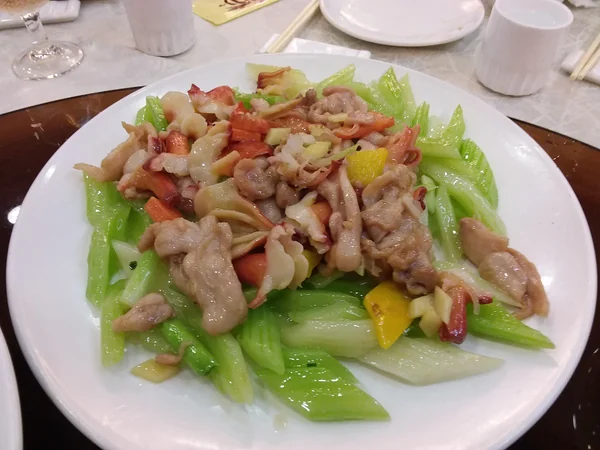
How to plan a meal: Chinese restaurant dishes are commonly shared, so combine contrasting cooking methods and textures instead of ordering one large dish per person. A balanced table might include vegetables, a protein, a soup or staple and a regional specialty. Ask whether rice arrives automatically; in some restaurants it is ordered separately or served later. If you have allergies, carry a clearly translated written explanation and confirm sauces, broths and cooking oils—removing a visible ingredient does not remove cross-contact or a seasoning already used.
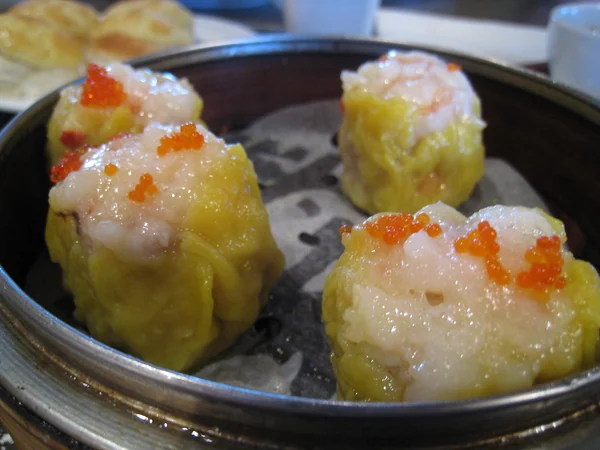
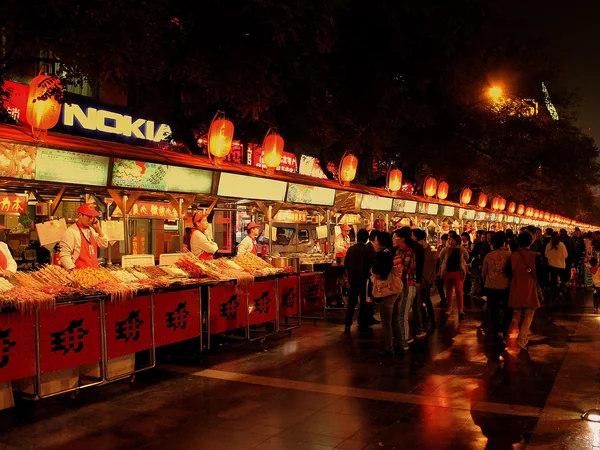
Choose food by destination: Cantonese dim sum is best understood through a morning or lunch service; Sichuan food is broader than heat alone and uses layered aromas and techniques; Jiangsu and Zhejiang traditions often highlight seasonal ingredients and careful knife work; Fujian cooking is known for soups and coastal influences. For practical tasting routes, compare a Shanghai night food walk, a Beijing evening food tour, or the regional focus of a Chaoshan food tour. Each works because the dishes, neighborhoods and travel sequence belong together.
Food safety and etiquette: Choose busy, clean establishments, drink water from a safe source, and use serving utensils where provided. Dietary rules and table manners vary by household and region, so observe your hosts rather than relying on rigid lists. Tea is both a daily drink and a social practice with highly regional production traditions. The cards below preserve the page's cuisine-by-cuisine structure and lead to deeper guides without repeating the same overview.