Your China & Yunnan Travel Experts



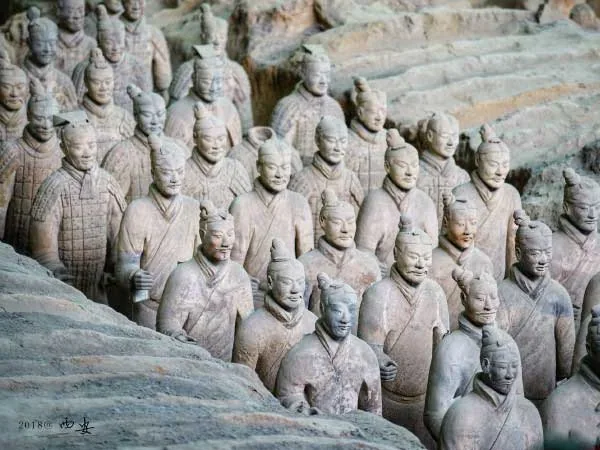
Archaeology, agricultural texts, medical writing, menus, paintings and literary descriptions all provide evidence, but they answer different questions. A dish sold today under a dynastic name may be inspired by historic ingredients or presentation without reproducing an exact ancient recipe. Travelers should enjoy reconstructions as interpretation when the restaurant or museum clearly explains its sources.
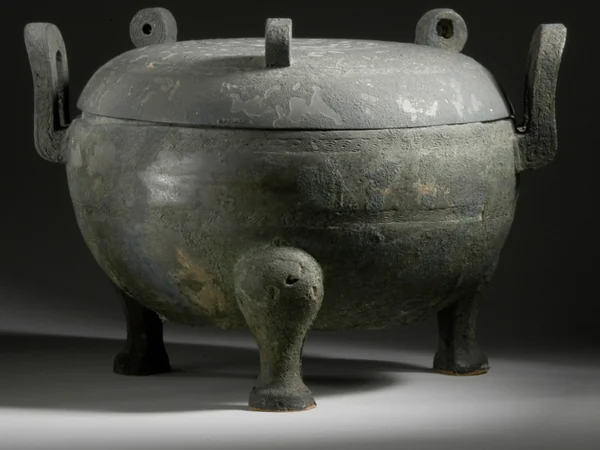
During the Zhou period, millet and other grains remained central in northern China, while rice had greater importance farther south. Bronze ritual vessels reveal elite ceremonial dining, but they do not describe ordinary meals on their own. Meat, fish, vegetables, fermented seasonings and salt were used in different settings. Later texts associated with Zhou institutions describe ranked foods and banquet order; scholars must still distinguish when those texts were compiled from the period they portray.
Qin unification connected territories with different crops and food practices, yet surviving evidence does not support a single standardized “Qin cuisine.” Excavated manuscripts and material remains help identify ingredients, storage and administrative supply. Sour agents, fermented bean products, aromatics and preserved foods were part of ancient cooking, but modern menu claims about an exact imperial recipe should be treated cautiously unless a source is given.
Han expansion and long-distance exchange widened access to products and culinary knowledge. Sesame, grapes, pomegranates and walnuts are among foods associated with routes linking China and Central Asia, although their adoption occurred at different times and places. The Silk Road was a network, not a single delivery route, and imported crops did not instantly become everyday food across the empire.
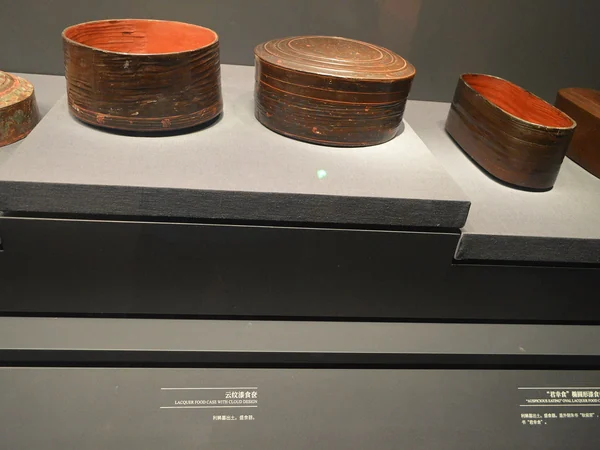
Excavated texts such as those from Mawangdui offer unusually detailed evidence of ingredients and preparations in elite contexts. Later agricultural works, including the sixth-century Qimin Yaoshu, recorded farming and food techniques from a different period. Buddhism also supported vegetarian traditions, but abstention practices varied. These sources show change across centuries; they should not be collapsed into one continuous Han recipe book.
Tang cities, especially Chang'an, brought court, market and foreign influences into close contact. Banquets, pastries, wine, tea and foods from connected regions appear in art and writing. Cosmopolitan exchange mattered, but access depended on wealth and location. A modern “Tang banquet” is best understood as a curated performance unless its individual dishes are tied transparently to evidence.
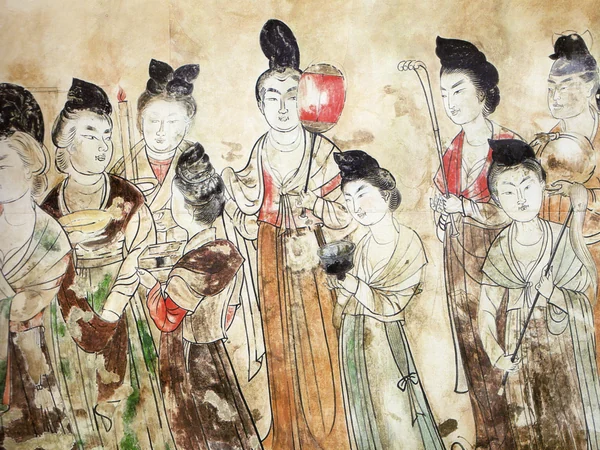
Tang-period court figures preserved in historic artwork
Suggested food-focused route: China food and culinary tours
Editorial accountability
Hu Lei, CEO. The named owner is responsible for travel-planning accuracy and escalation of time-sensitive checks.
Yuntian Travel (Yunnan) Group is identified in its corporate profile as a licensed professional inbound travel service provider based in Kunming, China. Registration and travel-service documents can be requested before booking.
Page-specific references where cited, official destination, transport and entry notices, YUNSKY route-planning records, and direct provider confirmation before a booking is finalized.
Content is reviewed when rules, transport, access, pricing or route conditions change. Final availability and operating details are reconfirmed for each traveler’s dates.
Quality review: Page updated: