Your China & Yunnan Travel Experts


Traditional Chinese musical instruments are best understood through sound, ensemble and region, not as a cabinet of exotic objects. Instruments may be grouped by how sound is produced—plucked and bowed strings, winds and free reeds, drums and other percussion—while older classification systems also considered materials such as silk, bamboo, metal, stone, wood, gourd, clay and hide. Names can refer to an instrument family rather than one standardized modern model.
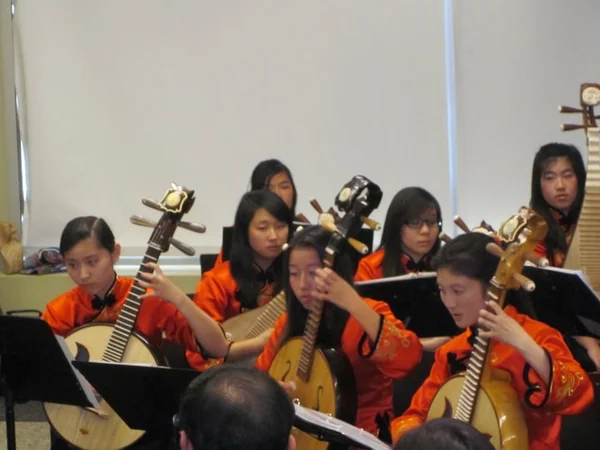
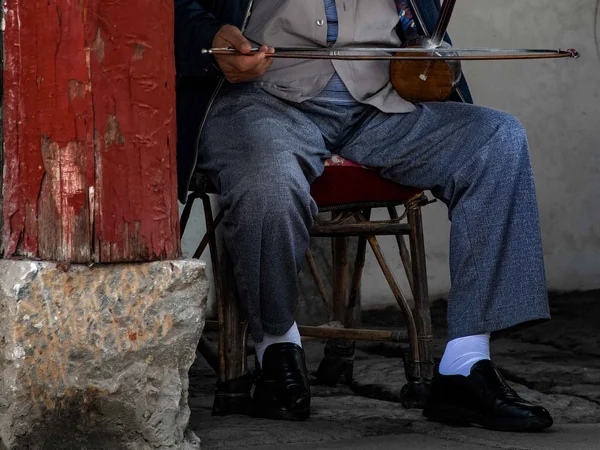
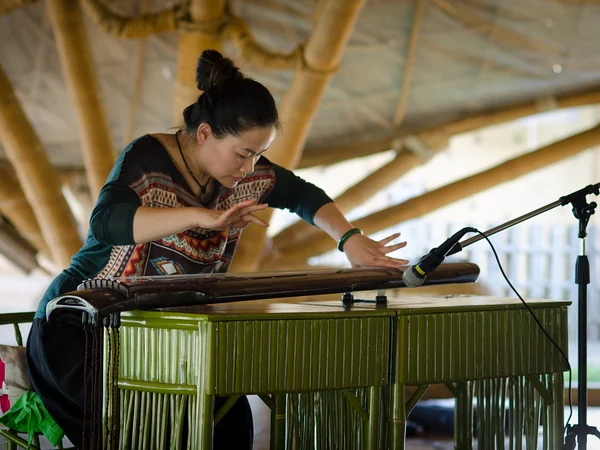
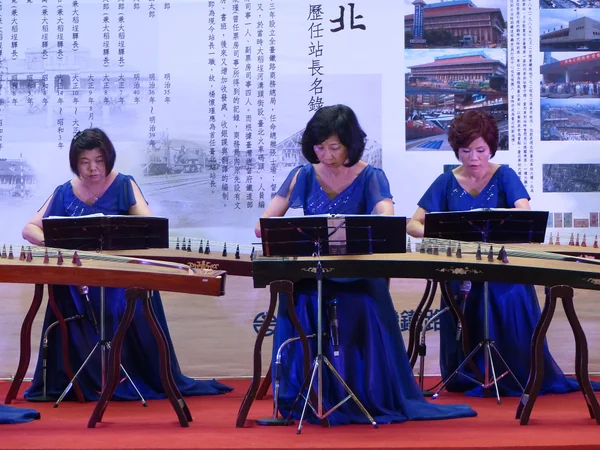
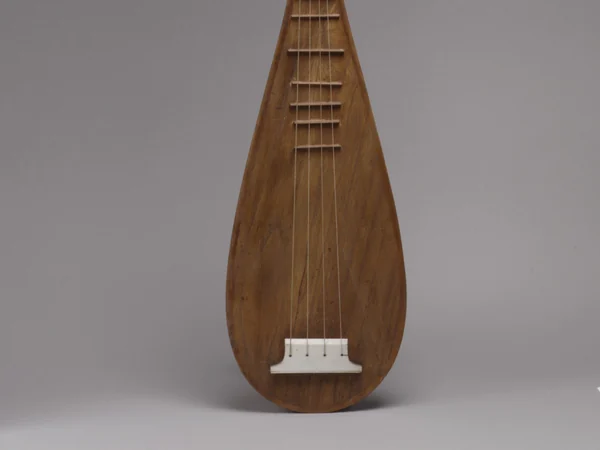
Strings: The seven-string guqin is a quiet solo zither with open, stopped and harmonic tones; UNESCO describes its close connection with Chinese intellectual history and the traditional arts of calligraphy, painting and chess. It should not be confused with the larger, bridge-supported guzheng. The pipa is a pear-shaped plucked lute used in solo and ensemble repertories, while the erhu is a bowed two-string instrument whose tone changes through left-hand pressure and bow control.
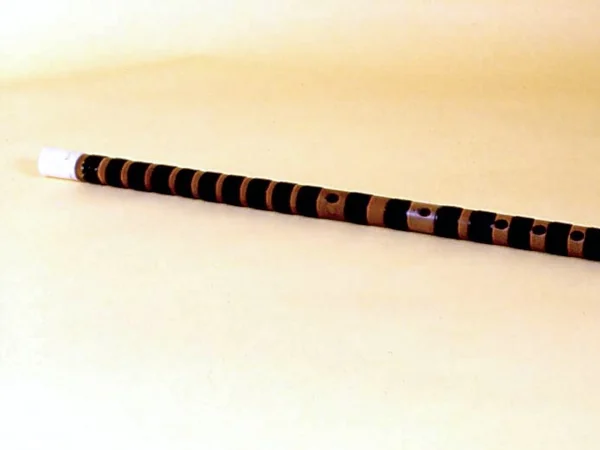
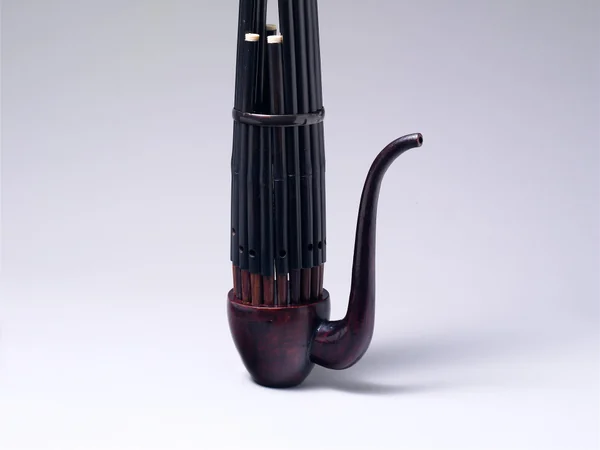
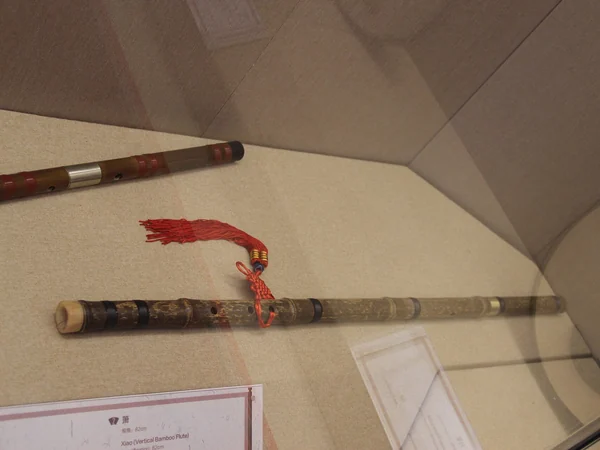
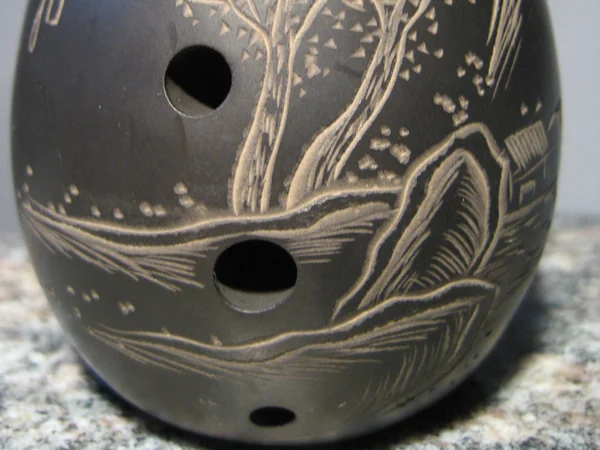
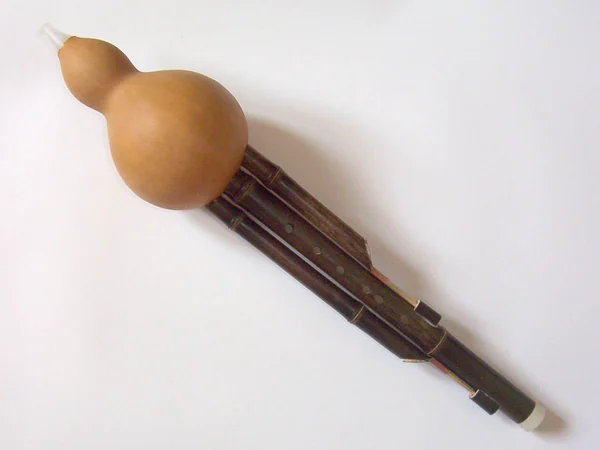
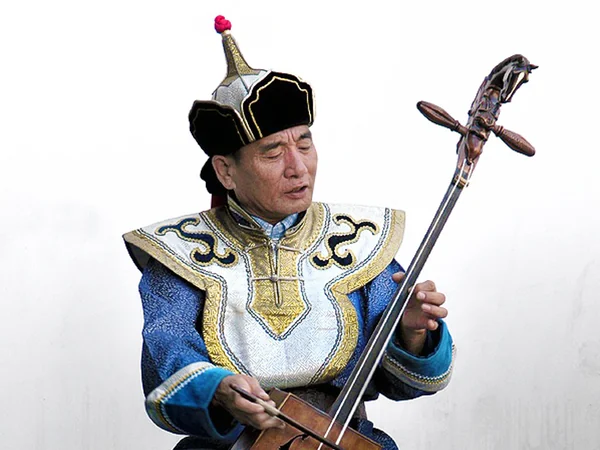
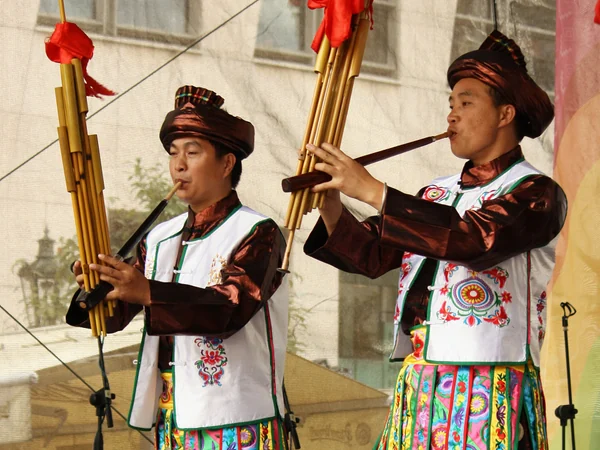
Winds and reeds: The transverse dizi and vertical xiao are both bamboo flutes but differ in construction, posture and sound. The sheng is a free-reed mouth organ, the suona a powerful double-reed instrument, and the xun a vessel flute. Hulusi is strongly associated with southwestern traditions, while lusheng ensembles are important in parts of Guizhou and neighboring regions. The morin khuur and dombra connect with Mongolian and Kazakh musical cultures and should not be flattened into a single generic “Chinese orchestra.”
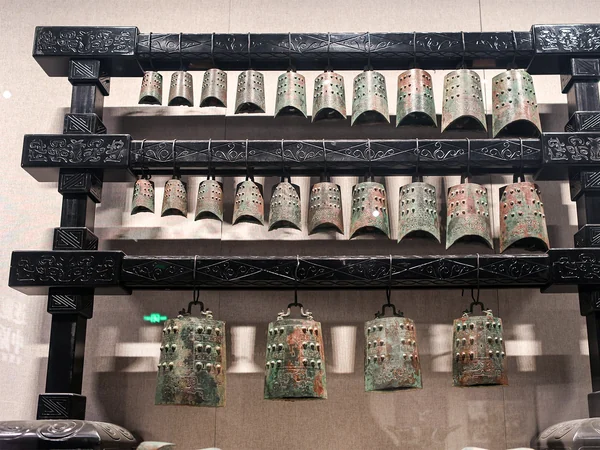
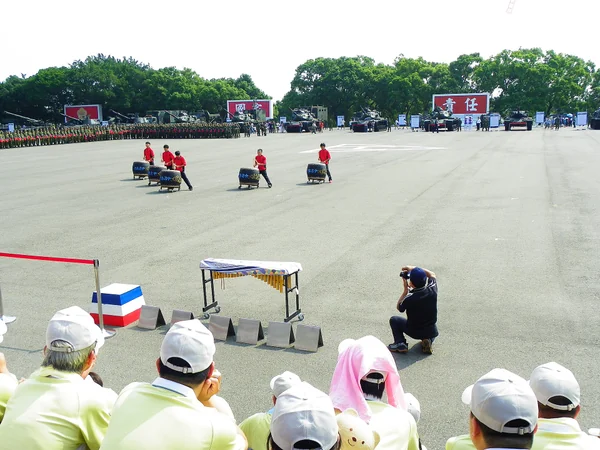
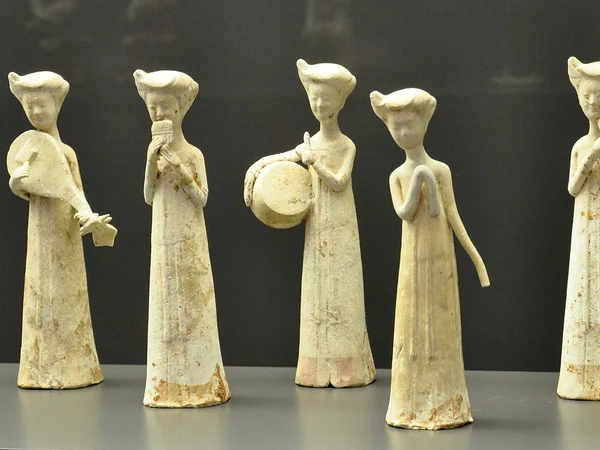
Percussion and ensembles: Bronze bianzhong reveal ancient systems of tuned bells, while drums remain central to ritual, opera, festival and stage performance. UNESCO's description of Xi'an wind and percussion music shows how temple fairs, religious occasions, local repertory and master–apprentice transmission connect instruments to community life. Xi'an offers useful museum and performance context, Guizhou is relevant for lusheng traditions, and Inner Mongolia provides a more appropriate regional frame for Mongolian music.
For a live event, confirm whether it is a solo recital, opera orchestra, folk ensemble or modern concert. Arrive early, follow recording rules and listen for how instruments interact rather than judging them only by appearance. The linked cards below retain the original sequence from bronze chimes through winds, strings, drums and regional instruments.
Editorial accountability
Hu Lei, CEO. The named owner is responsible for travel-planning accuracy and escalation of time-sensitive checks.
Yuntian Travel (Yunnan) Group is identified in its corporate profile as a licensed professional inbound travel service provider based in Kunming, China. Registration and travel-service documents can be requested before booking.
Page-specific references where cited, official destination, transport and entry notices, YUNSKY route-planning records, and direct provider confirmation before a booking is finalized.
Content is reviewed when rules, transport, access, pricing or route conditions change. Final availability and operating details are reconfirmed for each traveler’s dates.
Quality review: Page updated: