Your China & Yunnan Travel Experts


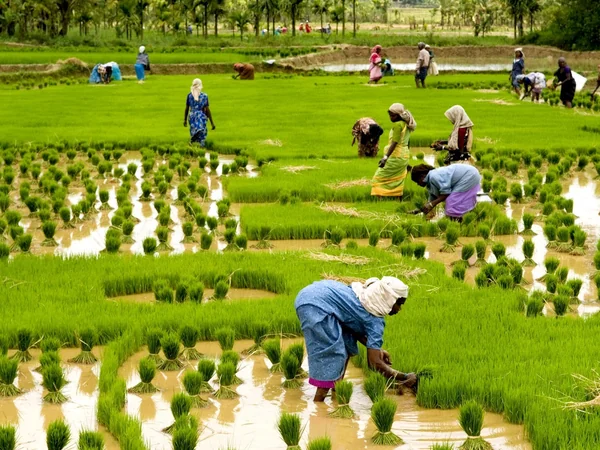
The Chinese agricultural calendar, commonly called Nónglì, is a lunisolar system rather than a purely lunar farmers' timetable. Months begin with the new moon, while solar observations keep the year connected to the seasons. That combination supported agricultural planning and still structures many festivals, family dates and cultural references. Older English sources sometimes translate Nónglì as “farmer calendar,” but modern readers should understand it as a complete traditional calendar. It should not replace a local weather forecast: China's landscapes and climates are too varied for one seasonal label to describe every destination.
Because 12 lunar months are shorter than a tropical year, the calendar periodically adds a leap month. Solar terms help determine its placement, keeping traditional months from drifting indefinitely through the seasons. A leap month repeats the preceding month number; it is not a fixed thirteenth month and does not occur on a simple four-year pattern. Travelers therefore need a year-specific conversion when arranging a festival trip, ceremony or family visit. The Chinese lunar calendar guide explains months and leap years in more detail.
The familiar 12-animal zodiac is a year-naming cycle used with the traditional calendar, but it does not determine the calendar's astronomy. Zodiac signs are cultural identifiers, not evidence-based personality or fortune predictions. Zodiac-year boundaries can also be described differently in popular astrology, so use the first day of the lunar year when discussing festival dates and identify the convention if a source uses another boundary. For public closures, consult the Chinese public-holiday calendar, because cultural observance and statutory leave are different systems.

The 24 terms divide the Sun's annual path into equal segments and preserve seasonal knowledge about temperature, rainfall, crops and ecological change. Major and minor terms alternate, and the absence of a major term helps identify a leap lunar month. Read the complete 24 solar terms guide for every name and its approximate Gregorian timing. Use those terms to understand museum displays, food traditions and festival language, while confirming current opening hours, climate conditions and local event schedules separately. When a menu or exhibition refers to a solar term, it usually signals seasonal context rather than a legally defined holiday. A seasonal term describes a relationship between calendar and environment; it does not guarantee blossom, snow or harvest conditions on the same day in every province.
Editorial accountability
Hu Lei, CEO. The named owner is responsible for travel-planning accuracy and escalation of time-sensitive checks.
Yuntian Travel (Yunnan) Group is identified in its corporate profile as a licensed professional inbound travel service provider based in Kunming, China. Registration and travel-service documents can be requested before booking.
Page-specific references where cited, official destination, transport and entry notices, YUNSKY route-planning records, and direct provider confirmation before a booking is finalized.
Content is reviewed when rules, transport, access, pricing or route conditions change. Final availability and operating details are reconfirmed for each traveler’s dates.
Quality review: Page updated: