Your China & Yunnan Travel Experts


Chinese tea culture connects agriculture, craft, trade and hospitality rather than referring to one drink or ceremony. Climate and processing shape regional styles: green tea is closely associated with areas such as Zhejiang and Anhui, oolong with Fujian and Guangdong, dark tea with several inland traditions, and Pu'er with Yunnan. UNESCO inscribed China's traditional tea-processing techniques and associated social practices in 2022, recognizing knowledge across six principal tea categories and reprocessed teas.
Tea drinking developed over many centuries. Tang-period writing, including Lu Yu's Classic of Tea, helped systematize knowledge, while Song tastes encouraged powdered-tea practices and later Ming preferences supported wider use of loose leaves. Today's cup may reflect historical change, modern production and local habit at once; it should not be described as an untouched custom from a single dynasty.
Travelers can use the guide to Chinese tea types to distinguish processing categories before shopping. Famous names such as Longjing, Tieguanyin and Pu'er identify different places, materials and methods, not interchangeable grades. Origin, harvest, cultivar, storage and producer all matter, so a high price or elaborate package alone does not establish quality.
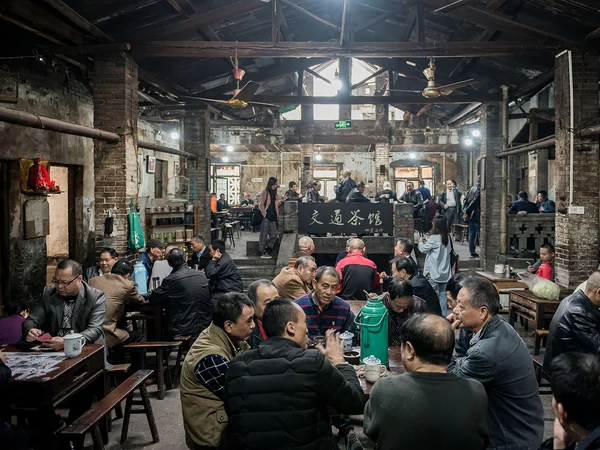
Chinese tea ceremony and hospitality — Serving tea can welcome a guest, accompany a meal, support a business conversation or mark family occasions. Practices differ across regions and communities. A home visit may be informal, a gongfu tasting tightly focused on several infusions, and a Chengdu teahouse designed for a long social pause. Observe the host and ask before rinsing, pouring or moving utensils.
Tea and the Ancient Tea Horse Road
Routes now grouped under the Tea Horse Road linked tea-producing areas in Southwest China with Tibetan regions and other markets through changing networks of trade. The term covers multiple routes and periods, not one paved road. Yunnan museums, old towns and mountain corridors can provide context, but individual attractions vary in how much authentic material survives.
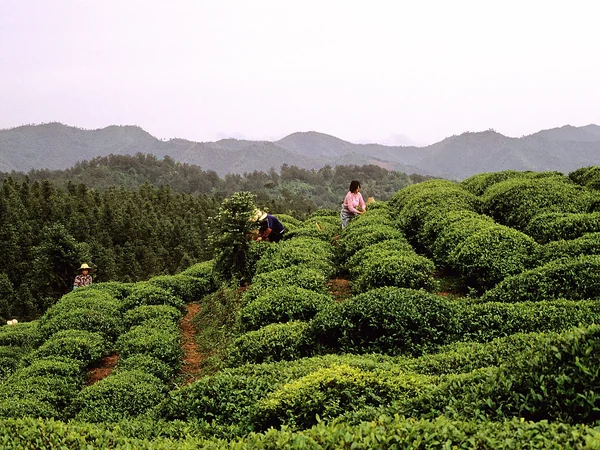
For a focused introduction, the China National Tea Museum in Hangzhou places objects, production and customs together. Hangzhou also shows the relationship among West Lake scenery, Longjing villages and urban tea culture. A three-day Hangzhou itinerary leaves more room than a rushed day trip for both major sights and a properly paced tea stop. Harvesting is seasonal, and not every field visit includes hands-on picking, so confirm demonstration language, access and whether purchases are optional.
A tea plantation landscape in China
Editorial accountability
Hu Lei, CEO. The named owner is responsible for travel-planning accuracy and escalation of time-sensitive checks.
Yuntian Travel (Yunnan) Group is identified in its corporate profile as a licensed professional inbound travel service provider based in Kunming, China. Registration and travel-service documents can be requested before booking.
Page-specific references where cited, official destination, transport and entry notices, YUNSKY route-planning records, and direct provider confirmation before a booking is finalized.
Content is reviewed when rules, transport, access, pricing or route conditions change. Final availability and operating details are reconfirmed for each traveler’s dates.
Quality review: Page updated: