Your China & Yunnan Travel Experts

A Yunnan Muslim travel plan should make meals, prayer arrangements and excursion-day logistics explicit at every stop. Start with your own requirements, then confirm the actual food provider, preparation and facilities along the proposed route. This guide covers the planning questions; the Yunnan halal food guide and mosques and prayer guide address the details. For a coordinated journey, explore Yunnan Muslim Tours.
Yunnan has longstanding Muslim communities, including Hui communities in several cities and towns. Ethnic identity is not proof of an individual's religious practice, and a community's presence does not establish the current access or services at a particular mosque, hotel or restaurant.
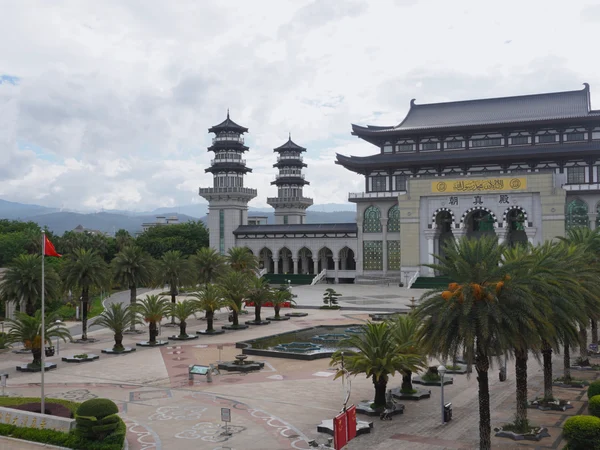
Kunming, Dali, Tonghai and Shadian are among the places discussed in the site's existing community background. They belong to different parts of Yunnan and need separate route planning. A journey focused on religious and community history may therefore differ from a classic northwest sightseeing circuit.
Use the regional communities guide for broader context and the map to locate the actual places. Avoid treating a list of mosques as an itinerary or using undated population and venue totals as evidence of present visitor arrangements.
| Day type | Main planning need | Detail to confirm |
|---|---|---|
| Kunming or another city day | Suitable meals near the actual activities | The exact outlet, preparation and route |
| Old-town stay | Meals and prayer arrangements compatible with hotel access | Walking distance, venue identity and practical privacy needs |
| Mountain or scenic excursion | A meal plan where choices may be more limited | The actual provider or packed-meal arrangement |
| Long transfer or rural overnight | Food and breaks between bases | Planned stops, timing and what happens if the route changes |
A hotel advertised as convenient for a Muslim itinerary is not enough information on its own. Confirm the specific services relevant to your needs and the dates you will use them.
The Chinese term 清真 is useful to recognize when researching food, but your own requirements still need to be discussed with the outlet. Ask about meat sourcing, broth, cooking ingredients, shared equipment and any other matters important to you. A beef or lamb dish name alone does not answer them.
Rice noodles can include meat broth and other additions, as the noodle guide explains. A vegetable dish may also use ingredients not visible in a photograph. Use the food guide to turn a menu choice into specific questions rather than infer suitability from the main ingredient.
Older descriptions of a food street or market should not be treated as a permanent directory. Businesses can move or change. Verify the exact branch or outlet instead of relying on a historic district name.
If prayer arrangements are needed during the day, explain the practical requirements to the adviser or provider before the schedule is finalized. A break, a private space and access to a mosque are different arrangements. Do not let a vague “prayer stop” label stand in for the details you require.
For a mosque visit, confirm current visitor entry, appropriate timing, clothing, photography and which areas may be entered. A religious site is an active community setting, and sightseeing should not interrupt worship, classes or private activities.
This guide does not list unverified prayer schedules or guarantee facilities. Use information from the actual community or provider for your dates. Individual religious observance and interpretation should be guided by your own needs, not inferred from a tourism article.
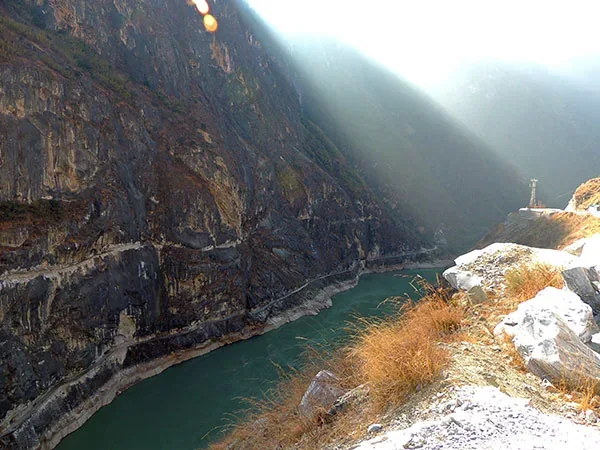
For a Jade Dragon Snow Mountain day, a gorge visit or a Yuanyang stay, ask exactly where and how the meal is arranged. An included lunch does not automatically meet a requirement simply because the larger tour is described as suitable for Muslim travelers.
If a packed meal is agreed, confirm who prepares it, what it contains, how it is handed over and what the group does if timing changes. If a restaurant stop is planned, confirm that the current outlet and route match the day's schedule.
The transport guide helps place breaks realistically. Do not build the day around a distant restaurant that requires backtracking or makes the main visit impractical.
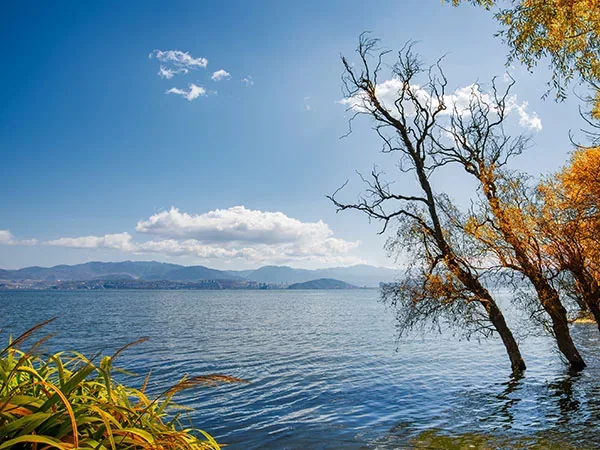
In Dali or Lijiang, consider the actual hotel entrance, meal access and vehicle meeting point together. A property inside old-town lanes may require luggage handling and additional walking that should be clear in advance.
Ask for the guiding language and level of support you want. A driver, a general sightseeing guide and someone coordinating specific meal and prayer requirements provide different services. Compare them using the budget guide rather than assume identical support from similar tour titles.
Provide dates, group size, room arrangement, meal requirements, prayer-related needs, walking preferences and the destinations you most want. State which arrangements are essential and which are preferences so the proposal can be concrete.
A visit to Shadian or another community can be meaningful for history and cultural understanding, but it is a separate regional decision. Do not add it only to increase the number of religious sites in a short route.
Ask for appropriate access and interpretation, and respect boundaries around people and private spaces. The language guide helps with basic communication; more detailed cultural explanation may need a knowledgeable interpreter.
List your requirements for breakfast, lunch and dinner separately, then identify any day spent away from the overnight city. Ask how that day's meal arrangements work, where a prayer break could fit and which details still require confirmation. A hotel location or a familiar restaurant name is only a starting point.
Share the same brief when requesting a route from Malaysia, Singapore or another departure market. Arrival times and the travel party may differ; the food and prayer requirements should remain explicit. Keep the Muslim and halal tour options in one coordinated proposal rather than assuming separate labels describe different services.
No. Plan the actual outlet or meal arrangement for each day, particularly for rural, mountain and long-transfer itineraries.
No. Meat sourcing, broth, ingredients and preparation may matter. Confirm the actual dish and kitchen arrangements relevant to your needs.
No. Confirm the specific community's current visitor arrangements and respect worship, private activities and photography instructions.
Treat it as a starting point for discussion. Ask for the precise meal, prayer, hotel and guiding arrangements in the actual proposal.
Potentially with enough time, but it adds a separate regional journey. Check the map and full transport plan rather than treat it as a nearby Dali or Lijiang stop.
Send the route, dates, group and room details, meal requirements, prayer-related needs and walking preferences. Ask for essential arrangements to be described explicitly.
Compare the Yunnan Muslim tour collection for possible starting routes. Then request a Yunnan itinerary with your meal, prayer and travel requirements so each day can be considered as a complete plan.
Editorial accountability
Hu Lei, CEO. The named owner is responsible for travel-planning accuracy and escalation of time-sensitive checks.
Yuntian Travel (Yunnan) Group is identified in its corporate profile as a licensed professional inbound travel service provider based in Kunming, China. Registration and travel-service documents can be requested before booking.
Page-specific references where cited, official destination, transport and entry notices, YUNSKY route-planning records, and direct provider confirmation before a booking is finalized.
Content is reviewed when rules, transport, access, pricing or route conditions change. Final availability and operating details are reconfirmed for each traveler’s dates.
Quality review: Page updated: