Your China & Yunnan Travel Experts

There is no single Yunnan language shared by everyone in the province. Mandarin is useful for travel, while local varieties of Chinese and languages used by different communities are part of everyday life. For a visitor, the most useful preparation is to keep exact Chinese place names and a few clear phrases, then ask how to communicate in the specific setting.
Do not infer someone's language from appearance, dress or ethnicity. The regional communities guide provides context, while the practical approach below helps with hotels, transport, meals and considerate conversations.
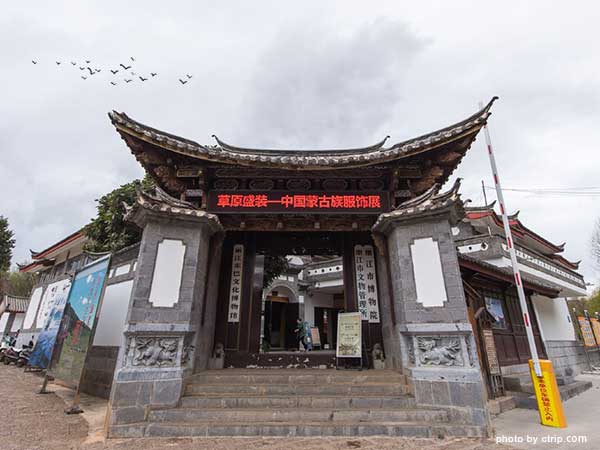
Mandarin can be a useful common language in travel settings, but this does not mean every person speaks it with the same fluency or accent. English support also varies by property, venue and individual. If interpretation is important, confirm the actual service before booking.
Bai, Naxi, Dai and other language traditions are associated with different communities and regions. A single province-wide phrase list cannot responsibly represent all of them. Learn a local greeting from the person or guide who knows that context rather than use an invented approximation.
In Lijiang, Dongba heritage includes a specialist manuscript tradition. It should not be mistaken for a universal everyday writing system used by every Naxi person or as a simple symbol-for-word tourist alphabet.
| English name | Chinese form | What else to keep |
|---|---|---|
| Yunnan | 云南 | The actual city and hotel, not only the province |
| Kunming | 昆明 | The specific airport or railway station |
| Dali | 大理 | Old Town, the hotel address and entrance |
| Lijiang | 丽江 | The exact old-town area or property |
| Shangri-La | 香格里拉 | The actual town hotel or attraction |
A useful hotel card includes the full Chinese property name, address, entrance pin and a contact that has been supplied for your booking. Show the whole card when arranging transport. A shortened English name can refer to more than one business or place.
Distinguish Kunming Railway Station, 昆明站, from Kunming South, 昆明南站. The transport guide explains why a similar city label is not enough. Check the name on the ticket itself.
| Purpose | Chinese | Pinyin and meaning |
|---|---|---|
| Polite opening | 请问 | Qǐngwèn — excuse me / may I ask |
| Thanks | 谢谢 | Xièxie — thank you |
| Ask for a written answer | 请写下来 | Qǐng xiě xiàlái — please write it down |
| Ask about the amount | 一共多少钱? | Yígòng duōshao qián? — how much is it altogether? |
| Ask about photography | 可以拍照吗? | Kěyǐ pāizhào ma? — may I take a photograph? |
| Confirm the place | 是这里吗? | Shì zhèlǐ ma? — is this the place? |
Showing the written phrase can be more reliable than relying on unfamiliar pronunciation. For important arrangements, ask for the answer in writing or use a competent interpreter. A nod after a long question does not always establish that every detail was understood.
A request for less chili, 少放辣椒, is different from a requirement for no animal ingredients or a particular preparation method. The food guide and rice-noodle guide explain why broth, toppings and cooking fat matter alongside the dish name.
If an ingredient must be avoided, use its precise translated name and ask about the whole preparation. A menu translation is only a starting point. For a serious allergy, seek a clear and reliable response from the food provider rather than treating a translation app as confirmation of the kitchen's practice.
For Muslim travel, 清真 is a useful term to recognize, but your specific preparation and service requirements still need discussion with the actual outlet. Do not ask a driver to decide religious or dietary suitability solely from a restaurant name.
Translate one decision at a time: the exact destination, the pickup time, the number of bags or the ingredient question. Long paragraphs with several requests are harder to check. Show dates and times in numerals where useful and repeat the final agreement in a simple written form.
Keep the essential names and confirmations available when connectivity is poor. This is especially useful for an old-town hotel entrance, a rural pickup or the finish of a gorge hike. Do not depend on being able to retrieve a message at the moment a driver needs the address.
For a cultural visit, ask for interpretation in the language you actually need. A general driver service and a subject-specific guide are different arrangements, as the budget guide explains when comparing inclusions.
Ask people how they prefer to be addressed and whether they are comfortable speaking or being photographed. A paid workshop, a museum explanation and a chance conversation in a village have different expectations. Buying a ticket does not entitle a visitor to record every interaction.
When you learn a local expression, ask about its context and pronunciation. Avoid presenting one person's response as a statement from an entire community. The Bai and Naxi culture guides offer more focused regional starting points.
The travel checklist helps connect communication preparation with your daily route, rather than leave it as a disconnected vocabulary exercise.
No. The province includes Mandarin and local Chinese varieties as well as languages associated with different communities. Use specific regional context rather than a single label.
No universal assumption is useful. Confirm language support with your actual hotels, guides and activity providers, especially when detailed interpretation matters.
A few polite phrases and exact written place names are often more practical than a long untested vocabulary list. Keep important arrangements in a clear written form.
No. It belongs to a specific cultural and manuscript tradition and should not be treated as a universal word-for-symbol system or everyday writing used by all Naxi people.
The complete Chinese name, address, entrance pin and the contact supplied for the booking. Add any vehicle meeting instructions when the room is inside old-town lanes.
Use short messages, ask one question at a time and confirm the final details in writing. For important interpretation, arrange competent language support rather than rely on an unclear nod.
Use the itinerary guide to identify the days where interpretation matters most. Compare Yunnan route ideas, or request an itinerary with the guiding language and cultural interests you need.
Editorial accountability
Hu Lei, CEO. The named owner is responsible for travel-planning accuracy and escalation of time-sensitive checks.
Yuntian Travel (Yunnan) Group is identified in its corporate profile as a licensed professional inbound travel service provider based in Kunming, China. Registration and travel-service documents can be requested before booking.
Page-specific references where cited, official destination, transport and entry notices, YUNSKY route-planning records, and direct provider confirmation before a booking is finalized.
Content is reviewed when rules, transport, access, pricing or route conditions change. Final availability and operating details are reconfirmed for each traveler’s dates.
Quality review: Page updated: