Your China & Yunnan Travel Experts

Pack for Yunnan in layers: everyday clothes for your overnight towns, additions for the season and higher or tropical outings, and a daypack for the hours before your next hotel check-in. A Kunming–Dali–Lijiang route, a mountain excursion and Xishuangbanna should not inherit one identical clothing list. Write down the stops first, consult Yunnan weather by month, then use the checklist below to separate essential items from optional extras.
List each overnight base, your travel month and any mountain, tropical or hiking day before choosing items. Then use the checklist and regional additions below. Consult the best-time guide for seasonal context and check the local forecast near departure to choose the weight of your clothing.

| Pack or prepare | Why it helps | Keep accessible |
|---|---|---|
| Passport and documents required for your journey | Identification and confirmed booking requirements | In a secure personal bag |
| Booking details, Chinese hotel names and entrance pins | Clear arrivals and pickup arrangements | Saved for offline access |
| Comfortable walking shoes and socks | Old-town paving, steps and sightseeing days | Wear shoes already broken in |
| Light layers and a warmer removable layer | Different mornings, evenings and indoor conditions | One layer in the daypack |
| Rain protection suited to your itinerary | Wet-weather town days or outdoor outings | Near the top of the daypack |
| Sun hat, sunglasses and sun protection | Exposed town, lake and mountain days | In a small daily kit |
| Personal medication and essential care items | Your individual daily needs | With you during transfers |
| Phone, charger and compatible charging adapter | Bookings, maps and contacts | In a labeled pouch |
| Refillable bottle and a small snack | Long outings and transfer gaps | In the daypack |
| A spare payment method accepted by your providers | An alternative if your first method is unavailable | Stored separately where practical |
Choose quantities around laundry and trip length. You do not need a separate outfit for every day if your itinerary includes enough time for washing and drying. Keep one change of clothes accessible when a main bag will be stored or transferred separately.
Build a small set of clothes that work together: breathable tops, comfortable trousers or other clothing suitable for walking, and layers you can add or remove. Include something warm enough for your expected evenings rather than choosing only for a sunny daytime photograph.
For old towns, footwear is often a more consequential choice than another outfit. Soles should suit the surfaces you expect, and shoes should already be comfortable over several hours. If your itinerary includes a longer trail, assess its footwear needs separately; a town walking shoe is not automatically the right hiking shoe.
Ask your hotel about heating, cooling, laundry and drying arrangements if these affect your packing. A quick overnight stop does not leave the same laundry opportunity as three nights in one base. The Yunnan travel tips explain why hotel access and everyday practicalities deserve a place in the plan.
A higher excursion can require warmer, wind-resistant layers even when your hotel base feels mild. Choose insulation, outerwear, a hat and gloves according to the season, forecast and confirmed visitor route. Keep those items with you on the excursion instead of leaving them in luggage bound for the next hotel.
Consult the Jade Dragon Snow Mountain visit guide for the exact outing and the Yunnan altitude guide for the difference between sleeping elevation and a day visit. Clothing is only one part of preparation. Extra layers or a piece of equipment do not establish that a high-elevation outing is suitable for you; seek individual health advice when needed before booking.
Ask what a provider supplies and in what sizes before relying on rental clothing. Do not assume that the phrase “mountain tour” includes a coat, walking equipment or luggage storage. A simple list of supplied and personally carried items avoids duplicates and missing essentials.
For a route likely to include wet days, bring rain protection you can wear comfortably and a way to keep your phone, documents and a spare layer dry. Pack a separate bag for damp clothing. Think about drying time before filling a suitcase with heavy items that will stay wet between hotel moves.
An umbrella may be convenient for an ordinary town walk but less useful when an exposed trail needs both hands free. Choose protection for the actual activity. Confirm local conditions and access for outdoor routes close to the day, using the best-time guide to understand the broader seasonal tradeoffs.
For Xishuangbanna or other warmer southern stops, consider breathable clothing, comfortable footwear and appropriate insect protection used according to its label. Retain a suitable layer for transport and for any cooler destination elsewhere in the same trip. Packing only for the warmest stop makes a mixed-region route harder to manage.
Carry the essentials for the whole time you will be away from your hotel: required identification, phone, useful booking details, water, personal medication, sun or rain protection, a spare layer and enough power for your expected use. Add a snack for a long excursion with uncertain meal timing.
Keep the bag manageable for the least comfortable part of the day, including steps and waiting areas. Put commonly used items where you can reach them without emptying everything. On a transfer day, retain what you need until evening; your main suitcase may not be available between pickup and check-in.
Photographers can add only the equipment they expect to use on that outing, plus suitable protection from rain and dust. Check any tripod or equipment restrictions at the actual venue before carrying a heavy kit. A terrace sunrise and an old-town afternoon need different setups.
Choose a bag you can lift and move comfortably. An old-town accommodation may be some distance from the vehicle meeting point, and access can include paving or stairs. Ask the hotel about the last part of the journey and whether luggage assistance is arranged.
For intercity travel, confirm the current baggage conditions of your actual operator and ticket before departure. This guide does not prescribe a universal size or weight allowance. The Yunnan transport guide helps you count the transfers and waiting at both ends of the main journey.
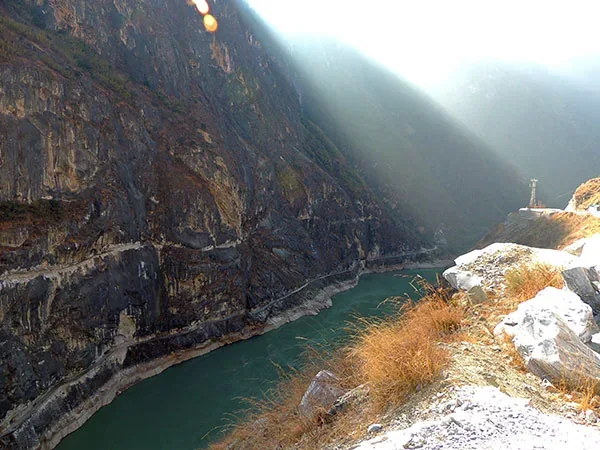
If you plan an overnight gorge hike, agree where the main luggage will stay, who is responsible for its onward movement, and how you retrieve it if the plan changes. Read the Tiger Leaping Gorge guide and obtain the selected route's equipment list. Pack the smaller hiking bag only after accommodation, access and luggage arrangements are clear.
Keep required original identification, a compact document holder and accessible booking copies in your personal bag. Store a separate reference copy where it can be retrieved if needed; it does not replace an original when one is required. The practical travel checklist covers which booking details and meeting points to confirm.
Pack the charging equipment and compatible adapters your own devices need. Protect them from moisture and keep essential charging items with you when the main bag travels separately. Check current carrier conditions for batteries and power banks before deciding which items to bring.
Carry the payment items you have arranged to use, together with the agreed backup. Keep them secure and accessible; do not bury every useful item in luggage that will be unavailable until evening.
| Itinerary feature | Packing adjustment |
|---|---|
| Several nights in one town | Use a realistic laundry interval to choose clothing quantities. |
| A mountain excursion during a town trip | Add the needed warmer or protective layers without duplicating the whole wardrobe. |
| A tropical extension | Add breathable clothing and suitable rain protection while retaining layers needed elsewhere. |
| An overnight hike with stored main luggage | Separate the carried overnight kit from the items that can remain in storage. |
| Frequent hotel changes | Choose a main bag you can manage and keep the daily kit ready to lift out. |
Confirm supplied equipment, towels or other bulky items before bringing duplicates. Leave space for purchases and use pieces that work together. Obtain a separate equipment list for a substantial trek; a general sightseeing checklist cannot determine its technical requirements.
Imagine leaving your hotel in the morning, taking a train and reaching the next room late in the day. Your daypack should contain the items needed during that whole interval, while the main bag remains manageable through the station and the final approach to an old-town hotel. Confirm luggage assistance rather than assuming it.
Before closing the main bag, compare its contents with the actual laundry opportunities and number of hotel changes. Remove duplicate items that do the same job, then check the arrival and luggage arrangements for the route you booked.
It depends on your route and activities. A warmer layer can still be useful for cooler evenings or higher excursions. Check the specific forecast and the requirements of your mountain outing before choosing its weight.
Either can work if you can manage it on your actual transfers. Ask about hotel steps, old-town vehicle access and luggage assistance. An overnight trek usually needs a separate plan for the main bag and a smaller carried bag.
Not automatically. Comfortable footwear suited to the planned surfaces may be enough for town visits. A substantial hike needs a separate assessment based on the route and local conditions.
Bring clothing that lets you dress respectfully for the particular place, and follow the host's guidance. Ask before entering private or religious spaces and before photographing people. A single dress rule does not describe every community.
Keep required identification, essential medication, phone, booking details, a usable payment option, water and the layers you need before the next check-in. Include a spare change if the main luggage will travel separately.
Use it only as a general travel starting point. Obtain a route-specific equipment list and confirm weather, accommodation, access and support with your hiking provider. A town-based holiday and a remote trek have different requirements.
Lay out your planned days beside the checklist and remove items for activities you are not taking. Mark anything that depends on a provider, such as supplied equipment, luggage storage or an overnight hiking kit. If you are planning with YunSky, discuss your Yunnan route and activity arrangements before choosing those items. Recheck the seasonal context and your selected experiences as the trip takes shape.
Editorial accountability
Hu Lei, CEO. The named owner is responsible for travel-planning accuracy and escalation of time-sensitive checks.
Yuntian Travel (Yunnan) Group is identified in its corporate profile as a licensed professional inbound travel service provider based in Kunming, China. Registration and travel-service documents can be requested before booking.
Page-specific references where cited, official destination, transport and entry notices, YUNSKY route-planning records, and direct provider confirmation before a booking is finalized.
Content is reviewed when rules, transport, access, pricing or route conditions change. Final availability and operating details are reconfirmed for each traveler’s dates.
Quality review: Page updated: