Your China & Yunnan Travel Experts

 Ask a Question
Yunnan Travel Guide for Expats Reviewed August 28, 2026. Yunnan spans subtropical valleys, high plateaus and border regions. Distances, altitude and rainy-season road conditions matter more than the attractive cluster of names on a map. Kunming sits near 1,900 metres, Dali around 2,000, Lijiang higher, and Shangri-La above 3,000. The exact figures matter less than the steady rise: travelers arriving from sea level should keep the first highland day light and avoid adding a harder hike immediately. Road travel can be slow through mountain valleys, especially during the summer rains. A route that looks linear on a tourist map may involve backtracking. Compare rail, flight and road segments with hotel check-in time and daylight at arrival.
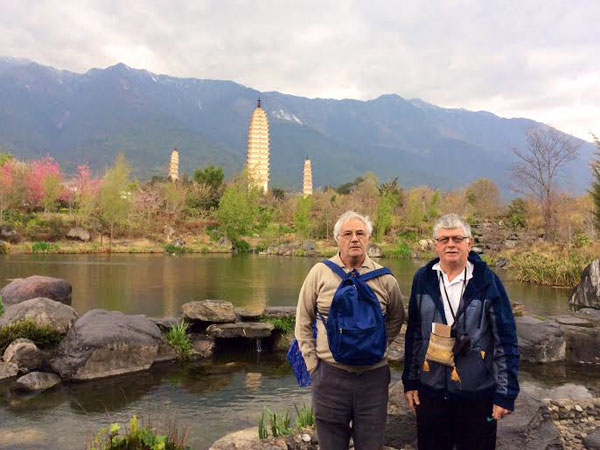
Build one northern or southern circuit, then add Kunming as the transport anchor. The retained photographs show real Yunnan landscapes and travelers; no image is evidence that the same weather will occur.
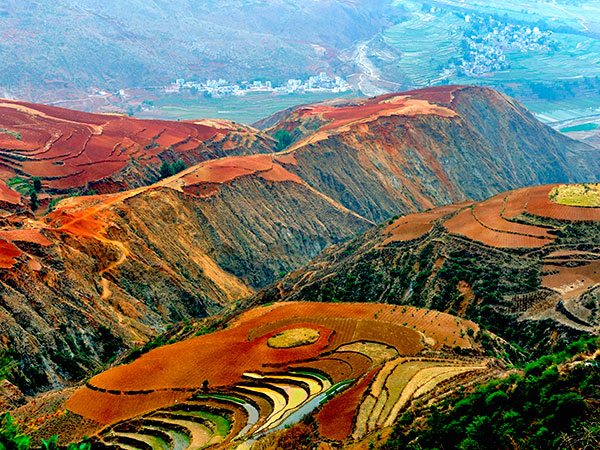
Kunming is the main flight and rail hub and a useful acclimatization stop before higher northwest Yunnan. Kunming is more than a connection. The Yunnan Provincial Museum, city markets and regional food provide context for the places ahead, while nearby Stone Forest requires a separate half-day or day. Dongchuan is a photography-oriented road trip whose field colors depend on crops, soil and season; it is not the same as the urban “Spring City.” Travelers using Kunming only for an evening should stay near the relevant rail station or airport connection rather than choosing a scenic lakeside address that complicates departure. Use one day for a city sight and food, then add Stone Forest, Dongchuan or another extension only after checking the transfer.
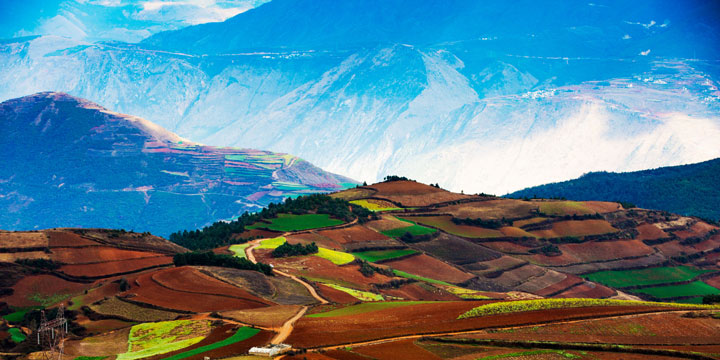
The red-land photograph belongs to the Dongchuan landscape; it should not be mistaken for central Kunming.
Lijiang combines an active modern city, Naxi cultural heritage, old-town lanes and access to Jade Dragon Snow Mountain. Lijiang Old Town can be crowded, commercial and noisy, but quieter lanes and surrounding villages reveal more when visited with local context. Wheelie luggage is awkward on stone lanes; arrange an exact meeting point with the guesthouse. Jade Dragon Snow Mountain uses timed tickets, internal transport and high-elevation facilities, and weather can close lifts or hide the summit. Do not treat bottled oxygen as a substitute for acclimatization or medical judgment. Baisha or Shuhe can add craft and historical context when the visit supports genuine studios rather than staged shopping. Stay outside the busiest lanes if sleep and vehicle access matter. Ask before photographing residents or religious practice.
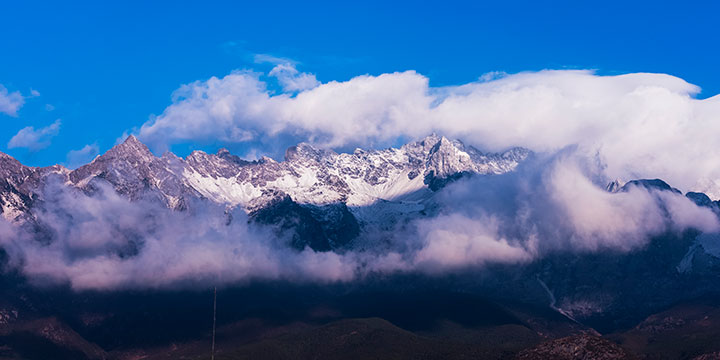
The snow-mountain photograph supports the regional landscape, but cloud and lift access vary by day.
Dali works best over two or three days: old-town context, one side of Erhai and a focused Bai cultural or craft experience. Dali plans should choose a side of Erhai instead of racing around the lake for identical photo stops. The old town, Xizhou, Zhoucheng, Shaxi and Cangshan each need time and different transport. E-bikes expose riders to sun, wind, rain and traffic; check licensing, helmet, range and insurance before use. Around villages and fields, remain on public paths and ask before photographing people at work. A Bai textile workshop is most meaningful when the maker explains dye, resist technique, material and who completed each stage. Do not attempt the full lake, Cangshan and multiple villages in one rushed day.
Shangri-La sits much higher than Kunming, Dali or Lijiang. Allow a lighter arrival day and watch for altitude symptoms. Shangri-La demands the clearest contingency plan. Nights are cold even when lower Yunnan is warm, and headache or breathlessness should not be dismissed as ordinary tiredness. Pudacuo access, boardwalk sections and shuttle routes can change; Songzanlin Monastery requires respectful dress and photography rules. The next road toward Deqin or Yubeng climbs higher and can be affected by snow or landslides. Travelers should know the highest sleeping point, road hours and exit options before adding those names to an itinerary. Pair the old town and Songzanlin with Pudacuo only if current park access and weather fit.
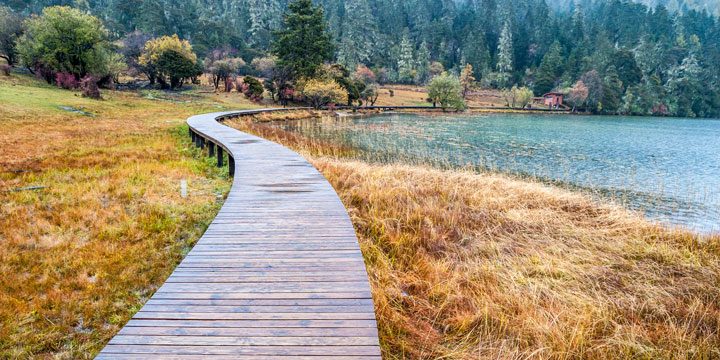
The retained boardwalk photograph accurately reflects a highland wetland setting.
Yuanyang's Hani terraces require road time and benefit from at least two nights. Water-filled reflective seasons, planting and harvest appearances vary with local farming and weather.
Xishuangbanna offers tropical ecology and Dai cultural context, not a generic “minority theme park.” Choose ethical botanical, village and food experiences. Border proximity does not authorize crossing. Carry the required identity document and obey current access controls.
Classic northwest circuit
Kunming → Dali → Lijiang → Shangri-La over eight to ten days. Photography circuit Kunming → Dongchuan or Luoping → Yuanyang, chosen by season rather than forced into one week.
Southern circuit
Use open-jaw flights or rail where sensible, but leave a road-weather buffer.
Start with the Yunnan destination guide and confirm every long transfer before reserving a non-refundable hotel.
Dali, Lijiang and Shaxi are not interchangeable. Learn who built and uses the place, choose locally run services where possible, and avoid blocking homes for photographs.
Yunnan's communities have distinct languages, religions and customs. Ask a guide to identify the specific community and source; avoid reducing people to costumes or festival entertainment.
Yunnan includes karst, subtropical forest, snow mountains, gorges, lakes and agricultural terraces.
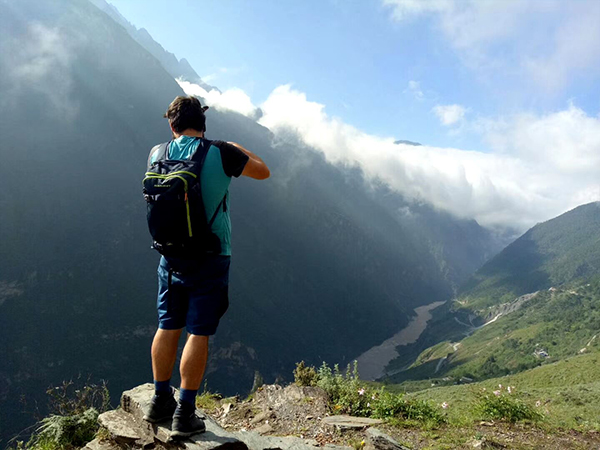
The retained hiking image supports a mountain trail. Carry water, use proper footwear and check landslide or closure notices.
For route detail, read the Dali guide and connect northward only when the transport sequence remains comfortable.
Festival dates may follow local calendars and community schedules. Confirm the place, date and visitor etiquette; do not advertise a Water-Splashing Festival month without a current local notice.
Crossing-the-bridge noodles, mushrooms, cured products and regional rice dishes deserve clear ingredient questions. Wild mushrooms can be dangerous if misidentified or undercooked; use reputable restaurants and follow food-safety advice.
| Area | Spring | Summer | Autumn | Winter |
| Dali | Mild; variable rain | Rainy; green | Comfortable; popular | |
| Cool; often clear | Lijiang | Mild days | Wet season | |
| Clearer hiking periods | Cold nights | Shangri-La | Late spring thaw | |
| Green; rain possible | Cool; clearer spells | Cold; limited routes | ||
| Kunming | Flowers and mild days | Rainy afternoons | ||
| Mild and drier | Cool mornings | |||
| Xishuangbanna | Warm; festival demand | Hot and wet | ||
| Warm with rain easing | Drier and popular |
How to read the table
These are planning tendencies, not guarantees. Check the specific elevation and county forecast.
February to April Luoping flowers and terrace conditions depend on the agricultural calendar. Kunming and Dali are generally mild, while Shangri-La remains cold.
December to January Southern Yunnan is milder; Yuanyang can be photogenic when fields are watered, while highland routes may be icy.
Suggested ten-day route Kunming → Dali → Lijiang → Shangri-La, with two or three nights at each major base instead of one-night stops.
Seasonal note Last reviewed August 28, 2026. Seasonal farming, flowering, snow and visibility must be confirmed close to travel.
Rainy-season forecasts can change quickly. Avoid exposed gorges during severe weather and follow closures.
Use sun protection at elevation, carry a warm layer and ascend gradually toward Shangri-La.
Book peak-holiday transport and key hotels early, but keep cancellation flexibility for weather-sensitive road sections. When a route approaches an international border or a restricted mountain area, ordinary domestic-travel assumptions may not apply. Ask the local authority or licensed operator whether a foreign passport holder can use the road and whether advance permission is needed. Do not photograph checkpoints, military facilities or sensitive infrastructure. Carry the original identity document, keep the itinerary consistent with bookings and accept a route change if current access rules require it.
Use the passport entered in each rail, flight, hotel and attraction booking; carry the original when required.
Continue with the Kunming guide. Prices, access, border controls and transport schedules should be rechecked before departure.
From $ 2356

From $ 1207

From $ 22782050