Your China & Yunnan Travel Experts

 Ask a Question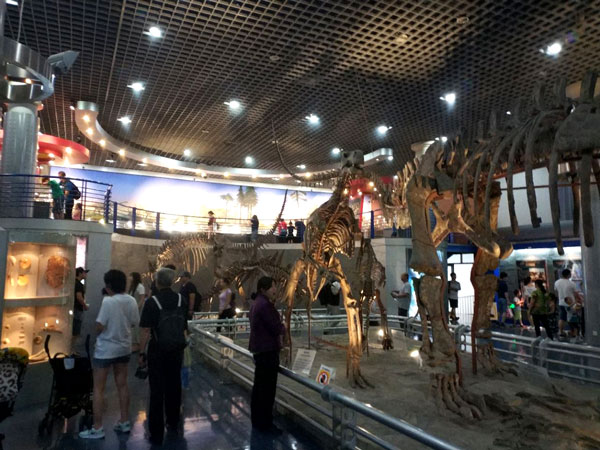
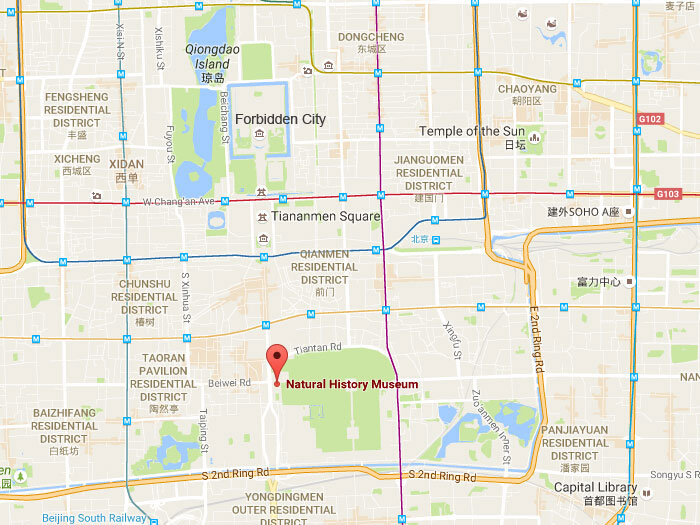
126 Tianqiao S. St., Dongcheng District, Beijing, China
Museum to seee plant samples and fossils
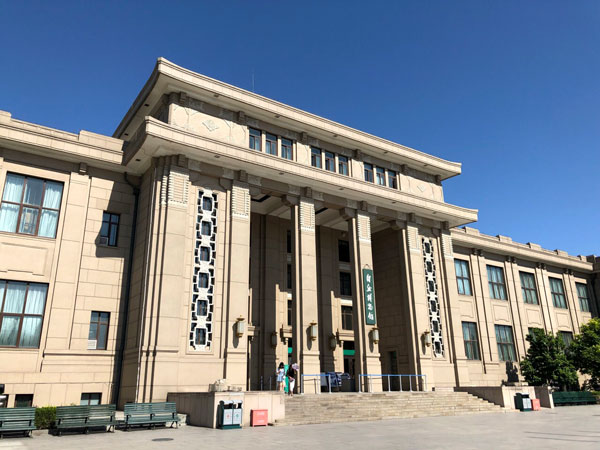
The Beijing Museum of Natural History, now officially known as the National Natural History Museum of China, is the country's only national and comprehensive natural history museum. It is located at 126 Tianqiao South Street in Dongcheng District, right next to the Temple of Heaven. The museum traces its origins to the Preparation Department of the National Central Museum of Natural History founded in 1951, was formally named Beijing Museum of Natural History in 1962, and was upgraded to the National Natural History Museum of China in 2023.
Open to the public free of charge (with advance reservation required), the museum welcomes visitors from Tuesday to Sunday, with entry closing at 16:30. In addition to its permanent exhibitions, the museum is also well-known for popular science activities such as “Museum Night,” mobile science vehicles, and online exhibition browsing, which has reached over 700 million views. On the second floor, visitors can find a creative cultural zone where souvenirs like butterfly specimens are sold—making it a favorite destination for families and nature enthusiasts alike.
Covering a total floor area of 23,246 square meters, including 9,987.8 square meters of exhibition halls, the National Natural History Museum of China welcomes around 1.8 million visitors annually, making it the most popular natural history museum in the country. Its collection holds about 370,000 specimens, among which the most treasured are the Yellow River Elephant fossil, the Juravenator chenmoi fossil, and the world's first feathered full-body restoration of Anchiornis huxleyi. The museum's strong academic research has been recognized internationally, with multiple papers published in leading journals such as Nature and Science. The permanent exhibitions follow the theme of biological evolution, covering topics from ancient reptiles and mammals to invertebrates, complemented by interactive experiences like a 4D cinema and VR displays. Conveniently located just north of the Temple of Heaven, the museum is an ideal stop to combine with a visit to this iconic UNESCO World Heritage Site.
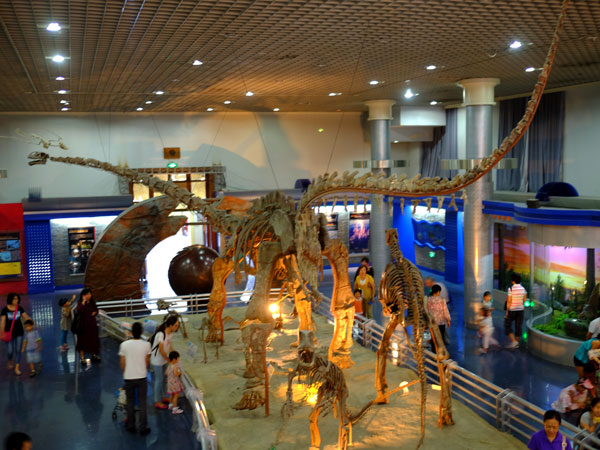
The museum has three floors plus a basement level. On B1, visitors will find the “Dinosaur Park,” featuring life-sized animatronic dinosaurs that fascinate children, and the “Exploring the Human Body” exhibition, which explains human anatomy and the science of life and health. The first and second floors are dedicated to the main exhibitions, including Ancient Animals, Ancient Plants, Human Origins, and Mysterious Africa, where a wide range of rare specimens are on display. The third floor houses the 4D cinema, which cannot be reserved in advance—tickets must be purchased on-site. To secure a seat, it is best to arrive early and buy your ticket at the main hall immediately upon entering.
World of Plants Hall
Located on the north side of the second floor, the World of Plants Hall is one of the museum's four classic permanent exhibitions, covering over 850 square meters. It displays more than 1,200 specimens of plant fossils and modern plants. The hall is divided into three sections—Plant Evolution, The Flourishing and Adaptation of Angiosperms, and Plants and Humans—presenting both the ancient history of vegetation and its close relationship with human life.
Dinosaur Park Hall
The Dinosaur Park Hall recreates the world of the Mesozoic era with more than 20 vivid models of dinosaurs, pterosaurs, and sphenodonts. Spanning from the Late Triassic to the Late Cretaceous, these life-sized models can move their heads, tails, jaws, and wings, while also featuring detailed actions like blinking and breathing, making the prehistoric creatures appear almost alive.
Ancient Mammals Hall
The Ancient Mammals Hall uses a beige color scheme inspired by the geological layers where mammal fossils were discovered. Its exhibits follow the evolutionary history of ancient mammals, enhanced with 3D-printed sculptures of nine small species reconstructed from fossil evidence. Interactive touchscreens and multimedia elements make the exhibition more engaging, allowing visitors to better visualize and understand the specimens on display.
Ancient Reptiles Hall
This hall takes visitors back more than 200 million years to explore the transition of vertebrates from water to land. Key specimens include coelacanths, temnospondyl amphibians, caecilians, and Dimetrodon, offering a clear look into this pivotal stage of evolutionary history.
Prosperity of Invertebrates Hall
Dedicated to major milestones in the history of life, this exhibition covers fossil formation, the origin of life, the Cambrian Explosion, and the flourishing of invertebrates. Visitors can trace the evolutionary journey from prokaryotes to eukaryotes, from single-celled organisms to multicellular animals, through diploblastic and triploblastic stages, and finally to the origin of vertebrates—showcasing the fascinating complexity of early life.
Animals—Friends of Humans Hall
Following the thread of evolution, this hall highlights the gradual development of animals from simple to complex, from lower to higher forms. Through lifelike dioramas of different ecological environments, visitors gain insights into how animals adapted to survive and coexist with humans.
Mysterious Africa Hall
Based on a generous donation of African wildlife specimens from Mr. Kenneth Behring, founder of the Wheelchair Foundation and board member of the China Foundation for Disabled Persons, this hall recreates the habitats of Africa's most iconic species. With bilingual displays and modern presentation techniques, the exhibition vividly brings Africa's natural wonders to life.
Origin of Humankind Hall
As one of the four major permanent exhibitions, this hall addresses the fundamental questions of “Who are we?” and “Where do we come from?” Through fossils, reconstructions, and multimedia, it traces the story of human origins and evolution.
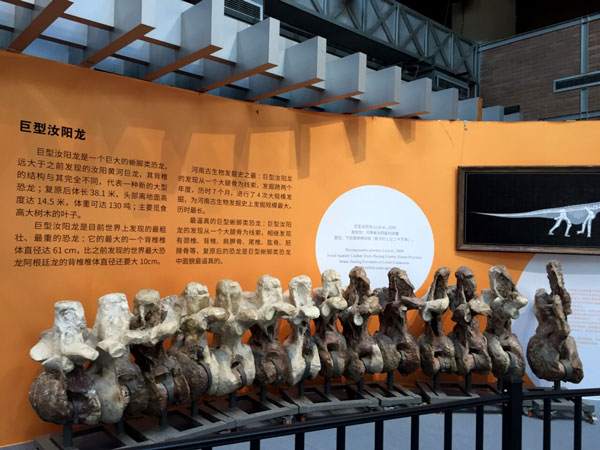
Rise of Vertebrates Hall
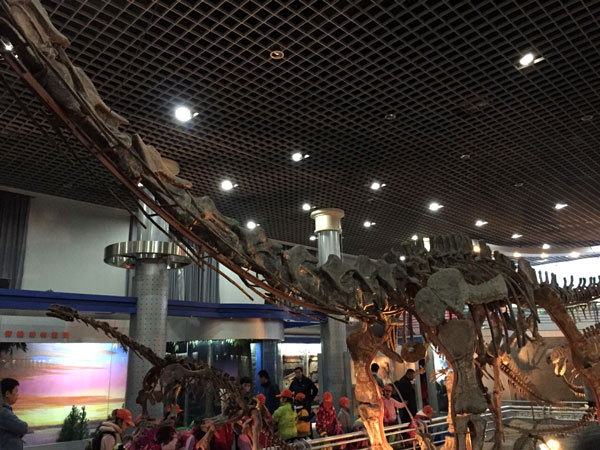
Featuring 197 specimens, over 70% of which are on display for the first time, this hall introduces the evolutionary journey of major vertebrate groups. Divided into seven thematic sections arranged along a timeline, it showcases critical evolutionary milestones. Naked-eye 3D installations bring to life dramatic scenes, such as a confrontation between Yangchuanosaurus and Keichousaurus from the Late Jurassic, and a battle between Tyrannosaurus rex and Triceratops from the Late Cretaceous.
Take Beijing Subway Line 8 to Tianqiao Station and exit from Exit A. The museum is just a short walk from there, conveniently located north of the Temple of Heaven.

From on request

From $ 306

From on request