Your China & Yunnan Travel Experts

 Ask a Question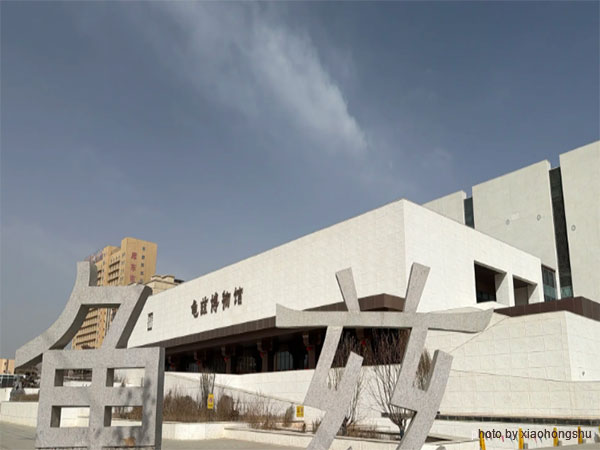
Friendship Road, Kuqa City, Aksu Prefecture, Xinjiang Uygur Autonomous Region
The Kuqa Kucha Museum is an authoritative cultural window for understanding Kucha civilization, the convergence of East and West along the Silk Road, and the integration of the Central Plains and the
Kuqa, known in ancient times as Qiuci, was a major strategic post on the Silk Road. Inside the museum, you'll find a wealth of cultural relics reflecting the city's brilliant history in art, religion, music, and architecture.
The exhibits cover everything from the New Stone Age to the present day, featuring rare treasures especially from the Qin, Han, and Tang dynasties.Since the museum is set inside the Kuqa King's Mansion, you get a “two-for-one” experience: browsing the ancient artifacts while exploring the home of the last King of Kuqa, where traditional Chinese and local Western styles blend perfectly.
Visiting the Kuqa Kizil Museum is free. Foreign tourists only need to show their passports at the entrance and cooperate with security checks to enter; no advance online reservation is required. Tour groups can call the museum at 0997-7770585 to make reservations. Before entering, please store drinks, food, and large luggage in the free lockers at the entrance; only small personal bags are allowed.
The museum is conveniently located on Youyi Road in the center of Kuqa City. From Kuqa Airport, a taxi ride takes about 30 minutes and costs approximately 40-50 yuan; alternatively, you can take the airport shuttle bus, which takes about 35 minutes and costs 8 yuan. From Kuqa Railway Station, a taxi ride takes only about 10 minutes and costs approximately 10 yuan. Within the city, you can walk, take a taxi, or take bus route 3 to “Youyi Road Station,” from where it's a short walk.
First Floor: A “Time Capsule” of the Kucha Civilization
Must-see in the “Silk Road Trade Zone”: Han Dynasty wuzhu coins, Persian silver coins, and Roman glassware are displayed side by side in a single showcase, as if you can almost hear the bustling haggling of merchants. The bronze coin inscribed with “King of Kucha” serves as proof of a “local currency” from Kuche two thousand years ago.
Second Floor: A Visual Feast of Murals and Buddhist Statues
A photographer's paradise! An entire wall of replicas of Kucha murals (the originals are in the Kizil Caves) features celestial dancers playing the pipa and devotees in brocade robes—the details are so vivid you can count the individual pearls.
Basement Level: High-Tech “Time Travel” to Kucha
• Holographic Theater: Stand on the circular platform as a 360° holographic projection brings the ancient city's marketplace to life—grape vendors, monks copying sutras, and Xuanzang delivering sermons. Put on headphones for a doubled immersive experience.
• Mural Restoration Game: Use the touchscreen to piece together fragmented murals; once completed, unlock the stories behind them. Perfect for playing with kids.
Tang Dynasty Line-Engraved Auspicious Buddha on a Pebble
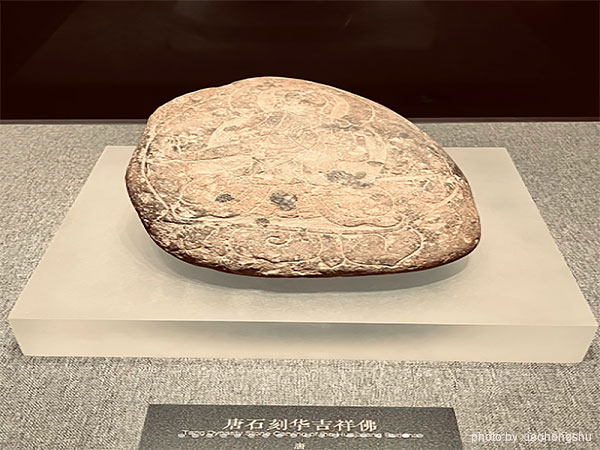
Unearthed from the Subashi Buddhist Temple site, this is a Tang Dynasty esoteric Buddhist artifact. The Buddha image, depicted seated cross-legged on a lotus pedestal, is carved from a natural oval pebble. The flowing lines of the robes and the Tibetan inscription “Medo Pak” at the waist correspond to the Auspicious Buddha in the “Thirty-Five Buddhas Repentance Text.” As a physical object used in esoteric Buddhist practice and repentance, it departs from the rigidity of traditional stone inscriptions, showcasing the dynamism of Kizil stone carving. It serves as evidence of the deep integration of Central Plains Buddhist art and Western Region esoteric Buddhist rituals, possessing irreplaceable academic value for the study of the spread of Buddhism in Kizil during the Tang Dynasty and esoteric Buddhist iconography.
Tang Dynasty Painted Clay Donor Head
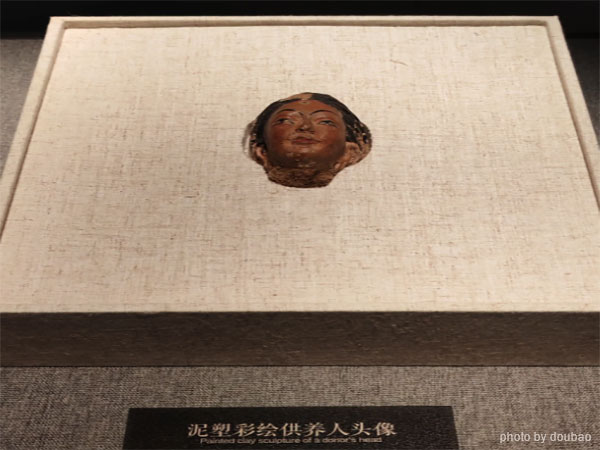
This head, unearthed from the ruins of a Buddhist temple in the Kucha Grottoes, is a masterpiece of Tang Dynasty Buddhist sculpture. Sculpted from fine sand-tempered clay, the surface was first coated with a white base before being painted with mineral pigments, the colors remaining clear to this day. The face is round and full, with crescent-shaped eyebrows, slightly lowered eyes, and a subtle, gentle smile at the corners of the mouth, conveying a serene and peaceful expression. The style combines the realism of Gandhara art with the gentle elegance of Tang Dynasty aesthetics, accurately recreating the appearance of a noble believer in Kucha at that time. It is a valuable specimen for studying the fusion of Kucha Buddhist sculpture techniques, social customs, and Silk Road art.
Kucha Documents
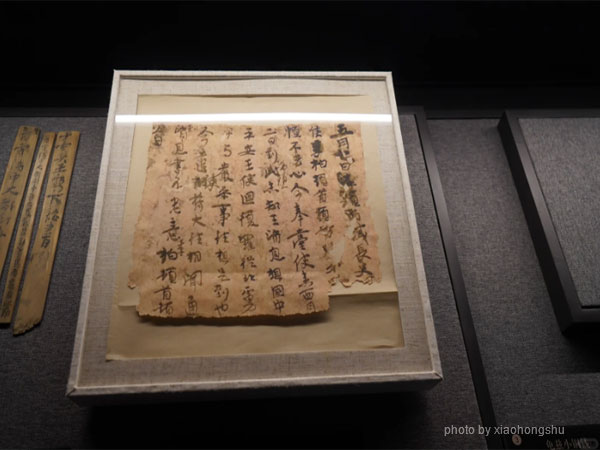
These are mostly fragments of paper and wooden slips unearthed from caves and ancient city ruins. Written in the Brahmi script of Kucha (Tocharian B script), they also contain a small amount of Chinese characters. The documents are extremely rich in content, encompassing Buddhist scriptures, contracts, accounts, official documents, and correspondence. As primary sources of information about ancient Kucha society, they break through the limitations of written records, not only providing crucial insights into the extinct Kucha language and script, but also clearly outlining the religious beliefs, economic trade, administrative system, and daily life of the people of ancient Kucha. They serve as written evidence of the fusion of Silk Road civilizations.
Tang Dynasty Pottery Relief of Musicians
This red pottery relief piece was unearthed from an archaeological site in the ancient city of Kucha. The relief depicts several musicians from the Western Regions, some holding pipa (a Chinese lute), others jiegu (a type of drum), each with a different posture and full of dynamism. The lines of their robes are fluid, and their expressions are focused. Kucha music and dance were popular arts in the Tang Dynasty court and among the common people, profoundly influencing music and dance in the Central Plains. This relief realistically reproduces the image of Kucha musicians and the form of their instruments during the Tang Dynasty, making it an important material resource for studying Kucha music and dance art, the history of musical instruments, and the cultural and artistic exchanges between the Central Plains and the Western Regions.|
Kuche Prince's Mansion (5-minute walk)
Admission approx. 55 yuan. A hereditary prince's residence from the Qing Dynasty, it features a Kucha Culture exhibition area. Visitors can explore the residence of the last princess, the mansion's gardens, and the ruins of the Han Dynasty city walls. The architecture blends Central Plains and Western Regions styles.
Kuche Prince's Mansion
Kuche Grand Mosque (Reistan District, Old City; 15-minute walk): Admission approx. 15 yuan. Xinjiang's second-largest mosque, featuring an 18-meter-high brick gatehouse and an exquisitely carved wooden dome; it preserves the rare ruins of a religious court. Appropriate attire is required, and visitors must not disturb worship services.
Kuche Grand Mosque
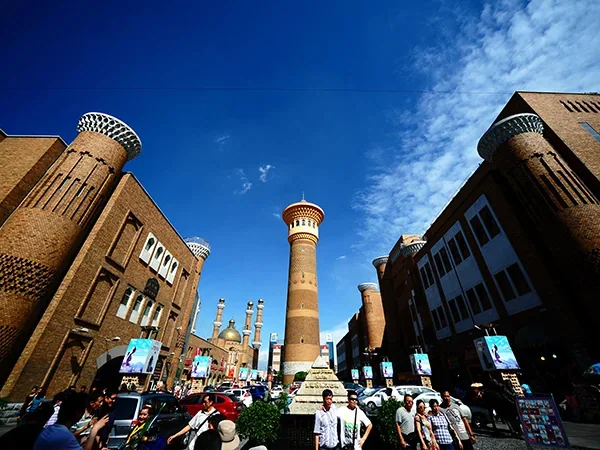
Restan Old Street / Kucha Alley (Free, in the same area as the Grand Mosque): With colorful carved doors and windows, vine-covered courtyards, and bustling bazaars, this is an excellent spot to experience the vibrant atmosphere of Southern Xinjiang and take photos; try the freshly baked Kuche naan.
Kuche Restan Old Street
Subashi Buddhist Temple Ruins (where Xuanzang preached, a UNESCO World Heritage Site, approx. 20 km from the city center, about 30 minutes by taxi or shared ride): Admission approx. 40 yuan. The East and West Temples face each other across the river; their crumbling walls exude a desolate beauty. The site has yielded museum-quality artifacts such as engraved pebbles and the Auspicious Buddha.
Subashi Buddhist Temple Ruins, Kuche
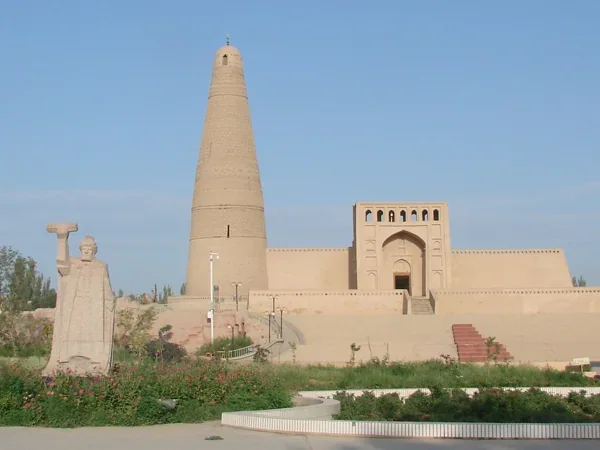
Kizilgaha Beacon Tower (an ancient Han Dynasty beacon tower, a UNESCO World Heritage Site, approximately 12 km from the city center): Admission is about 20 yuan. This isolated rammed-earth structure in the Gobi Desert serves as a tangible testament to the Silk Road's military defense system; it makes for stunning photos at sunset.
Kizilgaha Beacon Tower
Mysterious Grand Canyon of the Tianshan Mountains (Kizilya) (approx. 70 km from the city center, about 1.5 hours by car or shared ride): Admission approx. 40 yuan. A canyon formed by reddish-brown mountains, featuring wonders such as the “Skyline” and the “Suspended Stone.” The play of light and shadow is exceptional on sunny afternoons.
Mysterious Tianshan Grand Canyon
Kizil Grottoes (Thousand Buddha Caves) (approx. 70 km from Kuche; a round-trip chartered car is recommended): Admission fees vary based on the number of caves visited. As one of China's earliest cave temple complexes, its murals blend Gandharan and local Kucha styles. Flash photography and general photography are strictly prohibited, making this site ideal for serious cultural enthusiasts.
Day 1 (Cultural Old Town Route)
① 9:30 Kucha Museum (free, passport registration required) → Kucha Royal Palace; ② 12:00 Lunch on Restan Old Street + stroll through the bazaar; ③ 14:00 Kucha Grand Mosque (avoid peak prayer times); ④ 16:00 Photo session in the Kucha alleys; ⑤ 19:00 Sunset at Tuanjie Bridge; ⑥ Evening: BBQ at Restan Night Market.
Day 2 (Ruins & Nature Route)
① 8:00 AM: Depart by shared ride or private car, heading first to the Subashi Buddhist Temple Ruins; ② Then proceed to the Kizilgaha Beacon Tower; ③ Have a light lunch in a nearby town along the way; ④ In the afternoon, head to the Mysterious Grand Canyon of the Tianshan Mountains for a hike along the core trail (approx. 2–3 hours); ⑤ Return to the city in the evening; Cost: Approximately 150–200 RMB per person per day for shared rides.
Building on the 2-Day Classic Itinerary, the third day includes a day trip to the Kizil Caves; take a private car for round-trip transportation, book a cave tour guide in advance, and focus on the Kucha music and dance murals and the Apsaras figures; On the return trip, visit the Kucha Naan City to learn about naan-making techniques and purchase souvenirs.
From $ 521

From on request
From on request