Your China & Yunnan Travel Experts

 Ask a Question
Business, first and second class are useful booking categories, but cabin photographs are not a universal seat map. Train families, formations and onboard facilities vary. Use this guide to compare space and practical fit, then confirm the class actually sold on the selected service. Continue planning with the China high-speed train guide.
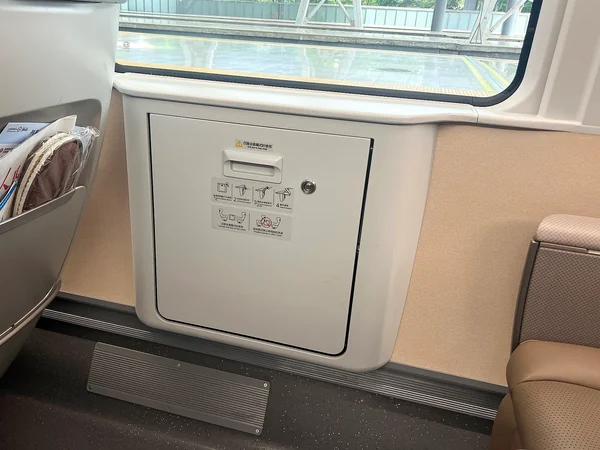
China uses several high-speed and electric multiple-unit train families, so photographs are examples rather than guarantees. The booking result normally shows the available class, while the exact carriage layout, seat direction, power socket position and luggage arrangement can vary. Sightseeing or forward-facing areas exist only on selected equipment and should never be assumed. Choose by the service offered on the date, then check the carriage and seat shown in the confirmed order.
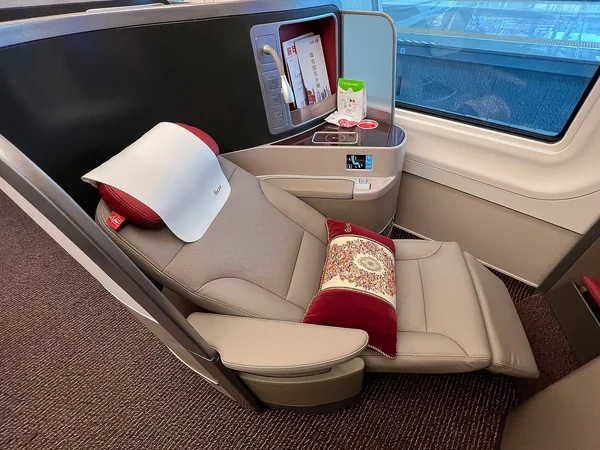
Business class is the most spacious common premium option on many, but not all, G-category services. Seat design ranges from enclosed or shell-style reclining seats to other premium layouts. Availability and onboard service vary by train set and route. It can be useful for a long daytime journey, privacy or additional personal space, but the price difference may outweigh the benefit on a short trip. Confirm that the booking screen actually lists business class for the selected train.
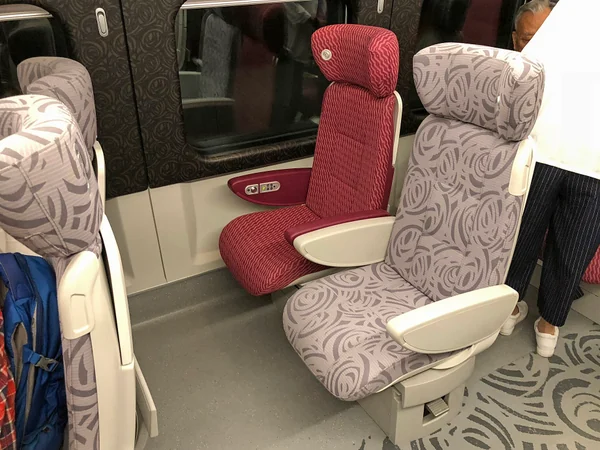
First class generally provides wider seating and fewer seats across each row than second class, creating more personal space without the highest premium. The exact formation and amenities differ, and a seat map may not be offered during booking. This class is often a practical compromise for several hours of travel or for passengers who value a quieter cabin. Keep luggage manageable because premium class does not automatically guarantee space for oversized cases. Continue planning with the China train ticket classes.
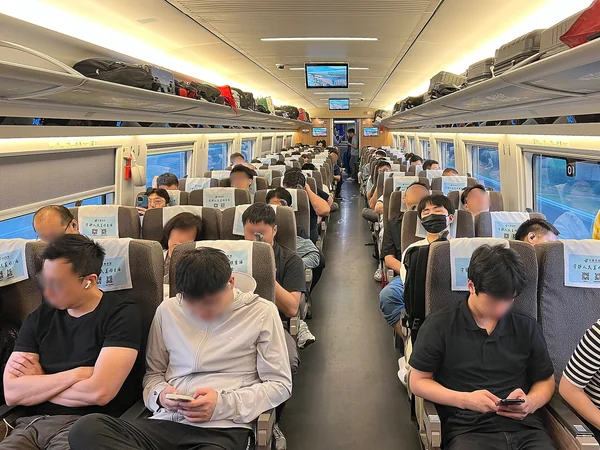
Second class carries most travelers and usually offers the widest availability. A common layout places three seats on one side of the aisle and two on the other, but equipment can differ. Window preference does not guarantee an unobstructed view, and seats may face either direction after a reversal or train-set change. For families, book passengers in one order when possible, then review assigned carriage and seat numbers before departure.
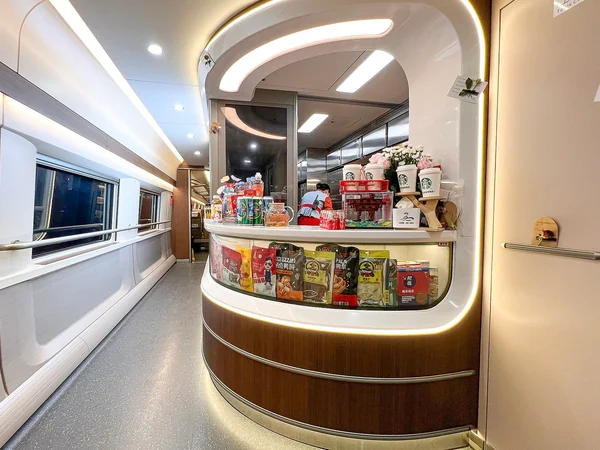
Some trains have a dining or service counter, trolley sales or pre-order options, while other services have a smaller offering. Opening, menu, payment method and delivery options depend on the route and train. Bring water and a simple backup snack for dietary needs, especially on an early or late departure. Hot food with a strong smell is inconsiderate in a shared cabin, and passengers should keep aisles and tables clear.
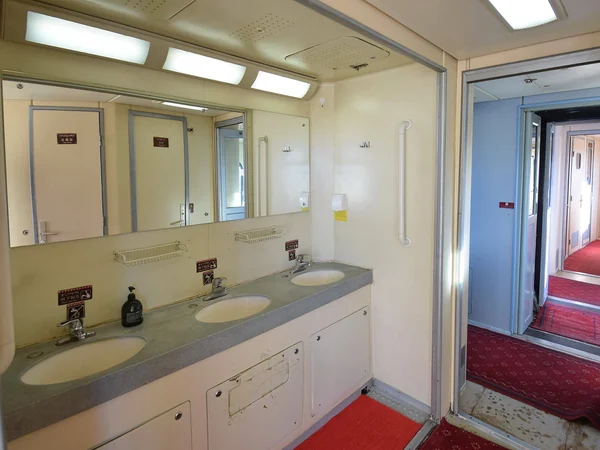
High-speed trains normally provide toilets and washbasins, but the number, style and accessible facilities vary by train set and carriage. An accessible or larger toilet may be near a designated wheelchair space rather than beside every seat class. Ask station staff about mobility assistance before travel and locate the nearest suitable facility after boarding. Keep the identity document, medicine and essential supplies in a small personal bag rather than in a distant suitcase. Continue planning with the first high-speed rail trip checklist.

From on request
From $ 1613