Your China & Yunnan Travel Experts

 Ask a Question
Reviewed August 28, 2026. Hui settlement in Inner Mongolia developed through several periods, including Yuan-era mobility, Ming frontier exchange and larger Qing-era migration by soldiers, merchants, artisans and families. The region's Muslim population is not confined to one district and should not be inferred from a single old census number. Census tables record Hui ethnicity rather than personal belief, while other residents may also be Muslim. Hohhot, Baotou and Chifeng are useful starting points; the Inner Mongolia travel guide helps place them within the region's long distances. Hohhot is the main gateway for many visitors, but local community histories also extend to smaller cities and towns. Use current statistical yearbooks for dated population research and avoid turning ethnic totals into counts of worshippers.
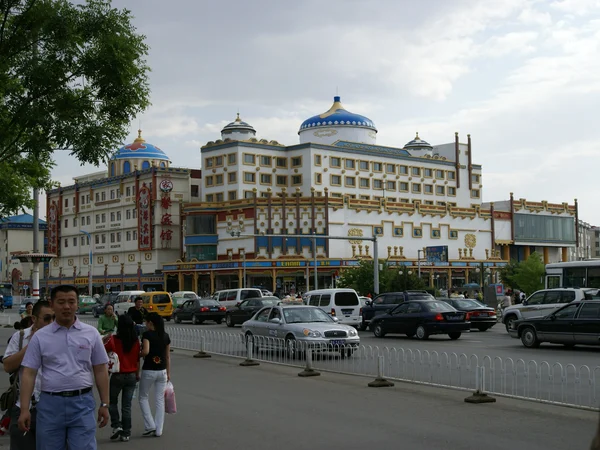
Huimin District lies in western Hohhot and includes the Great Mosque area, halal food businesses and long-established Hui neighborhoods. Community presence also exists in Baotou's Donghe District and other urban centers. Older copy listed a fixed set of “Hui townships,” but administrative names and classifications require current verification. For route planning, confirm the Chinese place name, allow for long transfers and distinguish Inner Mongolia Autonomous Region from the independent country of Mongolia.
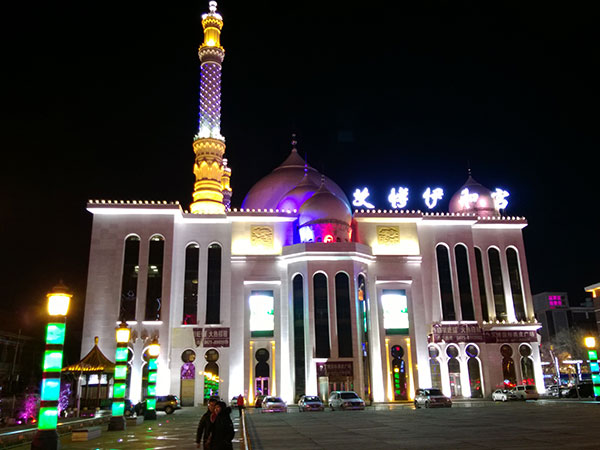
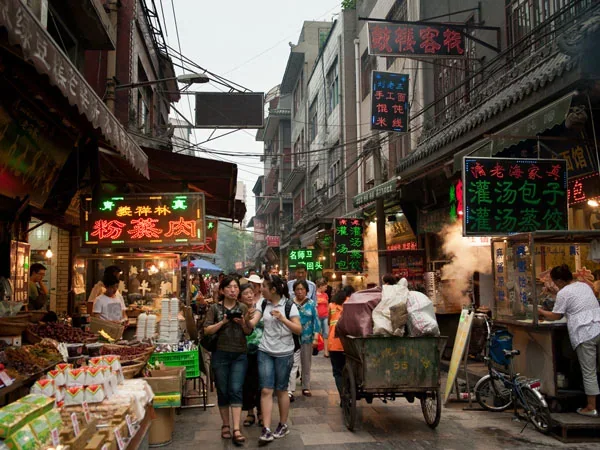
Restaurant names, phone numbers, prices and halal status change too quickly for a permanent directory. Use the China halal food guide to evaluate signage and ingredients, then confirm each venue on a current Chinese map app or with the restaurant. The retained night photograph shows a real Hohhot Muslim restaurant area; it is context, not an endorsement of a specific business.
| City | Area | Useful search zone | What it can offer | Verify before going | Chinese search cue |
| Hohhot | Huimin District | Great Mosque and West Zhongshan Road area | Dense choice of Hui-style beef, lamb, noodles and baked foods | Current halal practice, opening hours and queue time | 呼和浩特 清真大寺 清真餐厅 |
| Hohhot | Xincheng District | Xinhua Street and hotel district | Convenient options near transport and central hotels | Kitchen practice, menu ingredients and last-order time | 呼和浩特 新城区 清真餐厅 |
| Baotou | Donghe District | Baotou Great Mosque surroundings | Local beef, mutton and wheat-based dishes near Muslim heritage | Recent reviews, prayer-time closures and exact location | 包头 东河区 清真寺 清真美食 |
| Chifeng | Urban districts | City-center Hui restaurants | A practical meal stop on eastern Inner Mongolia itineraries | Halal status, branch identity and transport after dinner | 赤峰 清真餐厅 |
Do not rely on an undated total for the number of mosques in Inner Mongolia. Active religious venues, registered names and visitor access can change. The China mosque guide explains courtyard layout and etiquette; local notices take priority. The two retained photographs accurately show Hohhot Great Mosque and Baotou Great Mosque without visible third-party branding.
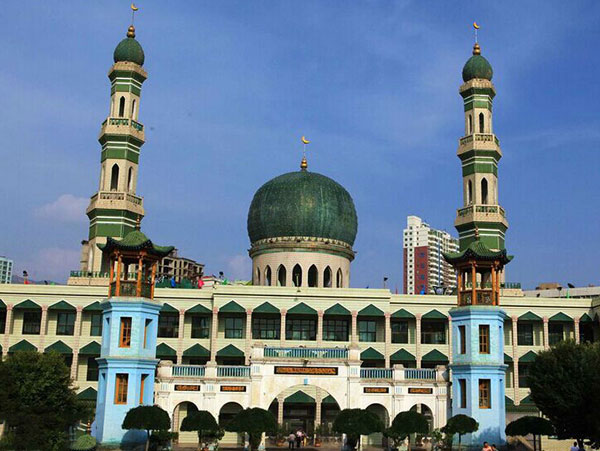
Hohhot Great Mosque is a historic focal point in Huimin District. Sources commonly connect its establishment with the Kangxi era of the Qing dynasty, followed by later rebuilding and repair. Its Chinese-style courtyard, tiled roofs and Wangyue tower reflect local craft alongside Islamic function. Visitors should verify whether the courtyard is open, avoid entering during prayer, dress modestly and ask before photographing people. A heritage label may describe a building phase rather than the date of every surviving component.
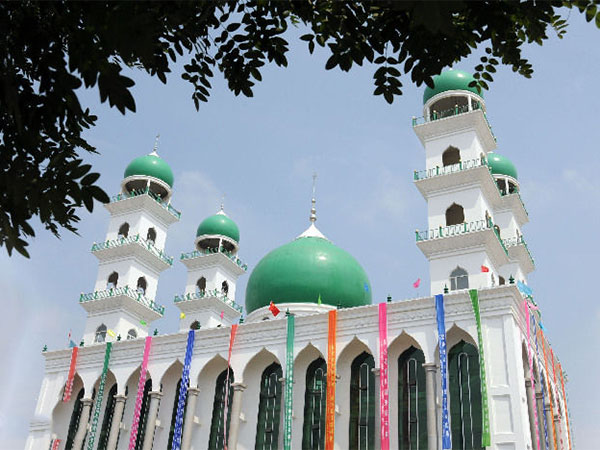
Baotou Great Mosque in Donghe District is another important community landmark with a history associated with Qing-era settlement and later reconstruction. Older copy gave exact area and building totals without a dated source, so those figures are omitted. Treat it first as an active place of worship, not a photo stop: confirm access locally, keep voices low and never photograph a class, worshipper or private room without consent.
From $ 1226
From $ 2183