Your China & Yunnan Travel Experts

 Ask a Question
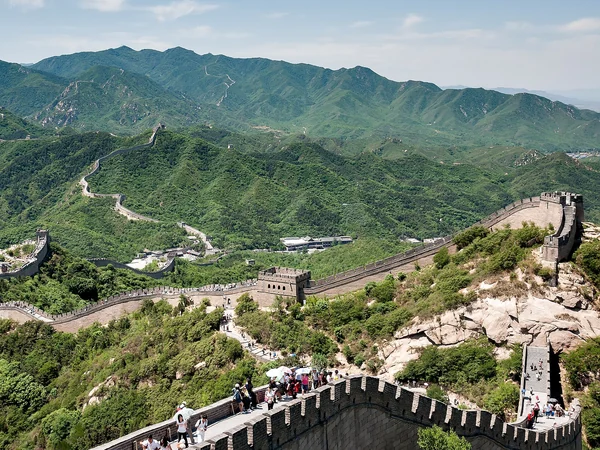
Choosing a Great Wall day trip from Beijing often comes down to Badaling or Mutianyu. Both are restored Ming-era sections with visitor facilities, dramatic ridge views and mechanical ascent options, but they solve different travel problems. Badaling favors transport convenience and defined accessibility; Mutianyu favors wooded scenery and a broader choice of ways up and down. Neither is automatically “better”—the right answer depends on the day you want to have.
| Badaling | Mutianyu | |
| Approximate distance from central Beijing | About 70 km | About 75 km |
| Typical independent access | Rail and direct-bus options | Road-based coach, shuttle or private transfer |
| Mobility profile | Defined barrier-free route; confirm lift operation | Assisted access to a platform; steps remain on the Wall |
| Best fit | Short schedules, transport choice and accessibility | Scenery, a longer visit and multiple ride options |
Badaling can work well when travel time is limited or a group wants alternatives to a private vehicle. Rail and direct bus services may be available, although stations, boarding points and timetables can change. Plan the final walk from the arrival point as carefully as the journey itself. The Badaling cable-car guide explains the assisted ascent choices after arrival.
Rail travelers should distinguish the high-speed station from the suburban S2 service because they use different booking and boarding systems. Both require checking the day's timetable and the station from which the selected train actually departs. Badaling Great Wall station is deep underground and still requires walking, lifts and wayfinding before reaching the scenic entrance. Allow more transfer time than the train duration alone suggests.
Mutianyu has no rail station at the entrance. Visitors generally use a direct coach or road transfer from Beijing. This can be simple when the meeting point and return time are confirmed, but it gives less flexibility if a traveler misses the booked departure.
For either section, verify the current operator, boarding point, luggage policy and return procedure shortly before travel. Old prices and schedules copied from blogs are unreliable planning tools.
Mutianyu's restored wall crosses forested hills and includes watchtowers with changing views along the ridge. The setting often feels less urban than Badaling, especially once visitors walk away from the main arrival area. “More original,” however, is too simple: both sections have restored fabric, and nearby unrestored areas are not automatically open or safe.
Badaling presents a monumental, heavily developed visitor experience and is important in the modern history of Great Wall tourism. Mutianyu usually suits travelers who want scenery, photography and a longer ridge walk without choosing a remote hiking route. Choose experience rather than a claim of authenticity.
Badaling has extensive services, including visitor transport, food outlets and a barrier-free route serving part of the site. Those facilities make it a practical choice for mixed-age groups, but they do not make every tower accessible. Confirm which lifts and entrances are operating before promising a step-free visit.
Mutianyu offers enclosed cable cars, a chairlift and a toboggan system, with different upper and lower stations. These are separate products rather than interchangeable tickets. Use the Mutianyu cable car and toboggan guide to understand the route before choosing a combination. Mechanical ascent can save energy, but the Wall itself still contains slopes and steps.
Badaling's fame and convenient access can produce dense crowds, particularly on national holidays, school breaks and clear-weather weekends. Mutianyu also becomes busy, especially around its cable-car stations, so it should not be described as quiet in every season. Peak dates are published through China's official holiday arrangements
and should be checked for the relevant year. Arriving near opening time on an ordinary weekday can matter more than choosing one famous section over the other. A private day trip can reduce transport uncertainty, but it does not bypass reservation rules, capacity controls or queues inside the scenic area.
Choose Badaling when independent transport choice, a shorter day or a clearly defined accessibility plan is the priority. It is also useful for travelers who want to see the best-known public section and do not mind a highly developed visitor environment.
Choose Mutianyu when wooded scenery, photography, a longer walk or combining cable car and toboggan experiences matters more than rail access. Families should still check height, age and weather restrictions for each ride.
If neither profile fits, compare Jinshanling, Simatai and other alternatives through the Great Wall planning hub. Remote or unrestored sections require different transport, safety and access decisions and should not be treated as casual substitutes.
 3 Days Hike the Great Wall around Beijing 4 Days Best Beijing Tour 5 Days Beijing Family Tour 7 Days Beijing Great Wall Hiking Tour 8 Days Hiking on Great Wall
From $ 389
From $ 509
From on request