Your China & Yunnan Travel Experts

 Ask a Question
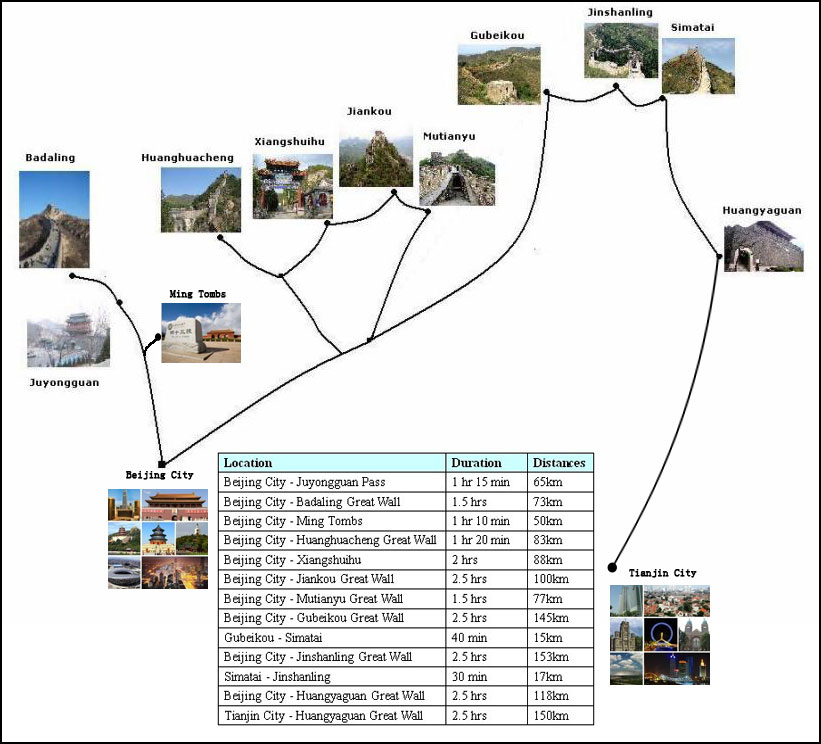
Several well-known Great Wall sections can be reached from Beijing , but they are not interchangeable. The right choice depends on mobility, available time, appetite for stairs, transport certainty and whether the section is officially open. The planning guide below compares their practical differences without treating travel times or facilities as permanently fixed.
For a first visit, a managed section such as Badaling, Mutianyu, Juyongguan or Jinshanling is generally the soundest choice. Unrestored wall may be fragile, restricted and hazardous even when it appears in old hiking blogs.
Use the comparisons to shortlist one section, then confirm current access and transport through the Beijing-to-Great-Wall transport guide.
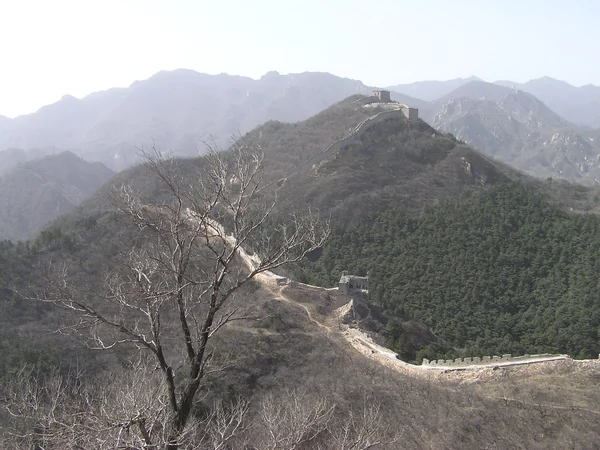
► Best for the widest range of organized transport and visitor facilities.
► Often busy, especially on weekends, public holidays and peak-season mornings.
► Restored routes extend in more than one direction, allowing visitors to choose a shorter or longer circuit.
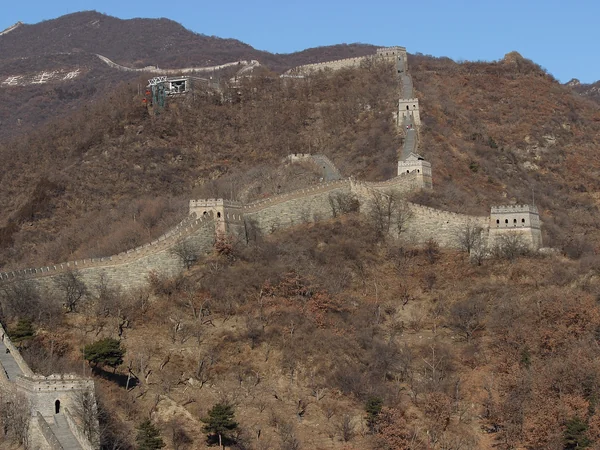
► As one of the earliest sections developed for modern public tourism, its broad ridge views and substantial restoration make the military line easy to recognize.
► Expect commercial services between transport drop-off points and the wall entrance.
► Road and rail journey times vary; leave a buffer for security, shuttles and the return connection.
► Assisted ascent facilities may operate, but the specific route and closures must be checked for the visit date.
► A strong all-round choice for international visitors, families and mixed-ability groups, although the wall still contains many steps.
► Usually feels less concentrated than Badaling, but it can also be busy in high season.
► Forested ridges create attractive seasonal views; haze, rain or winter ice can limit visibility and grip.
► Driving time depends heavily on traffic and the pickup location in Beijing.
► Cableway, chairlift and toboggan arrangements differ by station and operating status; plan the ascent and descent before entering.
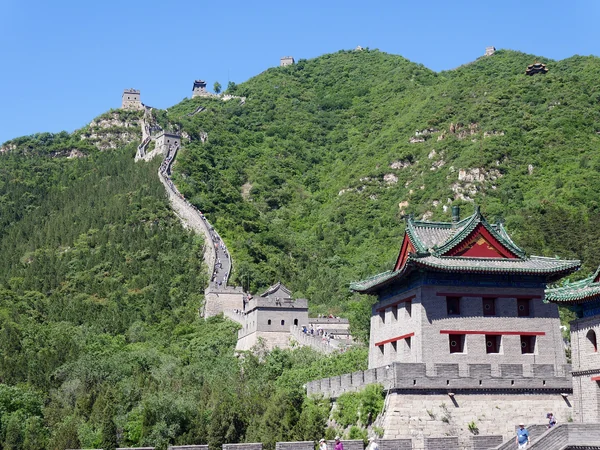
► A fortified valley pass rather than a long outward ridge excursion.
► Relatively close to central Beijing and useful when sightseeing time is limited.
► The enclosed wall circuit has sustained steep stairs, so proximity does not mean an easy walk.
► Accessibility is limited and should be checked for the exact desired viewpoint, not assumed from one ramp or paved area.
► There is no need to force the full circuit; the pass architecture and Cloud Platform can justify a shorter visit.
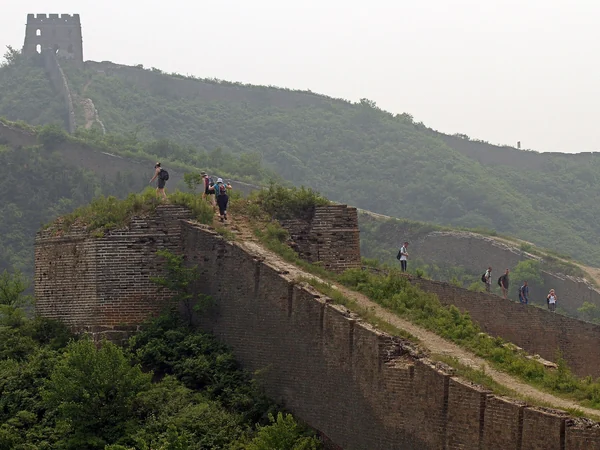
► Jiankou is famous for dramatic unrestored ridges, but it is not a normal public scenic-area hike.
► Loose masonry, exposed drops and route-finding make it unsuitable for casual walkers.
► Old route descriptions may cross areas that are closed or under tighter conservation control.
► Do not use quoted walking times as permission or safety guidance. Terrain, weather and legal boundaries determine the plan.
► A Jiankou-to-Mutianyu traverse should only be considered where current access is explicitly authorized; otherwise choose the managed Mutianyu section.
► There is no dependable public-transport fallback from an unauthorized trail exit.
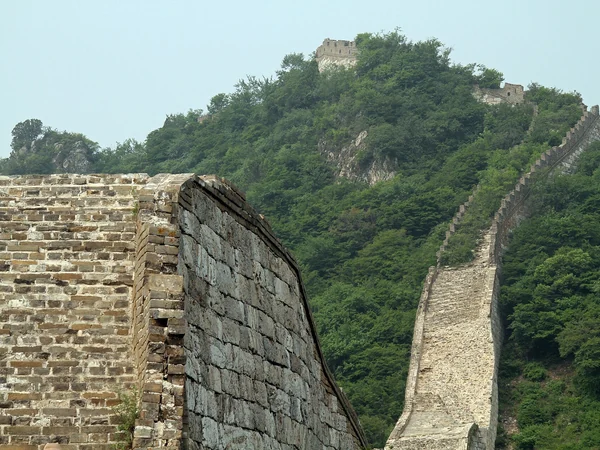
► The wider Gubeikou landscape includes unrestored walls, passes and village approaches with different access conditions.
► Gubeikou-to-Jinshanling descriptions often require a detour around a restricted military area; follow current local guidance rather than an old GPS track.
► Distance and tower counts do not predict difficulty on broken surfaces.
► Arrange a confirmed pickup and a daylight margin.
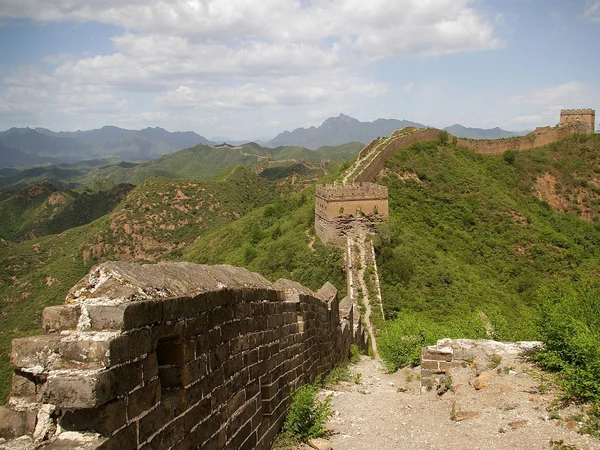
► Jinshanling combines restored and weathered-looking features within a managed mountain setting. Use the recommended Great Wall sections comparison to match scenery with ability.
► It suits active visitors who want longer walking and varied tower architecture.
► Do not assume the historical Jinshanling–Simatai traverse is currently open end to end.
► Simatai uses its own managed access and reservation arrangements.
► Return transport should be confirmed in advance because the site is farther from central Beijing.
► Simatai Great Wall: a steep managed section beside Gubei Water Town, with access rules distinct from Gubeikou and Jinshanling.
► Verify reservation, operating hours and night-tour arrangements on the official channel.
► A Tianjin mountain-pass complex that is more practical as a dedicated day trip than as an add-on to eastern Beijing sites.
► Known internationally for a Great Wall marathon, but ordinary sightseeing and event access are different.
► Suitable for travelers based in Tianjin or those seeking pass architecture and steeper ridge walking.
► Restored and unrestored-looking landscapes coexist; public access does not extend to every visible ridge.
► Arrange return transport and follow the managed boundary.
► Carry a small day bag and keep both hands free on steep stairs.
► Wear shoes with secure grip; trekking poles are useful only where allowed and used safely.
► Carry water and sun or wind protection, but do not depend on vendors being open.
► Thunderstorms, ice, extreme heat and high wind can justify postponing exposed walking; review the seasonal Great Wall planning guide before fixing the day.
► Use toilets before a long wall section and at marked facilities; do not leave the managed path.
► Bring a snack, essential medication and a charged phone, while keeping all litter with you.
From $ 389
From $ 509
From on request