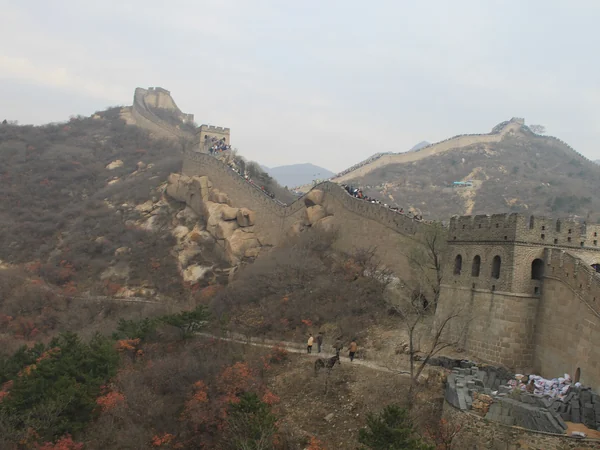
A useful Great Wall packing list begins with the section, season and walking plan. A short cable-car visit at Badaling needs less than a Jinshanling hike, but every visitor should prepare for exposed ridges, steep stone, changing weather and few services once away from the entrance. Use the
Great Wall travel-tips hub to choose the route before filling the bag.
First: Clothing and Footwear
Great Wall sections around Beijing experience hot, humid summer days, cold and windy winters, and rapid changes during spring and autumn. Conditions on the ridge may feel cooler or windier than central Beijing. Check the local forecast for the specific section and pack layers that can be added or removed without stopping for a complete change of clothes.
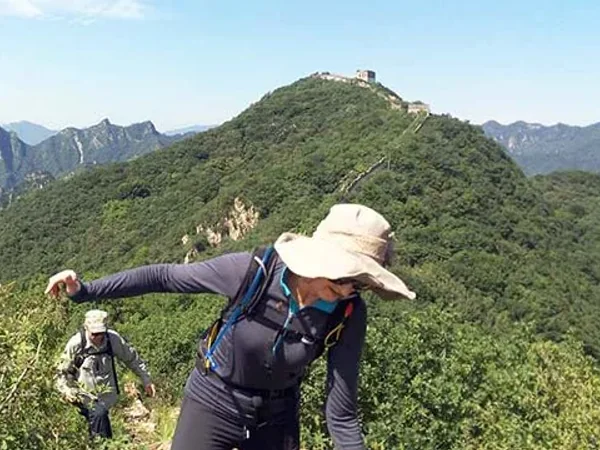
Wear moisture-managing base clothing and carry a light insulating or wind-resistant layer when conditions warrant it. In summer, choose breathable coverage rather than relying only on shorts; sun exposure is sustained on open ridges. In winter, use warm layers, gloves and a hat, but avoid clothing that limits movement or makes steps hard to see.
Choose closed shoes with dependable grip and a secure heel. Restored sections still have polished paving, steep ramps and uneven steps; sandals, loose slip-ons and high heels reduce stability. New hiking boots can cause blisters, so use footwear already tested on a long walk. Hiking poles can help on some routes but must be controlled in crowds and may be restricted by transport or site rules.
Carry sun protection, a compact rain layer and any personal essentials that would be difficult to replace at the site. A hat, sunglasses and sunscreen are useful in clear weather; a waterproof shell is safer than an umbrella on a windy ridge. Check the
Great Wall seasonal guide for weather trade-offs.
Keep the day pack light enough to climb safely. Bring a charged phone, offline Chinese destination name, reservation details, passport if required for booking, a small power bank and basic personal medication. Secure loose straps and do not bring drones or other equipment without confirming current local rules.
Second: Food and Drink
Carry enough water for the planned duration and drink according to comfort, weather and exertion rather than following a rigid universal quantity. Pack compact food that tolerates heat and will not create messy waste. Developed entrances may sell drinks and snacks, but availability and prices vary; remote walking routes can have no reliable supplies. Toilets are generally concentrated around visitor facilities, so note their location before ascending. For a longer hike, add an emergency snack, blister care and a simple first-aid kit appropriate to the group's normal needs. Carry all rubbish back to a bin and avoid placing food, stickers or markings on the historic structure. Travelers planning a demanding route can compare logistics with the Great Wall hiking itinerary without treating a tour page as a substitute for current site notices.

 Ask a Question