Your China & Yunnan Travel Experts

 Ask a Question
Silk Road goods moved through relay trade, regional markets and political gift exchange rather than mostly traveling from East to West in one caravan. Trace silk specifically in the silk trade guide, understand the people involved through the Silk Road merchants guide, and check common assumptions in the Silk Road facts guide. Horses, camels, mules and human porters all served particular environments.
Goods frequently changed owners, packaging and transport mode. Surviving textiles, coins, glass, ceramics and documents provide stronger evidence than a fixed master list. Ideas, artistic motifs, languages, technologies and religions also moved through human contact, but they were not commodities in exactly the same way as a bolt of cloth or a vessel.
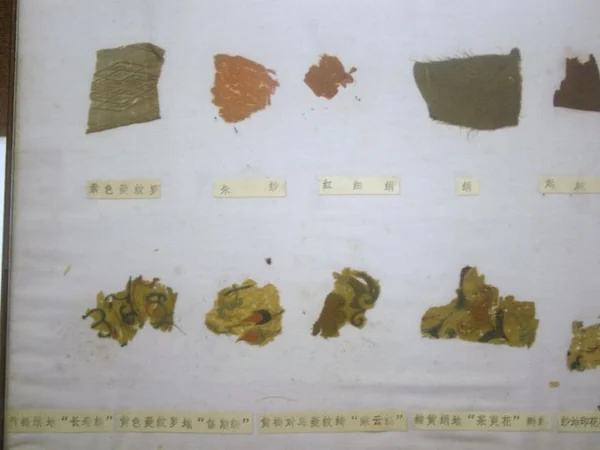
Silk
Silk was important as clothing, elite display, diplomatic payment and a compact high-value material. The familiar legend of a cocoon falling into an empress's tea is cultural tradition, not an archaeological explanation for the origins of sericulture.
Chinese production knowledge developed over long periods, while finished silk traveled through courts and merchant networks. Demand varied by place and century; the modern name “Silk Road” should not make silk the only cargo.
Trade and diplomacy interacted with Han expansion, but the state did not simply build a safe corridor for private caravans. Garrisons, alliances, taxation and conflict all shaped movement.
Beyond Silk
Other Chinese exports included textiles, lacquerware, metal objects, paper and ceramics. Porcelain became especially important in later periods, and its chronology should not be projected unchanged back onto the early Han network.
Museum objects can reveal technique and origin when their archaeological context is known. A familiar material such as paper or lacquer may be more historically informative than a spectacular but poorly documented “treasure.”
Lists that combine tea, rice, coral, wool and precious metals across two thousand years need dating. Ask which period, region and source supports each item instead of assuming simultaneous trade.
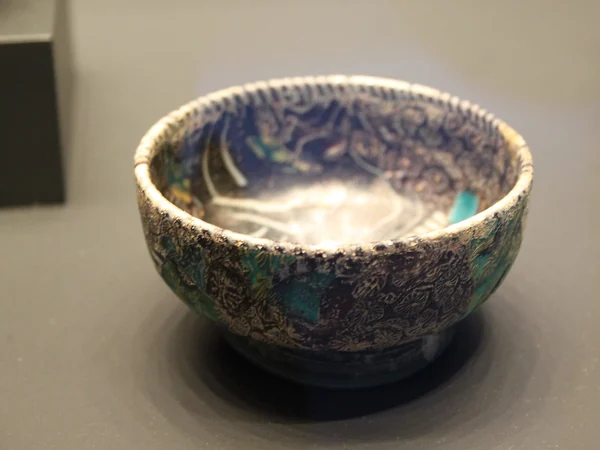
Horses, glassware, metalwork, textiles, gemstones and agricultural products reached Chinese markets through different Central and West Asian connections. Imported objects were sometimes copied, adapted or given new meanings in China.
Plants and animals also moved, but individual origin stories can be complex. Museum labels, archaeobotanical evidence and dated texts are more reliable than a simple list of “foreign” fruits. The most useful conclusion is not that everything traveled everywhere; it is that repeated exchange changed production and taste on both sides.
From $ 3510
From $ 3061

From $ 3683