Your China & Yunnan Travel Experts

 Ask a Question
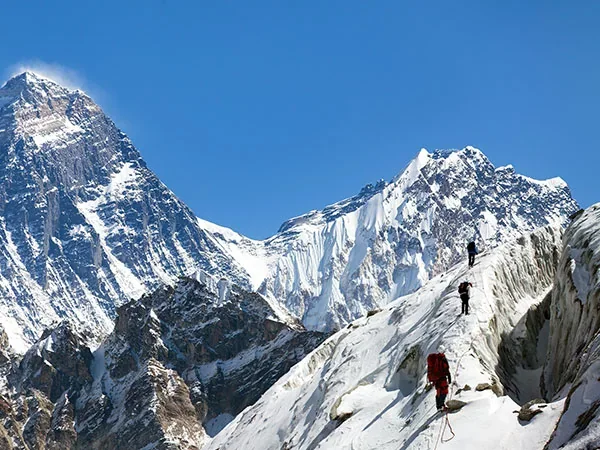
The “death zone” is the widely used mountaineering term for elevations above about 8,000 metres, where oxygen pressure is too low for the human body to acclimatize adequately for prolonged exposure. On Mount Everest, both standard routes enter this zone before the summit.
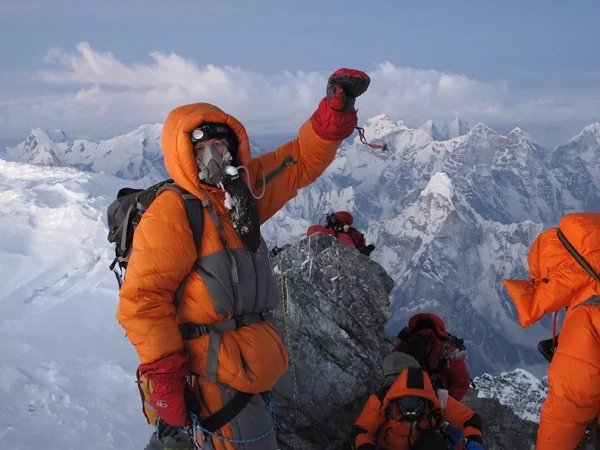
Severe hypoxia reduces physical power, coordination, vision and judgment. Tasks that are routine at lower camps—changing gloves, clipping a carabiner or checking an oxygen connection—become slower and easier to perform incorrectly.
Cold and wind increase heat loss while dehydration, sleep deprivation and exhaustion reduce resilience. Frostbite or hypothermia may begin before a climber recognizes the seriousness of the situation.
Time is another hazard. A delay on fixed ropes or a late summit push consumes oxygen and daylight while keeping the climber exposed at extreme altitude. Turnaround time therefore matters even when the summit appears close.
Supplemental oxygen can improve function but does not reproduce sea-level conditions. Masks can ice, regulators can malfunction and cylinders can be consumed faster than planned. The effects of equipment failure are covered with the wider Everest risk groups.
Helicopter rescue is generally not a dependable upper-mountain option. Severe wind, thin air, terrain and landing limitations mean that injured climbers may rely on teammates and other climbers for a difficult descent.
What Happened in the Death Zone?
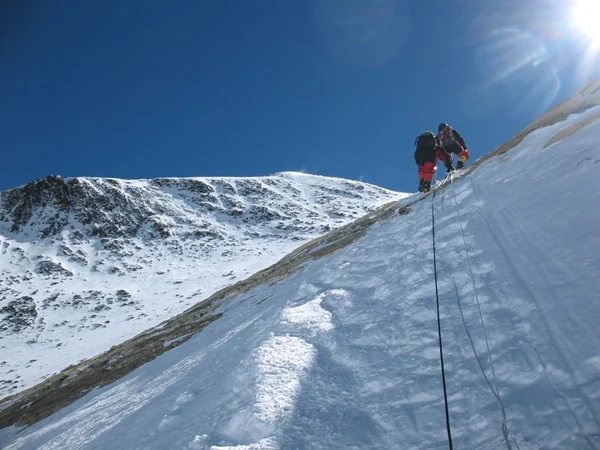
Bodies can remain on the mountain because recovery at extreme altitude may expose rescuers to unacceptable danger. Snow movement and route changes can later conceal or reveal remains, so a historical “landmark” description should not be treated as current navigation information.
Fatalities should be discussed with respect, not used as tourist spectacle. Names, photographs and circumstances may affect families and teammates, and incomplete reports can turn a complex accident into a misleading morality story.
Common contributing factors include late turnaround, worsening weather, exhaustion, falls, illness, oxygen-system problems and delays. Accident analysis should distinguish confirmed evidence from inference.
Summit-day decisions are made under impaired cognition. Pre-agreed oxygen reserves, buddy checks, radio procedures and descent triggers reduce dependence on judgment made at the moment of maximum hypoxia.
HAPE, HACE, severe frostbite, hypothermia and underlying illness can become fatal. Symptoms or performance decline require action; determination cannot reverse physiology.
The practical lesson is not that tragedy is inevitable, but that margins must be established before entering the zone. Route, weather, oxygen and rescue plans need conservative thresholds.
No online article can qualify a person for this environment. Independent medical assessment, extensive prior high-altitude experience, an authorized expedition and the staged plan in the Everest preparation guide are prerequisites for a serious decision.
From $ 1637
From $ 3179