A Mount Everest packing list must be issued and checked by the expedition operator for the approved route, season and role. The framework below helps a climber ask better questions; it cannot replace equipment training, medical advice or the full preparation sequence in the
Everest preparation guide.
Essential Equipment:
Supplemental-oxygen cylinders, mask and regulator must follow the expedition's flow plan, cache locations and backup allocation. Climbers need hands-on practice with the exact system; a universal “five to seven bottles” rule is unsafe.
Sleeping system, expedition-rated mats, duffels and waterproof organization should match the expected camp temperatures and porter or yak logistics. Every critical item needs a known place so it can be found with gloves in darkness.
Communications may include team radios, satellite devices, spare batteries and emergency-location tools approved for the region. Devices must be programmed, charged, weatherproofed and practiced before departure.
Headlamps, power banks, repair materials, personal hygiene items, waste bags and sun protection complete the core system. Cold shortens battery life, so keep spares warm and separate from any single point of failure.
Climbing Apparatus:
Technical equipment can include an ice axe, crampons, harness, helmet, ascender, descender, locking and non-locking carabiners, slings and trekking poles. Exact models must be compatible with the fixed-rope system and the climber's gloves and boots.
Inspect, label and practice every item. Improvised compatibility on the mountain can create cross-loading, unclipping or descent errors. The hazard context in the
Everest dangers guide explains why redundancy and technique matter.
Clothing:
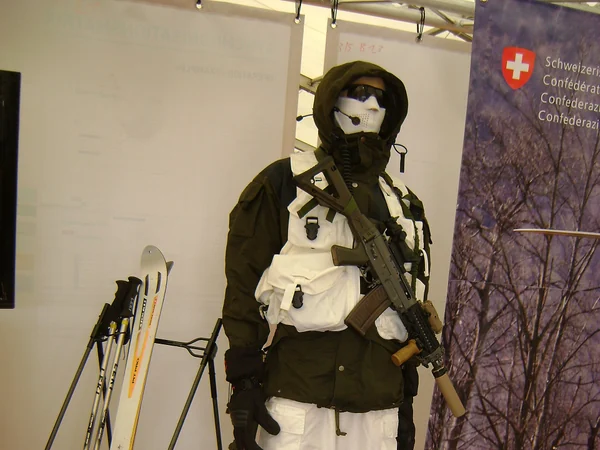
High-altitude double or triple boots should fit with the intended socks without restricting circulation. Break them in during real training and confirm crampon compatibility.
Use a moisture-management base layer and avoid cotton next to the skin. Carry dry sleep layers in a protected bag rather than relying on wet clothing to dry overnight.
Mid-layers can combine fleece and synthetic or light down insulation. The system should allow adjustment during movement without exposing bare hands for long periods.
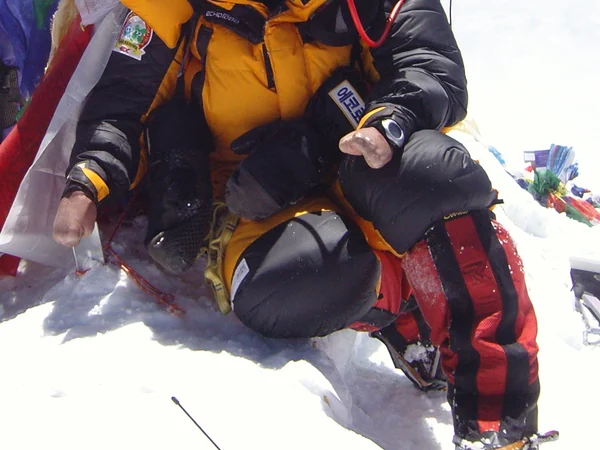
An expedition down suit or high-altitude parka and insulated trousers must match the summit plan and expected conditions. Fit should allow movement over all lower layers.
A sun hat, neck covering and high-SPF sunscreen protect against intense ultraviolet exposure at altitude.
Use a balaclava, face covering and oxygen-mask interface that have been tested together; gaps and pressure points can cause cold injury.
Carry warm hats that fit under the helmet without disrupting its adjustment.
Build a glove system with liners, insulated gloves and expedition mitts. Practice clipping, radio use and oxygen adjustments in the full system.
Critical clothing needs protected redundancy, but “two of everything” is too simplistic. Prioritize failure consequences, weight, camp caches and the operator's resupply plan.
Medical Kit
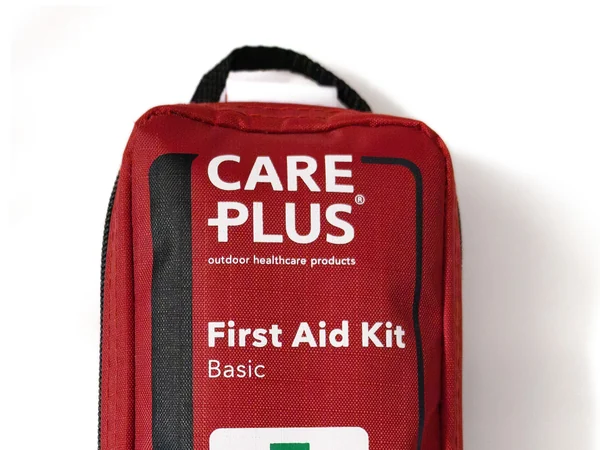
Personal prescriptions: bring the legally permitted supply in original packaging, with a medical summary and enough contingency for delay.
Expedition medical kit: the team clinician or medical lead should specify shared drugs, oxygen, monitoring and trauma supplies; individuals should not duplicate or self-administer them without instruction.
Prescription medicine: pack only what your clinician has approved for your health history and expedition plan. Keep written instructions with the team medical information rather than relying on a generic online checklist.
Pain and fever relief: choose only products that are safe for the individual and do not mask symptoms that the medical lead needs to assess.
Gastrointestinal and rehydration supplies: include oral rehydration materials and operator-approved treatment, with a clear plan for persistent vomiting or diarrhea.
Wound care: dressings, blister supplies, antiseptic and tape should be compatible with cold conditions and gloved use.
Cold injury response: prevention is primary. Suspected frostbite or hypothermia requires the expedition protocol, not unplanned field medication.
Sun, eye and skin protection: category-appropriate glacier glasses, goggles, lip protection, sunscreen and skin care reduce predictable exposure injuries.
Carry allergies, conditions, emergency contacts and insurance details in a form the team can access. Never conceal a health issue to avoid being removed from the expedition.
Food
Energy needs are high while appetite often falls. The food plan should combine familiar carbohydrate-rich meals, protein, fats, snacks and fluids that the climber has already tolerated during cold training.
High camps usually depend on lightweight, quick-cooking foods and drinks. Packaging, stove fuel and melting-snow requirements belong to the shared logistics plan, not only the personal duffel.
Test food, bottles, stove handling and glove use before departure. Final packing should end with a named-item inspection against the operator's checklist and the route conditions in the
Mount Everest expedition hub.

 Ask a Question