Your China & Yunnan Travel Experts

 Ask a Question
Xinjiang is vast, and a route that looks compact on a national map can involve long rail journeys, flights or full driving days. Plan around a small number of regional bases rather than collecting distant landmarks. Urumqi is a transport hub; Turpan offers oasis history and earthen cities; Kashgar provides a different urban and cultural setting; mountain and desert excursions require additional road time. The Xinjiang destination guide helps match places to interests before booking transport. Spring and autumn can be comfortable in some basins, but conditions vary sharply with altitude and latitude. Summer heat can be intense around Turpan, while mountain areas remain cooler. Winter brings cold and shorter daylight, though city services continue. Check the specific city and excursion rather than using one forecast for the whole region. Dry air, strong sun and wind are common considerations. Carry water, sun protection and layers; people with health concerns should seek individualized medical advice. Public access and local procedures can change. Keep passport details consistent with bookings and follow current instructions from transport and site operators. Build buffer time around long transfers, especially when a missed connection would affect a flight or reserved attraction.
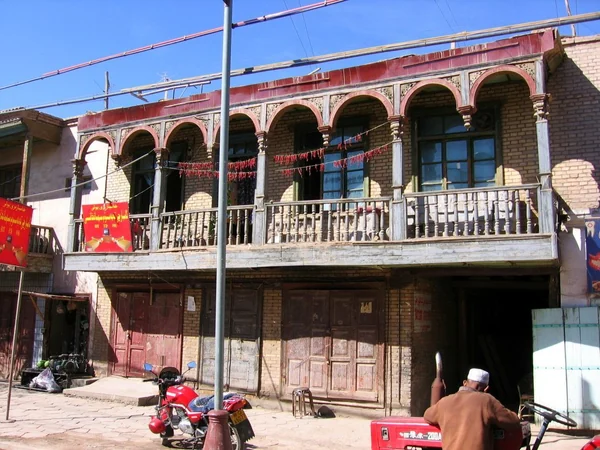
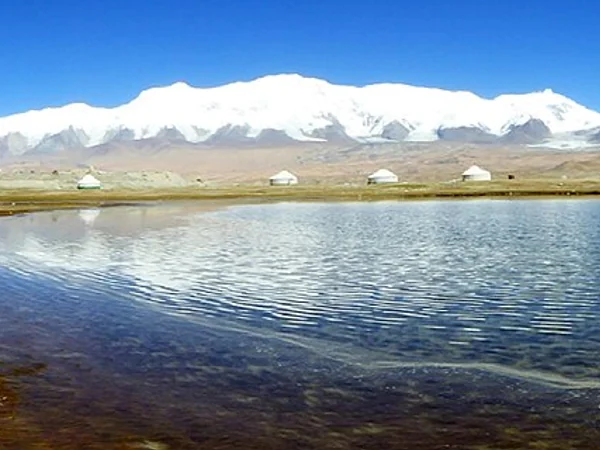
A first journey often works best as Urumqi–Turpan, Kashgar and one carefully selected mountain or desert excursion. The Silk Road planning guide explains how to connect these stops with Gansu and Xian. Karakul Lake and the Karakoram Highway involve higher altitude and extended road travel. Weather, road conditions and access arrangements should be confirmed close to departure. A Taklamakan crossing is not a casual add-on. It requires a suitable vehicle, a realistic driving plan and current local arrangements.
When days are limited, one well-paced oasis region provides more understanding than several distant stops seen only through a vehicle window.
Xinjiang's food reflects several regional and community traditions. Common dishes may include noodles, rice, grilled meat, breads and seasonal fruit, but ingredients and preparation vary. Travelers with dietary restrictions should describe the specific ingredient or preparation they avoid. “Vegetarian” can be interpreted differently, and shared cooking oil or stock may matter. Ask before photographing people, market stalls or private interiors. A purchased item does not automatically include permission for a portrait. At mosques and other active religious sites, observe posted access, dress and photography rules. Visitor arrangements may differ by location and time. Use respectful, precise language about Uyghur, Kazakh, Han and other communities; no single custom represents everyone in Xinjiang.
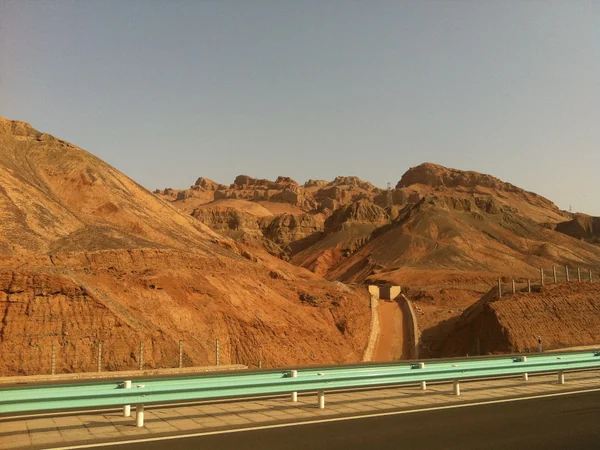
Flights and trains link major cities, while many attractions remain a road transfer from the station. Confirm the arrival station and driving distance before choosing a service. Use the official railway sales channel or a reputable booking service and enter passport names exactly. Ticket and security procedures can change. Mobile coverage is strongest in cities and transport corridors; remote valleys and deserts may have gaps. Save addresses, hotel details and essential translations offline. Carry more than one payment method. Mobile payment is widespread, but card acceptance and foreign-account setup vary; some cash remains useful for small purchases. For a destination sequence based on real travel time, compare the major Silk Road stops.
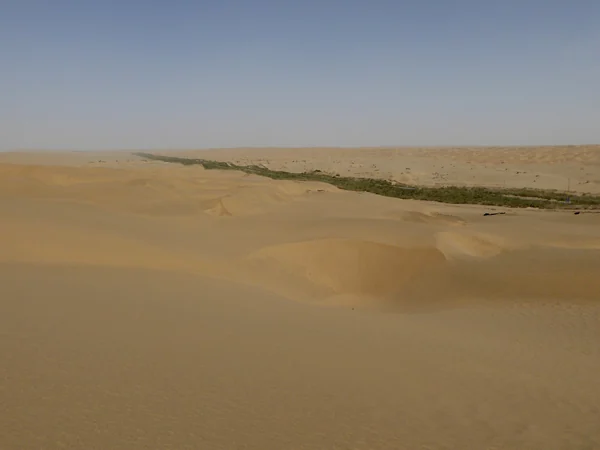
Pack adaptable layers, comfortable footwear, sun protection and any regular medication in original packaging. Check airline and railway restrictions before packing tools, sprays, batteries or liquids. Earthen ruins and desert surfaces are fragile. Stay on authorized routes, do not climb walls, and never remove pottery fragments, stones or plant material.
High-quality travel photography should show more than one stereotype: match each image to the actual city, landscape or community described.
A workable Xinjiang journey leaves time for museums, local neighborhoods and rest, not only long drives between viewpoints.
From $ 3510
From $ 3061
From $ 3683