Your China & Yunnan Travel Experts

 Ask a Question
Rail is useful for many Chinese Silk Road segments because it links major cities without airport transfers, but it is not automatically the best choice for every distance. Compare total journey time, daytime scenery, overnight comfort, station location and the next hotel before choosing. Use the route guide for geography, the China transportation guide for national context, and the high-speed rail guide for train types and station procedures. Build the trip around confirmed city pairs, not a general railway diagram. High-speed and conventional services may use different stations, and the station named after a city can still be far from the hotel or attraction. An overnight train can save a hotel night but may reduce sleep and leave the arrival day unsuitable for intensive sightseeing. A flight may protect time between Urumqi and Kashgar, while rail can be more efficient on selected Hexi Corridor segments. Keep one booking record for each traveler and check how the current system handles foreign passports, ticket changes and document inspection.
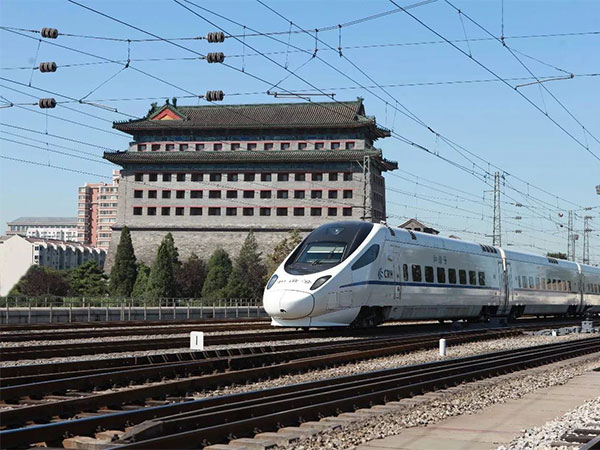
Modern railways follow useful east–west corridors but do not reproduce one ancient path. Xian, Lanzhou, Xining, Zhangye, Jiayuguan, Dunhuang-area stations, Turpan, Urumqi and Kashgar require different service types and sometimes different station choices. Check the dated official timetable before treating any city pair as direct.
• Xian is a strong rail gateway, but distinguish Xian North from other stations and allow transfer time from the hotel.
• Urumqi is Xinjiang's principal rail hub; long-distance services can sell out and overnight comfort depends on the exact train and berth.
• Kashgar, Turpan and corridor cities are rail-connected in the wider network, yet some journeys are long enough that a flight may protect sightseeing time.
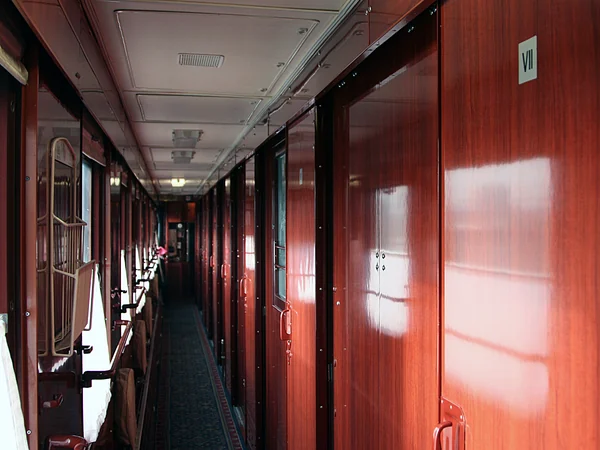
• Book with the passport name and number exactly as required by the current China Railway process. Use the official 12306 China Railway channel
or a reputable service, then recheck the departure station; ticket-release windows and identity rules can change.
• For an overnight journey, compare hard sleeper, soft sleeper and available newer products by privacy, berth arrangement and accessibility. Carry water and a modest meal, but do not assume onboard catering will match dietary needs throughout the trip.
• Keep tissues, hand sanitizer, prescribed medicine, a charging cable and a light layer in the day bag. Large luggage should remain manageable through security, platforms and stairs, and every item must comply with current railway restrictions.
From $ 3510

From $ 3061

From $ 3683


