Your China & Yunnan Travel Experts

 Ask a Question
 Tibetan religious architecture includes temples, monasteries, assembly halls, colleges, retreat spaces, stupas, residences, libraries, workshops and ritual routes. These are not interchangeable building types: a monastery is a living institution, while a stupa may be a reliquary or commemorative monument and a temple may exist within a larger complex. Reviewed August 29, 2026.
The best way to read a site is to connect plan, material and use. Thick rammed-earth or masonry walls answer climate and structure; timber frames create halls and galleries; courtyards manage light and movement; murals, sculpture and textiles establish sacred programs. The Potala Palace, Jokhang Temple and Norbulingka form one UNESCO World Heritage ensemble, but their functions and construction histories differ.
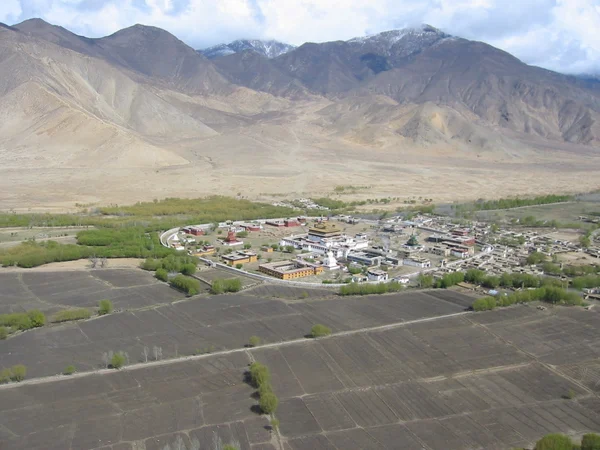
Jokhang and Ramoche are associated with seventh-century Lhasa, while Samye is conventionally linked to the first fully established Buddhist monastery and ordained community in the late eighth century. Later revivals and new schools supported complexes such as Sakya, Tsurphu, Ganden, Drepung, Sera and Tashilhunpo. Dates in religious chronicles, inscriptions and modern reconstruction records do not always describe the same building phase, so a foundation legend should not be presented as the date of every wall visible today.
Twentieth-century destruction, abandonment, repair and rebuilding changed many sites. Conservation after the 1980s restored worship and teaching as well as buildings, yet a reconstructed roof or repainted hall is not automatically evidence that all fabric is ancient. Responsible interpretation identifies what is documented, what is traditional memory and what is a later intervention.
Approach and circulation. A sacred route may begin outside the gate and continue clockwise around walls, stupas or chapels. Follow local signs and worshippers without blocking prostration paths.
Assembly and teaching spaces. The main assembly hall, chapels and monastic colleges support prayer, debate and study. A courtyard that looks empty to a visitor may be an active ceremonial or teaching space.
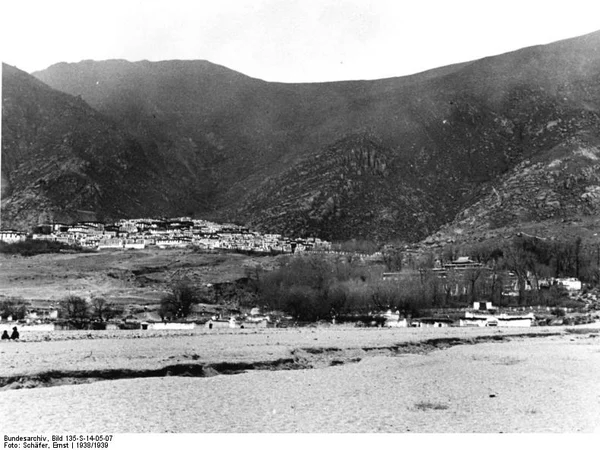
Service spaces. Kitchens, storehouses, printing rooms and residences explain how a large institution functions. They are not automatically open to tourists, and the presence of historic tools does not make them souvenir workshops.
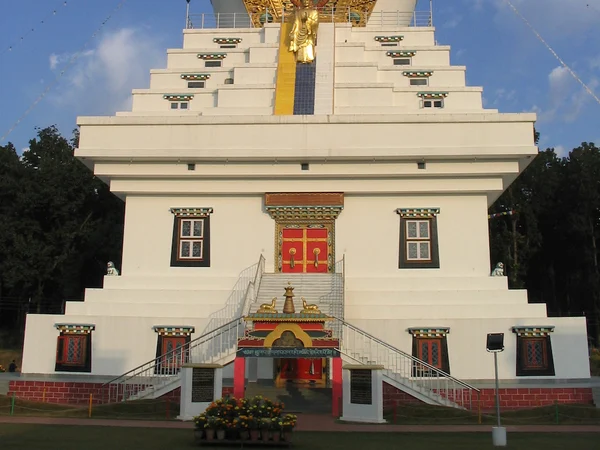
Material evidence. Stone, rammed earth, timber, aga floor finishes, pigments and gilded metal weather differently. Never touch murals, lean on columns, use flash where prohibited or enter a scaffolded conservation zone.
Power and patronage. Monasteries historically participated in education, landholding, administration and regional economies, but unsupported totals for estates, population or property should not be repeated as universal facts. Institutions differed by period and place.
Visitor decisions. Check timed tickets, identity rules, steps, altitude and active ceremonies. Dress conservatively, remove hats when asked, keep voices low and request consent before photographing people. For a contrasting palace-garden setting, continue to the Norbulingka guide.