Your China & Yunnan Travel Experts


 Ask a Question
Kunqu, also written Kun Qu, developed from musical and theatrical traditions around Kunshan in the lower Yangtze region. The form matured during the Ming period and exerted wide influence on later Chinese opera, including Peking opera. UNESCO proclaimed Kun Qu Opera a Masterpiece of the Oral and Intangible Heritage of Humanity in 2001; it was incorporated into the Representative List in 2008. This is different from claiming that UNESCO first “declared” it on one day in Paris.
Characters of Kunqu Opera
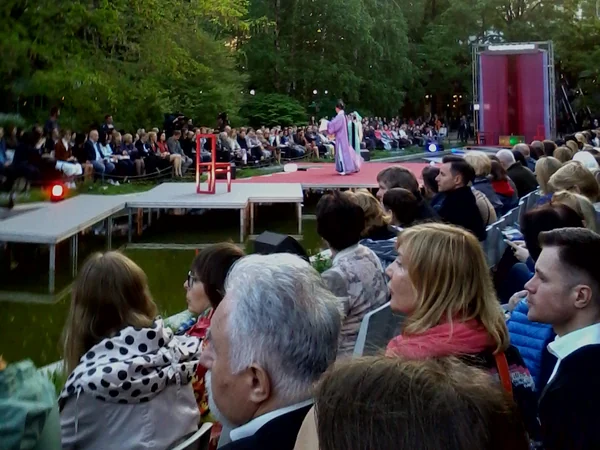
Kunqu is known for closely integrated singing, poetic text, gesture and dance-like movement. Refined does not mean uneventful: martial scenes, comedy and dramatic conflict also belong to the repertory. For a first performance, follow the relationship between vocal line, sleeve movement and the actor's path across the stage instead of trying to translate every word.
Kunqu Opera: The Peony Pavilion
Musical Instruments
The dizi, or transverse bamboo flute, is a characteristic melodic instrument in Kunqu accompaniment, joined by strings and percussion according to scene and ensemble. The flute's bright, flexible line supports the sung melody, while drums and clappers mark movement and rhythm. Instrumentation has evolved; a current troupe's orchestra should be described from its program rather than contrasted through a claim that Kunqu uses no strings.
Development
Early Kunshan melodies belonged to a wider southern musical environment. The stage form familiar today emerged gradually through performers, writers and musicians, not as a complete genre in the late Yuan. Its connection with literati drama helped preserve sophisticated texts while also requiring training in pronunciation, tune patterns and movement.
Wei Liangfu is traditionally credited with major sixteenth-century refinements to the Kunshan singing style. Later playwrights and companies brought this music into full dramatic performance. Long and short lyric lines follow established tune patterns rather than a simple rule of seven or ten characters, and accompaniment can include flute, strings, drums and clappers.
The Peony Pavilion
Roles of Kunqu Opera
Kunqu uses role categories such as sheng, dan, jing, mo and chou, with subdivisions that vary by troupe and repertory. Roles organize vocal register, age, temperament, movement and costume. English labels such as “male” or “clown” are useful starting points but do not convey the full technical specialization.
Sheng subdivisions can include older, young and martial male roles, while dan roles cover several female character types. Names and boundaries changed historically. First-time viewers should identify the main character and dramatic relationship from a synopsis, then observe how posture and vocal delivery distinguish roles.
Stage Make-Up of Kunqu Opera
Some jing and chou roles use patterned makeup, while many sheng and dan roles rely more on refined facial styling and costume. Color meanings overlap with other opera traditions but are not a universal code. Design, role and story must be read together.
Red, black, white, blue, green and metallic colors can contribute to characterization, yet one hue does not always equal one moral trait. Kunqu's influence on later theatre includes elements of performance and visual vocabulary, but Peking opera makeup should not be described as a direct copy of a single Kunqu system.
Kunqu has exceptional literary value because many plays preserve sophisticated poetry and drama. Love stories are prominent, but political, comic, historical and moral themes also appear. Martial movement is present even if a lyrical scene is the most common introduction for visitors. Representative works includeThe Peony Pavilion,The Palace of Eternal Youth, andFifteen Strings of Cashamong other plays. English titles and excerpt lengths vary, so confirm which scene is being performed. In Suzhou, combine theatre planning with the city's major sights, use the Grand Canal guide to understand the Jiangnan setting, and check seasonal planning for Suzhou. Tickets, surtitles and demonstration schedules change; verify them for the travel date.
Kunqu Opera