Your China & Yunnan Travel Experts


 Ask a Question
These five monumental complexes represent different kinds of authority, belief and commemoration. The Forbidden City and Shenyang Imperial Palace were imperial residences; the Potala combined political, religious and residential functions; Chengde was a Qing imperial resort; and Qufu's Confucian Temple is a ritual complex, not a palace.
Keeping those distinctions makes the list more useful than a simple ranking. Compare plan, function, material, landscape and conservation history, then choose sites that fit a coherent route.
At the center of Beijing, the Forbidden City served as the principal imperial palace of the Ming and Qing dynasties. Construction of the Ming palace took place from 1406 to 1420, and later repairs and rebuilding are part of the complex's history.
The site is best understood as a sequence. Outer courts supported major ceremonies; inner areas contained residential and administrative spaces; gates and courtyards controlled movement along and beside the central axis. Roof form, platform height and access expressed hierarchy. The page on traditional Chinese palatial architecture explains how timber frames and open courts work together.
Reserve according to current Palace Museum rules and bring the identification required by the booking. Exhibitions rotate, and not every courtyard is open every day.
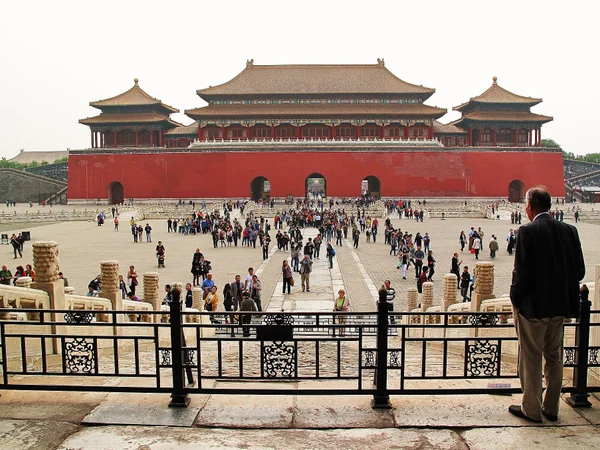
The Potala Palace rises above Lhasa on Red Mountain. The surviving complex took shape mainly from the seventeenth century and includes the White Palace, Red Palace, chapels, tombs and administrative or residential spaces.
Its importance is inseparable from Tibetan Buddhist history and the former government of Tibet. It should not be described merely as a castle or a collection of treasures. UNESCO recognizes the Potala together with Jokhang Temple and Norbulingka within its Lhasa ensemble.
Altitude, timed entry, stairs and interior photography restrictions require planning. Review the current Tibet travel guidance, and consider a four-day Lhasa itinerary that allows acclimatization rather than treating the palace as an arrival-day stop.
The Chengde Mountain Resort in Chengde, Hebei, was developed for Qing emperors as a summer residence and a setting for government, reception and ceremony. Palace compounds, lakes, plains and wooded hills form one extensive cultural landscape.
The resort cannot be read as a decorative “backyard” to Beijing. Its architecture and surrounding temples relate to Qing imperial geography and relations with different peoples across the empire. The enclosing wall follows varied terrain, but should not be presented as a substitute for the Great Wall.
The site is large; choose between palace areas, lakeside gardens and longer walking routes according to time and mobility. A Beijing and Chengde tour makes the historical relationship clearer than a rushed same-day comparison.
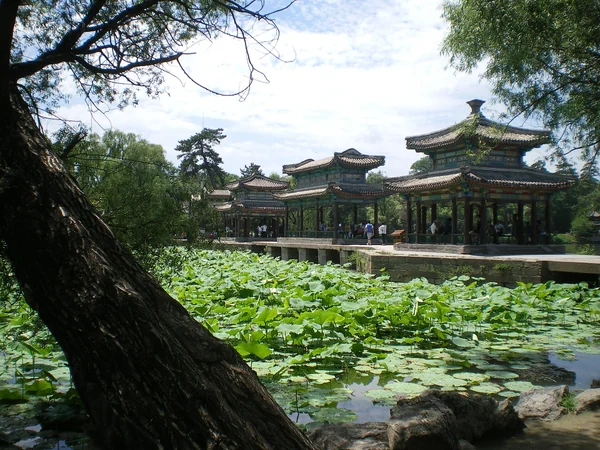
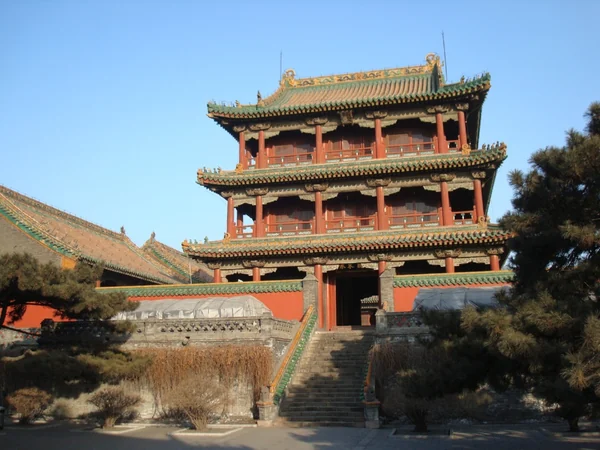
Shenyang Imperial Palace, also called the Mukden Palace, was built for the emerging Qing court before the dynasty established its capital in Beijing. The complex is smaller than the Forbidden City and combines court buildings with architectural features connected to Manchu political and ceremonial traditions.
After 1644 it remained an important secondary palace used during imperial visits. Comparing its eastern, central and western sections reveals different building phases and functions. UNESCO includes it with the Forbidden City in the World Heritage listing of the Imperial Palaces of the Ming and Qing Dynasties.
Use the museum's current route and labels to distinguish original fabric, repairs and exhibitions. Avoid calling it a Ming imperial residence: its construction belongs to the early Qing state in the former Ming period.
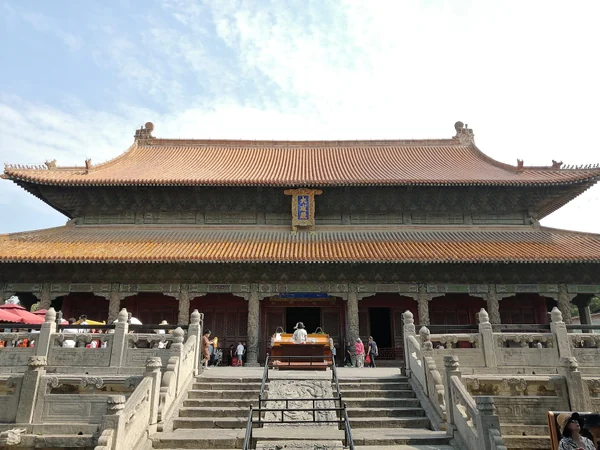
In central Qufu, the Temple of Confucius is a ritual and commemorative complex rather than an imperial palace. It developed after Confucius's death through repeated imperial patronage, rebuilding and expansion.
Courtyards, gates, steles and Dacheng Hall create a ceremonial sequence whose scale reflects the state importance of Confucian ritual. The temple forms part of UNESCO's property with the Cemetery of Confucius and Kong Family Mansion in Shandong.
Visitors should distinguish the temple from the neighboring Kong Family Mansion, which had a residential and administrative function. Check current ceremony and access arrangements, especially around major commemorative dates.
Together, the five sites show why “palace” is an imperfect umbrella. Their value comes from different histories and uses, not from a contest over size or magnificence.
For a first imperial-history route, the Beijing and Xi'an itinerary pairs the Forbidden City with a contrasting former capital. Potala, Chengde, Shenyang and Qufu each deserve a regional plan rather than an isolated flight-and-photo stop.