Your China & Yunnan Travel Experts


 Ask a Question
10 Major Business Cities in China This guide compares ten major business cities in China by commercial role, industry cluster and trip-planning practicality; it is not a permanent GDP ranking. A finance meeting, factory audit and technology conference usually belong in different districts—and sometimes different cities. Before fixing the route, compare the wider economic centres of China, test intercity timing with the China high-speed train guide, and read how special economic zones shaped several coastal hubs. Reviewed on 26 August 2026 using municipal and national investment sources. Trade-fair dates, incentive policies, visa documents, registrations and transport schedules change; confirm them with the relevant organiser or authority before paying.
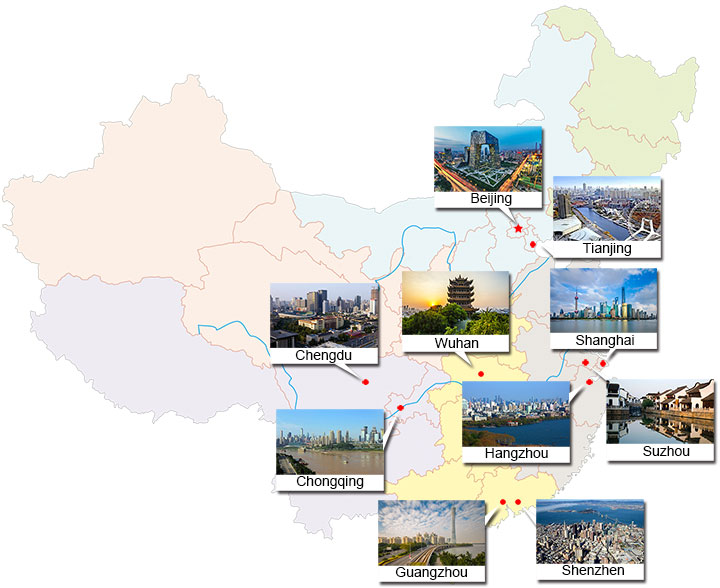
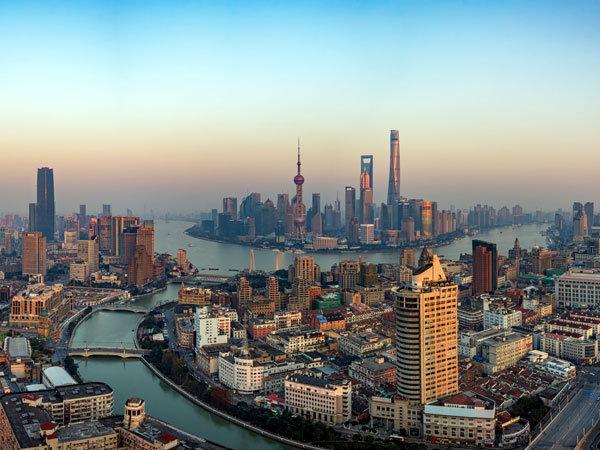
Shanghai is the most versatile starting point for a China business trip. The municipality describes its long-term role through five connected centres: economy, finance, trade, shipping and science-and-technology innovation. That combination suits regional headquarters, banking and insurance, professional services, import-export work, consumer brands, life sciences and advanced technology. The useful question is not whether Shanghai is “number one,” but which part of its unusually large business ecosystem your meetings actually use.
District choice controls the working day. Lujiazui and the wider Pudong financial district suit finance and headquarters meetings; Zhangjiang is associated with science, biomedicine and technology; Hongqiao combines a major rail-air interchange with exhibition and commercial facilities; and the National Exhibition and Convention Center hosts large events including the China International Import Expo. Addresses described simply as “Shanghai” can be more than an hour apart, so plot every meeting before choosing a hotel.
For a two-day visit, keep meetings on the same side of the Huangpu River where possible and reserve the final half-day for weather or schedule changes. Hongqiao is generally the practical rail hub for onward travel to Suzhou or Hangzhou, while Pudong Airport handles many international services and lies much farther east. Exhibition admission, identity checks and event transport are live matters: use the organiser's current instructions, not an old blog timetable.
► Suggested Shanghai itineraries: Shanghai Tours
Beijing is the natural base when a trip involves central institutions, national associations, corporate headquarters, policy-facing professional services or research partnerships. The city's investment materials also highlight artificial intelligence, software, integrated circuits, healthcare, aerospace, robotics, advanced materials and new energy. Its value therefore extends well beyond government access, but the relevant organisations are spread across several specialised corridors.
Chaoyang and the CBD work well for embassies, international companies and many professional-service meetings. Haidian and Zhongguancun are the stronger fit for universities, research institutes and technology firms, while Beijing Economic-Technological Development Area, often called Yizhuang, serves advanced manufacturing and industrial projects. A central sightseeing hotel can be a poor business base if every appointment is in Haidian or Yizhuang.
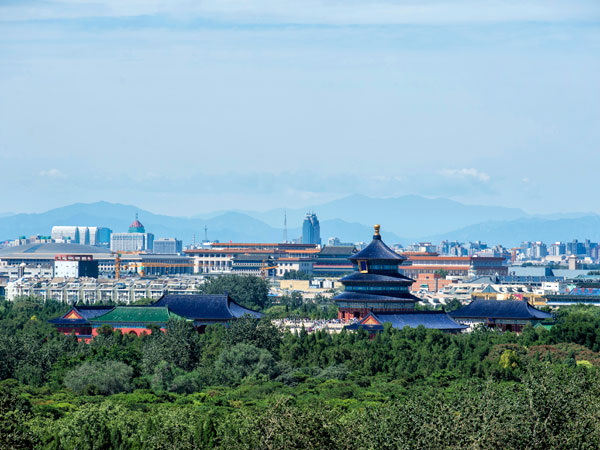
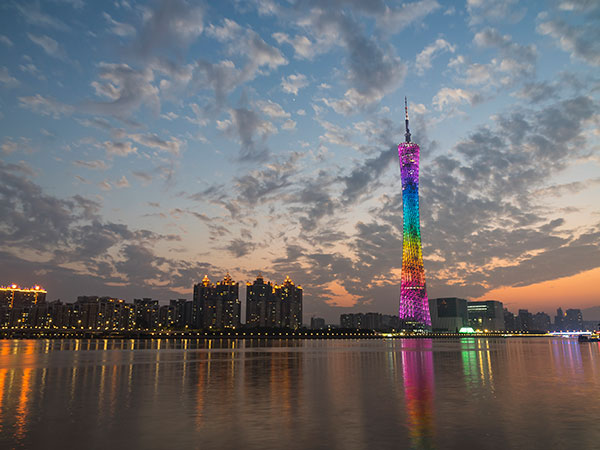
Guangzhou combines a long trading history with manufacturing supply chains, wholesale markets, logistics, consumer industries and a large professional-services base. It is especially relevant for sourcing, export sales and meetings connected to the Guangdong–Hong Kong–Macao Greater Bay Area. The China Import and Export Fair, or Canton Fair, remains a major platform, but its phases, product categories, badges and venue rules must be checked for the specific session.
Pazhou is the practical base for the Canton Fair Complex and nearby exhibition venues. Tianhe and Zhujiang New Town suit corporate and service-sector meetings, while Nansha is a separate port, logistics and advanced-manufacturing district south of the centre. Trying to combine all three in one day creates avoidable travel risk. Ask suppliers for the full Chinese address and nearest metro station before grouping appointments.
A fair trip needs more preparation than a normal city visit: complete buyer or exhibitor registration through the official channel, match the visit to the correct product phase, and leave capacity for factory travel outside central Guangzhou. Guangzhou South is the principal high-speed-rail hub but is not downtown. Hong Kong and Macao have separate border arrangements, so a Greater Bay Area itinerary still requires document and checkpoint planning.
► Suggested Guangzhou itineraries: Guangzhou Tours
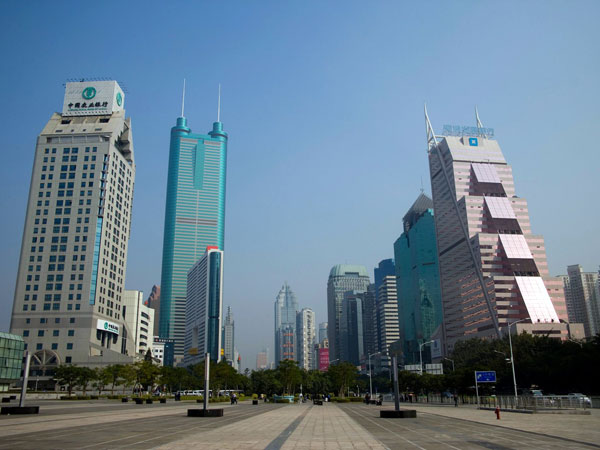
Shenzhen is a strong choice for technology, electronics, hardware, industrial design, digital services, finance and innovation-led manufacturing. Its development as a special economic zone helps explain the density of private companies and supply-chain partners. The city government's current business portal organises investment information by industry and district, which is a better planning model than treating Shenzhen as a single compact technology park.
Nanshan concentrates many technology and research organisations; Futian combines finance, conventions and civic functions; Bao'an is important for manufacturing, logistics and airport access; and Qianhai has a cross-border service and cooperation role. Meetings in these areas can require long transfers. Request the building name, district and Chinese map pin, then cluster the schedule instead of crossing the city repeatedly.
For Hong Kong connections, confirm the exact land checkpoint or rail service: Futian, Shenzhen Bay, Luohu and other ports lead to different corridors and have their own operating arrangements. Do not describe the crossing as an ordinary domestic metro ride. For factory visits, agree in advance on photography, samples, confidentiality, interpreter needs and who will arrange the last-mile transfer.
► Suggested Shenzhen itineraries: Shenzhen Tours
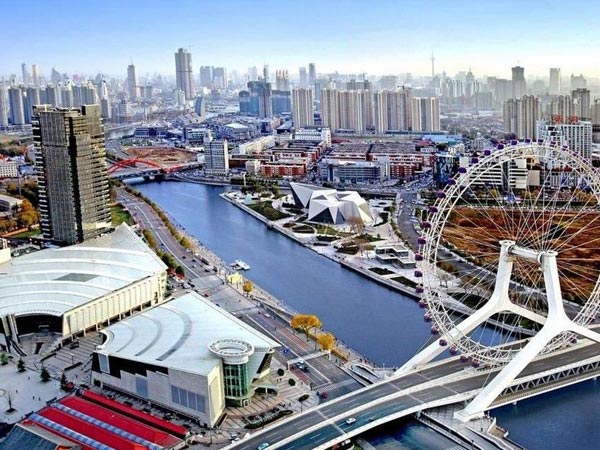
For northern port, logistics and industrial work, Tianjin is a distinct business destination rather than an extension of central Beijing. The municipal investment guide identifies advanced manufacturing alongside characteristic fields such as marine equipment, biomanufacturing, circular economy and finance leasing. Tianjin Port and the Binhai New Area give the municipality a strong logistics and industrial role within the Beijing–Tianjin–Hebei region.
The central districts and Binhai/TEDA serve different purposes and are far enough apart to affect the entire itinerary. Central Tianjin is useful for city institutions and service meetings; Binhai New Area and the Tianjin Economic-Technological Development Area are the usual focus for port, manufacturing and industrial-project visits. Verify which Tianjin railway station is closest to the appointment and do not book by city name alone.
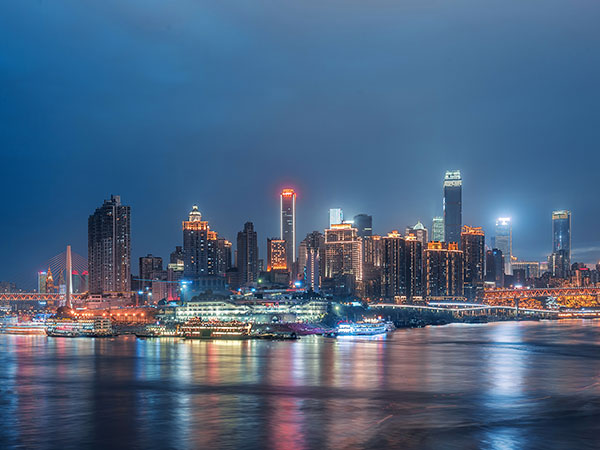
Chongqing is a major inland municipality for automotive and intelligent new-energy vehicles, advanced manufacturing, electronics, equipment and upper-Yangtze logistics. Current municipal reporting emphasises technology investment and industrial upgrading rather than the old page's unsupported claim that Chongqing is simply China's largest industrial city. It is particularly relevant to businesses mapping western-China production and distribution networks.
Geography is the practical constraint. Corporate meetings in Yuzhong or Jiangbei, manufacturing zones and logistics facilities can sit on different riverbanks or in distant districts, while steep terrain makes short map distances deceptive. Use the precise Chinese address and allow more transfer time than a flat-grid city would require. Chongqing North and Chongqing West stations are not interchangeable.
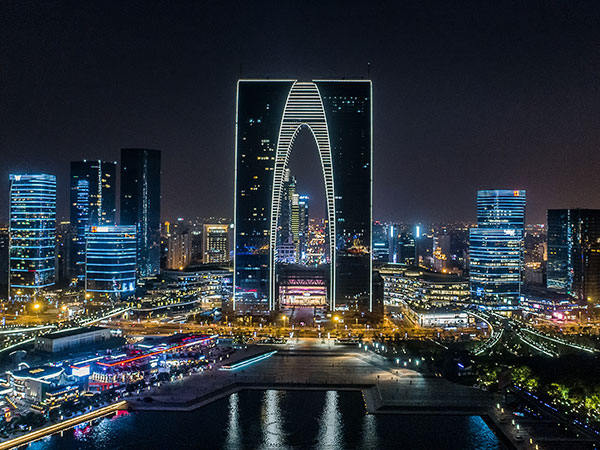
Suzhou is one of the clearest choices for advanced manufacturing and foreign-invested industrial operations in the Yangtze River Delta. Its investment materials highlight industrial parks and a broad manufacturing base, while recent municipal policy stresses smart manufacturing, high-tech development and the integration of artificial intelligence with production. The city is close to Shanghai, but it is not one industrial campus.
Suzhou Industrial Park, Suzhou New District, Kunshan and other county-level areas support different supplier and factory networks. Their rail stations and road approaches vary, so obtain the exact plant location before choosing a train. A meeting labelled “Suzhou” may be easier from Shanghai Hongqiao, Suzhou North or Kunshan South depending on the address.
For a one-day supplier visit, ask the host to confirm the station, pickup point, visitor registration and expected audit duration. A two-day stay is safer when several parks are involved. Manufacturing visitors should also clarify photography restrictions, required personal protective equipment, data access, sample handling and whether an interpreter understands the relevant technical vocabulary.
► Suggested Suzhou itineraries: Suzhou Tours
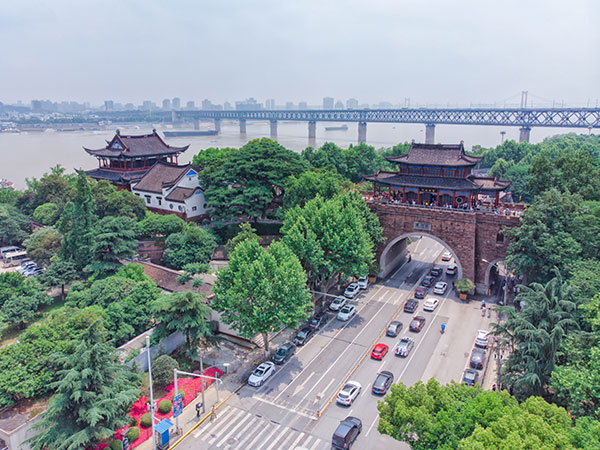
Wuhan is a central-China transport and research hub with strengths in optoelectronic information, integrated circuits, new displays, automobiles and intelligent connected vehicles, life sciences, high-end equipment and BeiDou-related applications. Municipal investment information also points to the depth of its universities and research platforms. These clusters make Wuhan useful for R&D partnerships as well as production and distribution.
The business geography is split. East Lake High-tech Development Zone—widely known as Optics Valley—serves many technology and research meetings; Wuhan Economic and Technological Development Zone is closely associated with automotive industry; Hankou has a different commercial and transport profile. The wrong station or hotel can add a long cross-city transfer, so match Wuhan, Hankou or Wuchang station to the day's district.
A practical visit leaves one zone per half-day and avoids a tight evening departure after a factory tour. Ask whether a meeting is at a headquarters, laboratory, campus or production gate; map applications sometimes place all four under one company name. For research visits, confirm access approval and any rules for devices, photography or sharing technical materials.
► Suggested Wuhan itineraries: Wuhan Tours
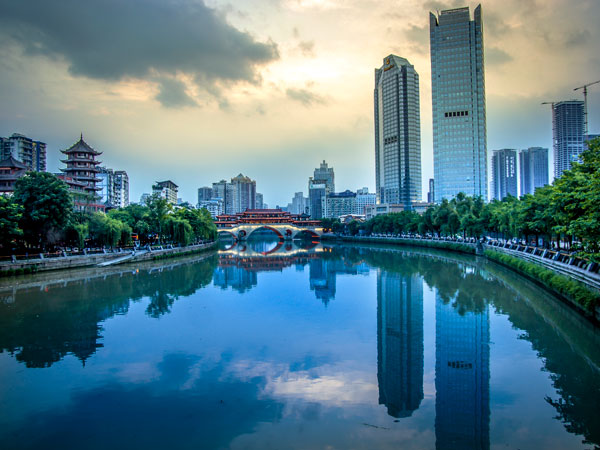
Chengdu is a western-China base for electronic information, software and digital industries, advanced manufacturing, consumer business and regional services. The Chengdu–Chongqing economic circle also gives it a wider role in electronics and equipment supply chains. Current information on the Chengdu High-tech Comprehensive Bonded Zone illustrates the city's established electronics manufacturing and international-trade links without requiring an inflated citywide ranking.
Chengdu High-tech Zone and Tianfu New Area contain many technology, finance and newer corporate locations, while central districts serve retail, hospitality and professional meetings. Tianfu International Airport and Shuangliu Airport are different facilities on different sides of the urban area. Confirm the airport code, meeting district and railway station before selecting a hotel.
Hangzhou is most relevant to digital economy, e-commerce, software, fintech, artificial intelligence and innovation-led consumer business. Municipal plans for future industries also identify fields such as general-purpose AI, low-altitude economy, humanoid robotics and synthetic biology. Those plans indicate direction, not a guarantee that every district or company offers the same opportunity.
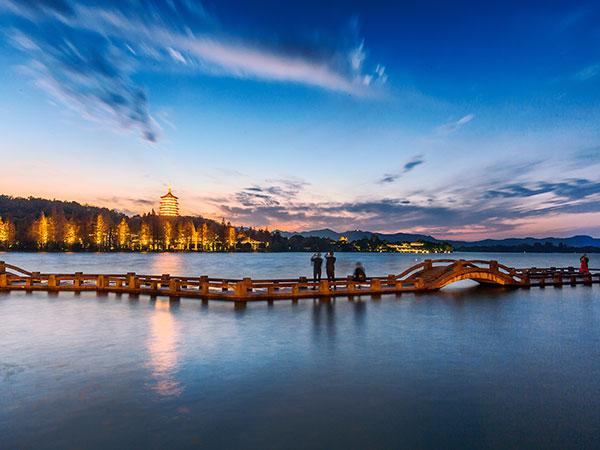
Qianjiang New City is useful for headquarters and service meetings; Binjiang is associated with high-tech enterprises; and the Future Sci-Tech City/Yuhang corridor serves another concentration of technology and research. Hangzhou East and Hangzhou West stations favour different parts of the city. If the trip continues to Shanghai or Suzhou, choose the station only after mapping the final appointment. Keep business and leisure logistics separate: West Lake is a sensible evening or buffer-day visit, but it should not determine a hotel if meetings are in Binjiang or Yuhang.
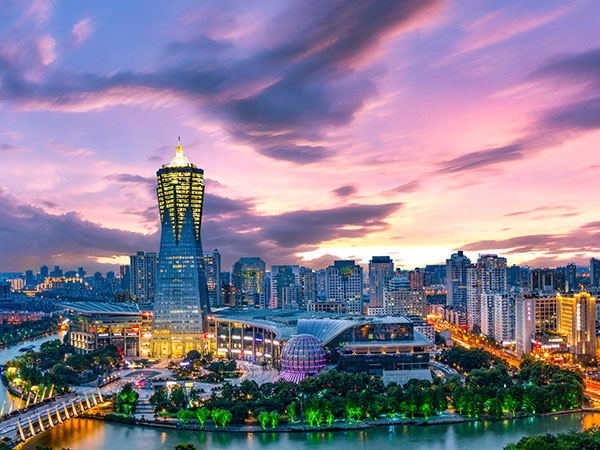
► Suggested Hangzhou itineraries: Hangzhou Tours
How to choose: start with the transaction or partnership, then the district. Shanghai and Beijing suit headquarters, finance, institutions and research; Guangzhou and Shenzhen serve trade, sourcing, technology and Greater Bay Area networks; Tianjin, Suzhou, Wuhan and Chongqing add specialised industrial and logistics clusters; Chengdu and Hangzhou are strong western and digital-economy anchors. Build regional blocks—Yangtze Delta, Greater Bay Area, Beijing–Tianjin or Chengdu–Chongqing—rather than collecting cities by rank.
Beijing, Xian, Chengdu, Guilin, Hangzhou, Suzhou, Shanghai