Your China & Yunnan Travel Experts


 Ask a Question
China's most useful tourist cities are not interchangeable. Beijing and Xi'an concentrate major heritage, Shanghai and Hong Kong are international urban gateways, Guilin and Lijiang connect cities with landscapes, and Chengdu opens routes into western China. This top-ten order is a planning shortlist rather than an official ranking. Choose cities that form a logical transport chain and give each one enough time; the Beijing and Shanghai itinerary shows how two contrasting gateways can work without overloading the schedule.
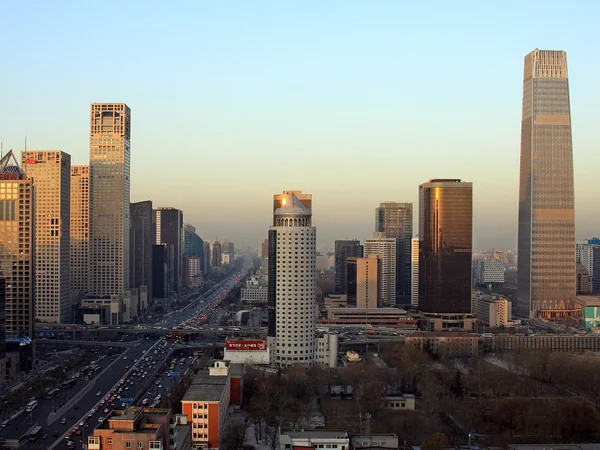
Beijing is China's capital and one of its strongest destinations for imperial history, state museums and monumental urban planning. The historic core developed across several periods; for travelers, the Ming and Qing city, the modern capital and Great Wall landscapes around the municipality are the most visible layers. Reserve major sites in advance where required and avoid placing the Forbidden City and a distant Wall section into an unrealistically short half-day.
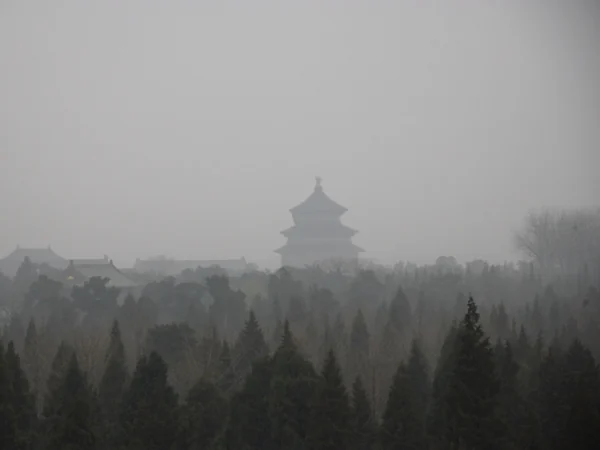
Great Wall near Beijing
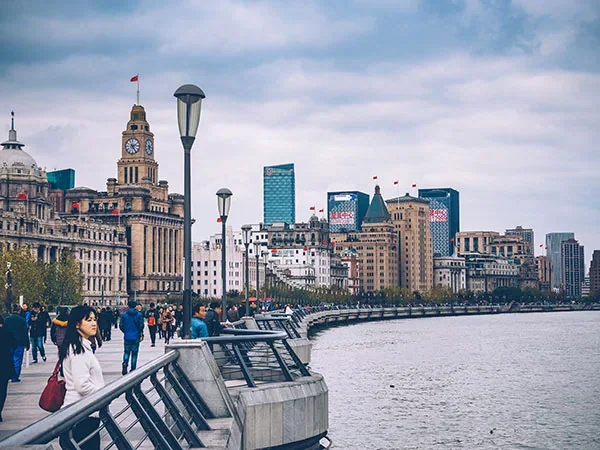
Shanghai is a major international gateway where historic commercial districts, lilong neighborhoods, museums and the Pudong skyline reveal different phases of the city. It works especially well as the beginning or end of an east-China route, with high-speed rail connections to Hangzhou, Suzhou and beyond.
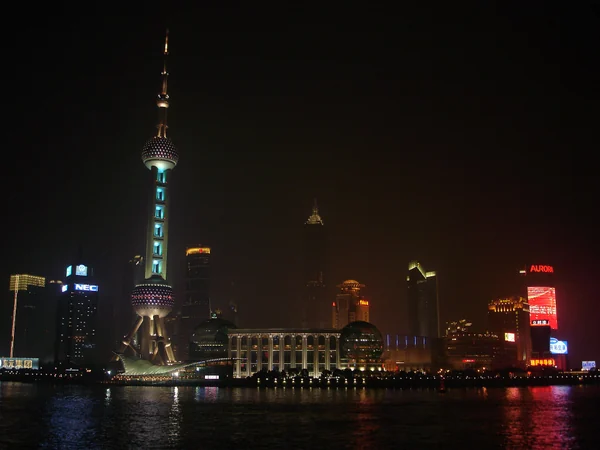
Xi'an was known as Chang'an in major historical periods and served as a capital under dynasties including the Western Han, Sui and Tang. The city links early imperial history, Silk Road exchange and later urban defenses. Its headline sites are geographically separated, so plan the Terracotta Army outside the center and the city-wall and museum area on different parts of the day.
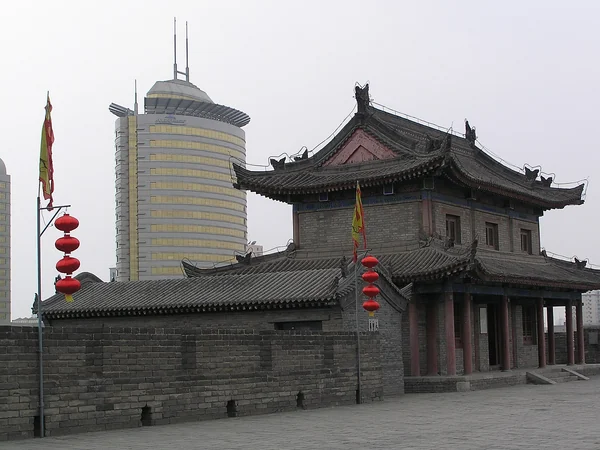
A classic Beijing–Xi'an–Shanghai route is efficient for a first visit. The existing 8-day group tour covers the three-city core, while the Beijing–Xi'an–Guilin–Shanghai itinerary adds a contrasting karst landscape when more time is available.
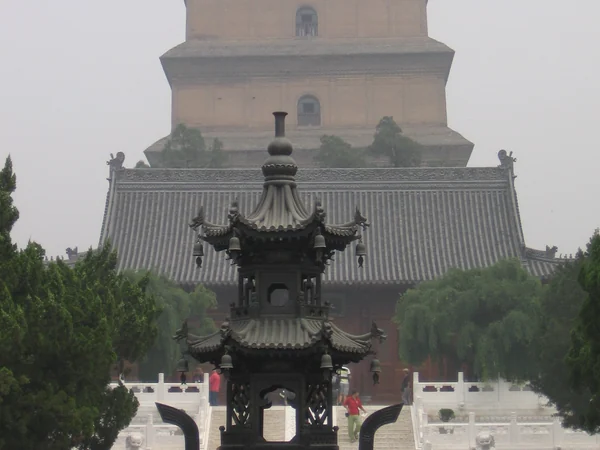
Hong Kong combines a dense harbor city, mountain trails, island landscapes, food traditions and efficient transit. Shopping is only one part of the experience. Use the MTR for the urban core, add a ferry or ridge viewpoint for geographic context, and check the separate entry requirements that apply to your passport and itinerary.
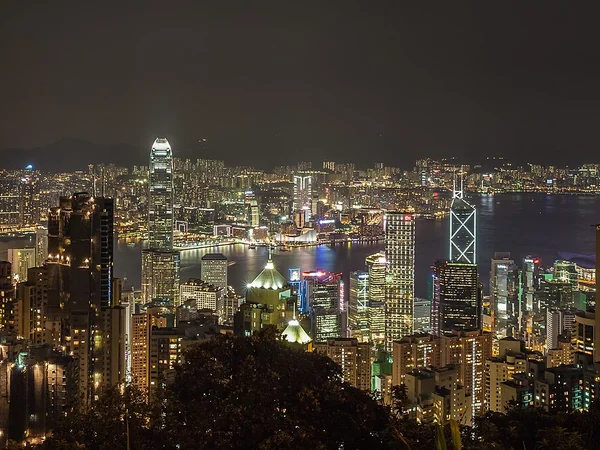
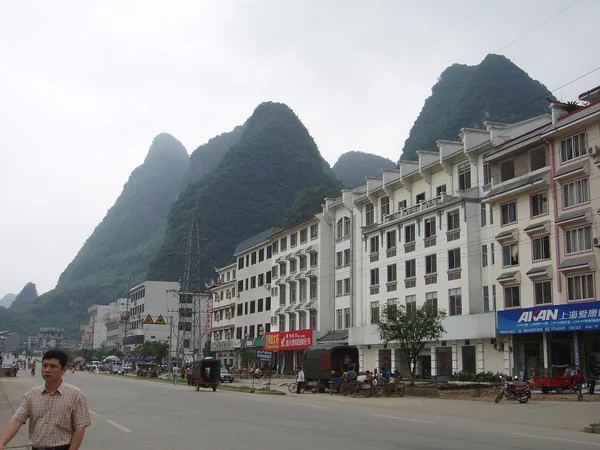
Guilin sits in southern China and serves as the gateway to the Li River, Yangshuo countryside and Longji terraces. Its defining landscape is regional rather than confined to downtown, so allow transfer time and choose whether river scenery, village life or rice terraces are the priority.
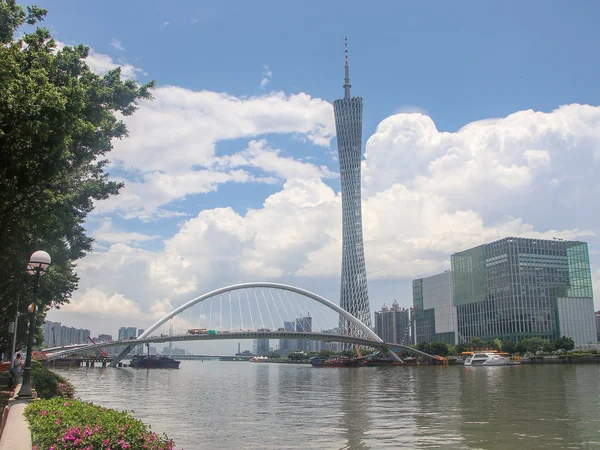
Guangzhou is a major Pearl River Delta gateway with Cantonese food culture, trading history, historic religious sites and fast connections to Hong Kong, Shenzhen and other Greater Bay Area cities. It is more than a transit point; two days allow a heritage district, museum or ancestral hall, and a riverfront evening.
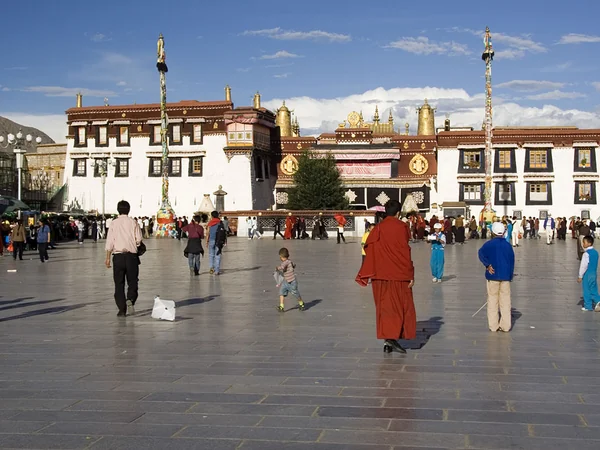
Lhasa is the cultural and administrative center of Tibet and the essential first acclimatization stop for most regional routes. The Potala Palace, Jokhang Temple, Barkhor and major monasteries require respectful behavior and realistic pacing at elevation. Permit and access arrangements can change, so confirm the current process before booking transport.
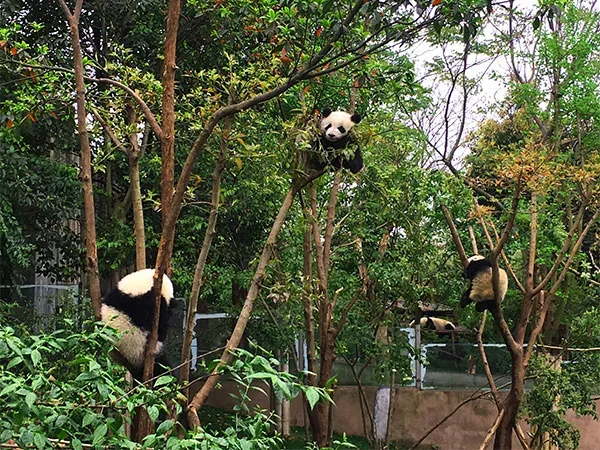
Chengdu combines Sichuan food, teahouse culture, museums and access to giant-panda conservation institutions. It is also an efficient base for Dujiangyan, Mount Qingcheng, Leshan and routes toward Jiuzhaigou or Tibet. Choose one regional excursion per day because distances are easily underestimated.

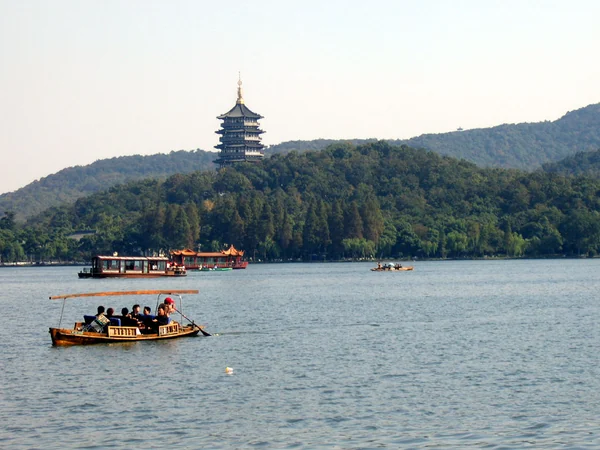
Hangzhou is defined by the cultural landscape of West Lake, nearby hills, temples and tea villages. Its heritage reaches far beyond a romantic lake view, including the Liangzhu archaeological tradition and the city's role as the Southern Song capital. It pairs naturally with Shanghai and Suzhou by rail.
Rippling waters shimmering on a sunny day,
Misty mountains shrouded by the rain;
Plain or gaily decked out like Xizi;
West Lake is always alluring
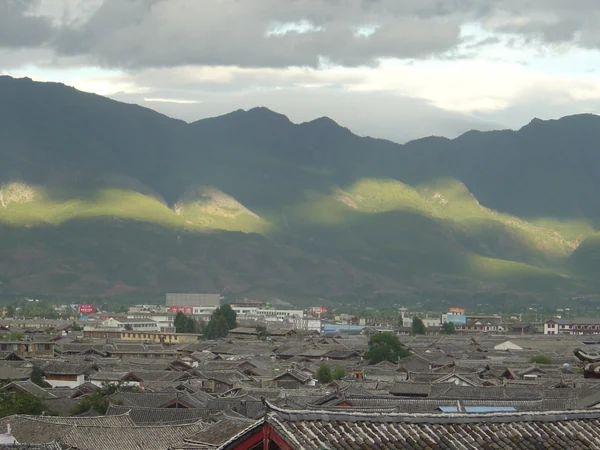
Lijiang in Yunnan combines a UNESCO-listed old town and Naxi cultural heritage with highland landscapes. It is not just a romantic leisure stop: water systems, trade routes and living neighborhoods give the old town its significance. Outlying attractions involve altitude and long road transfers.
These ten cities work best in regional combinations. A first trip might link Beijing, Xi'an and Shanghai; a nature-focused extension could add Guilin or Chengdu; a second journey could concentrate on Yunnan, Tibet or the Greater Bay Area. If a tropical finish matters more than another historic city, the Sanya, Baoting and Wanning route offers a distinct coastal alternative.
Beijing, Xian, Chengdu, Guilin, Hangzhou, Suzhou, Shanghai