Your China & Yunnan Travel Experts

 Ask a Question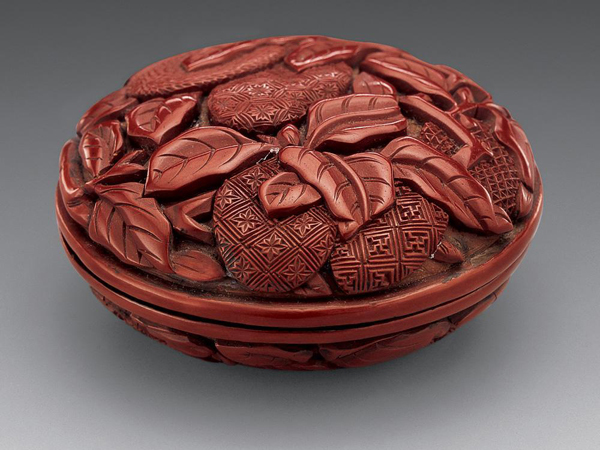
A traditional piece usually begins with a wooden or metal body. Artisans repeatedly apply, dry and level the lacquer before a carver cuts through the built-up surface to create flowers, landscapes, figures or geometric borders. Deep, clean relief; controlled transitions between planes; an even ground; and a carefully finished base are more useful quality signals than weight or a dramatic sales story. Red is the best-known colour, but black, yellow and combined colours also appear. Ask the seller what the core is, whether the decoration is hand-carved, how the lacquer layers were formed and who made the piece. A credible shop should be willing to put the material, process, dimensions, price and return terms on the receipt. Compare two or three objects under the same light. Mold seams, identical repeated “carving,” paint sitting over shallow grooves or a vague material description can signal a decorative imitation, although only a qualified specialist can authenticate a valuable object. Small boxes and trays are easier to inspect and transport than screens or furniture. Measure the packed piece, ask for non-abrasive wrapping and keep hard fittings from rubbing against the relief. Do not assume that every old-looking object is antique or that every certificate is an independent appraisal. Export rules can apply to genuine cultural relics, so buy antiques only through licensed channels and keep all documents. For another Beijing enamel tradition, compare the construction with cloisonné; for a walkable retail area with established shops, see the Qianmen shopping guide. The retained photograph shows carved lacquer relief that matches this page. Store lacquer away from prolonged sun, radiators, very dry air and abrasive cleaners; use a soft dry cloth and ask a specialist before repairing chips. Last reviewed: August 28, 2026.

From on request

From $ 306

From on request