Your China & Yunnan Travel Experts

 Ask a Question
Reviewed August 28, 2026. Tibet travel for foreign passport holders requires more preparation than an ordinary domestic trip. Permit, licensed-operator and itinerary rules must be confirmed before transport is finalized; this page removes obsolete pandemic documents and separates legal requirements from health advice.
1. Check health suitability Altitude risk rises with sleeping elevation and speed of ascent, not with enthusiasm. A traveler who lives at low altitude should avoid a packed first afternoon and should not use oxygen or medication to hide worsening symptoms while continuing upward without advice. Operators should explain the highest sleeping point, longest road day, distance to medical care and descent options. Travel insurance needs to cover the actual altitude and activities. If symptoms become severe, the priority is professional assessment and descent, not completing a prepaid itinerary. Lhasa is about 3,650 metres above sea level and many itineraries climb higher. Discuss material heart, lung, blood or pregnancy concerns with a qualified clinician who knows your history. Fitness does not prevent acute altitude illness. Plan a gentle first day, hydrate normally, avoid heavy alcohol and report worsening symptoms promptly.
2. Use a licensed travel agency
Foreign passport holders should arrange the authorized itinerary through a licensed operator. Independent travel assumptions used for other provinces do not apply here. 3. Apply for the correct permit Your operator normally coordinates the Tibet Travel Permit after itinerary and identity documents are confirmed. Additional permission can apply to border or controlled areas.
Typical planning file
Clear passport identity-page scan.
Valid Chinese visa or residence document, as applicable.
Confirmed occupation and itinerary information requested for the permit case.
Any additional document the current authority requires for the nationality, route or area.
Do not send passport scans to an unverified contact. Read the Tibet permit guide and ask the operator to identify which requirement comes from which authority.
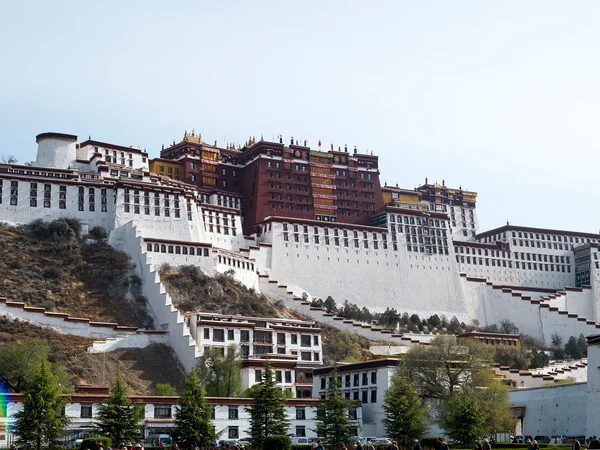
Lhasa essentials Allow at least three full days after arrival for Potala Palace, Jokhang Temple, Barkhor and one major monastery at a measured pace. Route
An Everest Base Camp route usually needs eight or more days because the drive crosses high passes and involves permit, weather and road constraints. Route Lhasa → Gyantse → Shigatse → Tingri → Everest region
Five days: Lhasa plus Yamdrok Lake or a carefully paced nearby extension. Eight days: Lhasa, Shigatse and Everest region. Ten days: a longer central-Tibet circuit where road and permits allow.
Do not buy a non-refundable train or flight until the operator confirms how the permit will be delivered and checked. The replacement Potala photograph is a real place-specific view and removes the former branded flag. For broader planning, compare the Tibet tourism overview.
From $ 2356
From $ 1207

From $ 22782050