Your China & Yunnan Travel Experts


 Ask a Question
The China National Tourism Administration (CNTA) is a former government body. In the 2018 institutional reorganization, tourism responsibilities were brought into the Ministry of Culture and Tourism. This page keeps the familiar CNTA topic so readers can understand older references, while explaining the current system. For trip planning rather than administration, start with China destinations and compare places by region, season and access.
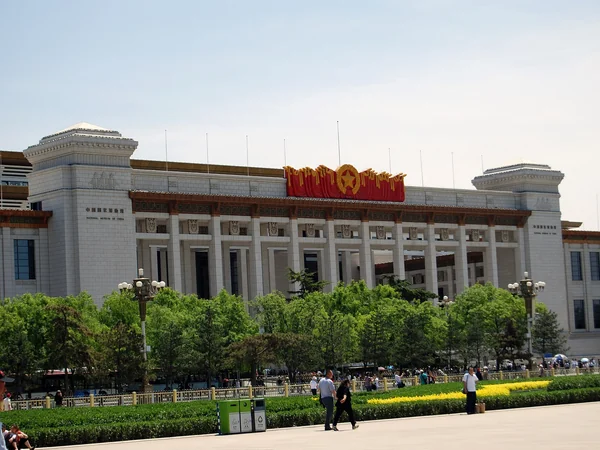
National tourism policy now sits within the Ministry of Culture and Tourism. Its published responsibilities include planning the development of culture and tourism, promoting China's tourism image, supporting public tourism services, overseeing market development and credit systems, advancing standards and coordinating international exchange. Provincial and municipal culture-and-tourism departments implement and adapt this work locally.
National level:
At national level, the Ministry of Culture and Tourism develops policy, coordinates market oversight and supports public cultural and tourism services. The National Cultural Heritage Administration, managed by the ministry, has separate heritage responsibilities. Other ministries and regulators remain responsible for transport, immigration, commerce, public security and health.
Begin with evidence and the organization that supplied the service. Keep the booking confirmation, contract, invoice or payment record, photographs, messages and the exact time and location. Explain the outcome you are requesting—information, correction, refund review or a formal complaint—in factual terms.
If the provider cannot resolve a non-emergency tourism-market issue, China's national culture-and-tourism online complaint system is the current official channel. Tourism and cultural-market hotlines were integrated into local 12345 government service hotlines; language availability and handling procedures differ by locality.
Do not use a tourism complaint channel for an immediate danger. Police, fire, medical and traffic-accident services use separate emergency numbers, and a traveler should also contact the relevant insurer, transport operator or embassy when appropriate.
When comparing a package, check the licensed operator name, included services, cancellation terms and destination-specific restrictions before payment. The routes beginning in Beijing illustrate how inclusions and travel sequence should be stated clearly rather than hidden behind a destination list.
Recommended order for a complaint: contact the on-site service desk or seller; request a written response; collect proof; then use the official local 12345 or national online complaint route if the matter remains unresolved. Published contact methods can change, so confirm them on an official government page.
Useful contact categories are summarized below.
|
Situation |
Appropriate first channel |
|
Immediate public-security danger |
Police emergency service: 110 |
|
Medical emergency |
Emergency medical service: 120 |
|
Fire |
Fire and rescue service: 119 |
|
Road traffic accident |
Traffic police emergency service: 122 |
|
Non-emergency public-service or tourism issue |
Local government service hotline: 12345 |
|
Tourism-market complaint with documents |
National Culture and Tourism Market Online Complaint System or the local authority |
|
Rail booking or onboard service |
The railway operator and the service channel shown on the ticket |
|
Airline or airport service |
The airline, airport and applicable civil-aviation complaint process |
|
Lost passport or consular need |
Local police where required, then the traveler's embassy or consulate |
|
General route-planning question |
Use the China tourism guide to identify the destination and relevant local source |