Your China & Yunnan Travel Experts


 Ask a Question
Chinese New Year gifts should reflect the recipient, relationship and occasion rather than a fixed shopping list. If you are invited to a home, ask about dietary needs, children, alcohol and household preferences before buying. The Chinese New Year guide explains when visits and gift exchanges commonly occur.
Tea or a non-alcoholic drink: A well-labeled tea, coffee or regional beverage can be shared with guests. Choose sealed packaging and avoid making health claims. If the host does not drink tea or caffeine, select something else.
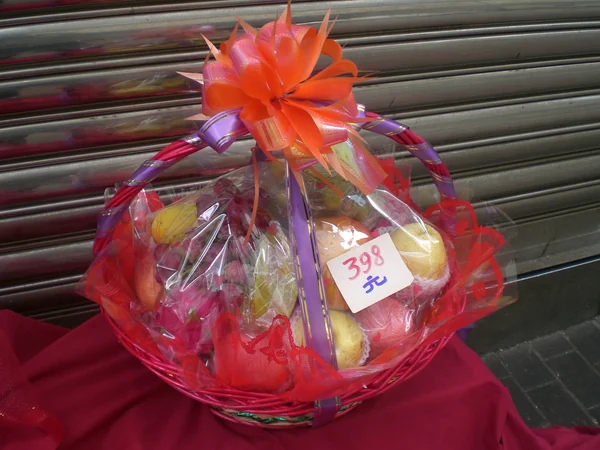
Food or fruit: Fresh fruit, nuts, biscuits or a regional specialty can work when allergies and dietary restrictions are known. Check expiry dates and avoid oversized baskets that create waste. Alcohol and tobacco are poor default gifts because they carry health, age and personal-preference concerns.
Useful home items: For close friends who have moved recently, a simple serving dish, plant or kitchen item may be welcome, but personal taste and available space matter. Ask before buying appliances or culturally significant objects.
Warm accessories: A scarf, blanket or practical winter accessory can be considerate when size and material are suitable. Avoid assuming every older person needs the same item.
Comfort and hobby gifts: Books, tea ware, gardening items, music or a family photograph may be more personal than expensive equipment. Do not give massage devices without knowing the recipient's mobility, medical conditions and preferences.
Food and health products: Never present supplements, ginseng, bird's nest or herbal products as treatments. Medicines and supplements can interact with health conditions. If the recipient has requested a specific product, verify ingredients, source, labeling and expiry date.
Books and stationery: Age-appropriate books, art materials or stationery are useful when they match the child's interests rather than an adult's assumptions about study.
Toys, sweets and chocolate: Check age labels, small-part hazards, allergies and household limits on sugar or screen use. Avoid gender stereotypes when choosing toys.
Red envelopes: A red envelope carries a wish for wellbeing rather than payment for affection. Ask the family whether a visitor should give one and what amount is comfortable. Pair it with a short message from the Chinese New Year greetings guide.
Numbers have regional and personal associations, but no universal formula determines the correct amount. Avoid amounts beyond your relationship or budget, and do not compare what children receive.
For digital red packets, use only a payment account you understand and confirm the recipient.
Learn more about secure red-envelope practices before sending money through an app.
Black and white packaging: These colors can carry mourning associations in some settings. Red, warm or neutral wrapping is often a safer festive choice, but the recipient's taste comes first.
Green hats: The phrase “wearing a green hat” can imply infidelity in Mandarin, so a green hat is an awkward gift even though other green clothing may be ordinary.
Odd numbers: Pairs can symbolize harmony, yet not every gift must be doubled. Packaging two modest items solely to follow a rule can be less thoughtful than one appropriate present.
Necklaces, ties or belts: Highly personal clothing or jewelry is best reserved for a close relationship where size and taste are known.
Remove the price tag unless warranty or exchange information requires it; keep the receipt privately.
Offer the gift with two hands when the setting is formal. A recipient may decline once or set the gift aside rather than open it immediately; follow the host instead of insisting.
Check food dates, alcohol preferences and allergy labels. For other positive ways to participate, see the New Year customs guide.