Your China & Yunnan Travel Experts


 Ask a Question
The Great Race is the best-known modern story explaining the order of the twelve Chinese zodiac animals: Rat, Ox, Tiger, Rabbit, Dragon, Snake, Horse, Goat, Monkey, Rooster, Dog and Pig. It is a folktale with many versions, not a dated eyewitness account of how the calendar was created. Historical zodiac systems developed through the twelve earthly branches and long traditions of calendrical calculation. Enjoy the story for its memorable characters, then use our Chinese zodiac overview for the calendar's structure and cultural history.
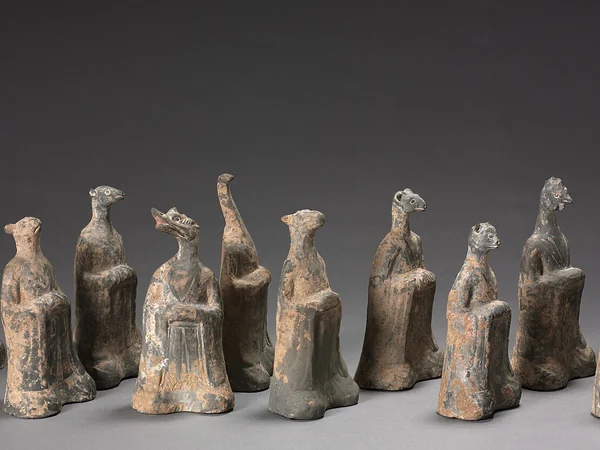
In a common version, the Jade Emperor announces a race across a river and promises calendar places to the first twelve animals to arrive. Other versions feature the Buddha, a heavenly banquet or a different challenge. The changing host and rules are clues that this is oral and popular tradition. The tale gives each animal a recognizable action—strategy, strength, kindness, delay—so children can remember the fixed sequence.
Rat and Ox set out together. The small Rat cannot cross the strong current alone, so it persuades the dependable Ox to carry it. Near the finish, Rat jumps ahead and claims first place; Ox arrives second. Some tellers admire Rat's cleverness, while others stress opportunism. The contrast shows how folklore invites interpretation rather than supplying a scientific personality test.
Tiger fights the current and finishes third. Rabbit comes fourth, sometimes by hopping across stones and sometimes by floating on a log. Dragon arrives fifth despite its power to fly; in many versions it stopped to make rain for people or helped Rabbit reach shore. The episode explains why an auspicious dragon does not win and highlights service over speed. Learn how zodiac guidance differs from prediction in the Year of the Dragon guide.
Snake hides on Horse or emerges suddenly near the finish, startling Horse and taking sixth place; Horse becomes seventh. The trick is playful narrative, not a claim about people born in either year. Goat, Monkey and Rooster cooperate on a raft and receive eighth, ninth and tenth places. Some translations use Sheep or Ram for the same yáng zodiac animal because the Chinese term covers related caprines.
Dog is an excellent swimmer but finishes eleventh because it pauses to play or bathe. Pig stops to eat and sleep, then arrives twelfth. These episodes turn the animal order into a chain of comic causes. Versions often soften or change the moral depending on the audience.
At the finish, the twelve places are confirmed: Rat, Ox, Tiger, Rabbit, Dragon, Snake, Horse, Goat, Monkey, Rooster, Dog and Pig. The zodiac repeats every twelve years, but the animal year begins at Lunar New Year, not January 1. The heavenly stem also changes, producing a sixty-year stem-branch cycle. Check a birth date—especially in January or early February—with the Chinese zodiac calculator rather than guessing from the Gregorian year.
What the Story Does—and Does Not—Explain
The Great Race is an effective mnemonic and a flexible moral story. It does not document the historical selection of the twelve animals, prove personality traits or predict compatibility. Museum objects and early texts show that animal associations and the earthly branches developed over long periods. Tell the legend as legend, and label modern illustrations as artistic interpretations rather than ancient evidence.
Families, schools and communities may tell different details. That variation is part of folklore, not an error that must be forced into one official script. Ask which version a storyteller knows and what lesson they draw from it.
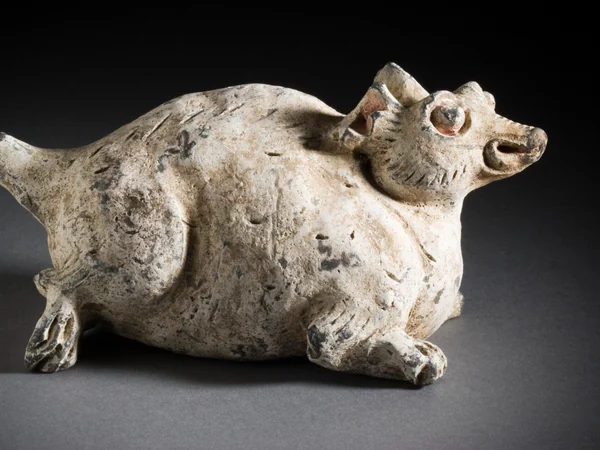
In one popular extension, Cat asks Rat for help reaching the race or banquet. Rat fails to wake Cat, pushes Cat into the river or deliberately withholds the date; Cat misses the selection and becomes Rat's enemy. The plot neatly explains both the missing cat and a familiar predator relationship. It is folklore, not historical proof. Claims that cats were unknown in ancient China are too simple: feline history and the zodiac's development are separate archaeological and textual questions. Vietnam uses a Cat in place of the Rabbit in its related zodiac tradition, reminding us that regional calendars can adapt shared systems.