Five ancient capitals—Beijing, Xi'an, Nanjing, Luoyang and Kaifeng—offer distinct ways to read China's political and urban history. The label is a travel-focused selection rather than a single official ranking, and ancient capital sites do not always align exactly with today's city centers. Use museums, archaeology and surviving urban fabric together. The
Beijing–Xi'an route is a practical starting comparison.
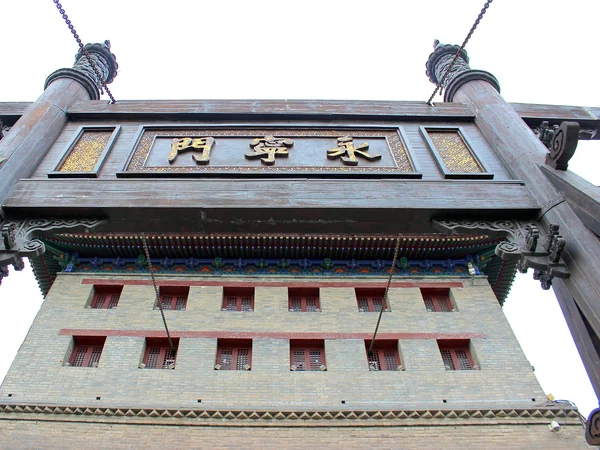
Top 1 Beijing
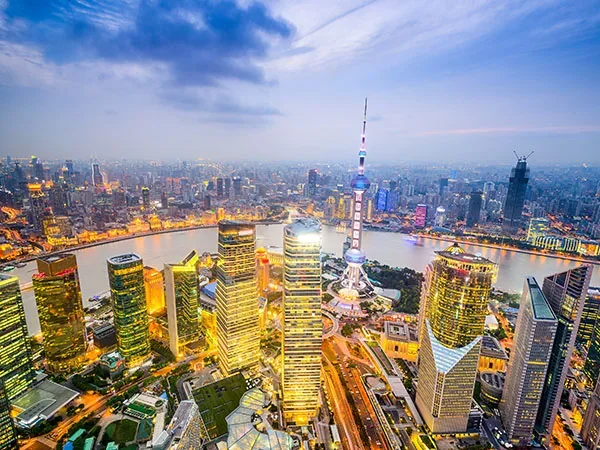
Beijing was and has been the capital of various Chinese governments including (sorted chronologically):
- State of Yan (Yen in WG) in Spring and Autumn Period (722-481 B.C.): called Ji
- Liao Dynasty (907-1125), as a secondary capital: called Yanjing
- Jin Dynasty (1115-1234) from Emperor Shizong until 1215: called Zhongdu
- Yuan Dynasty (1271 to 1368): called Dadu in Chinese, Daidu (a direct transliteration from Chinese) in Mongolian and Khanbaliq in the Turkic languages. This was reported as “Cambuluc” by Marco Polo.
- Ming Dynasty from the time of the Ming Yongle Emperor (r. 1402/1424) until 1644 called Jīngshī.
- Qing Dynasty from the fall of the Ming in 1644 to the end of the dynasty in 1912.
- The Beiyang Government of the Republic of China.
- Capital of the People's Republic of China since 1949.
Historical Attractions in Beijing:
Tiananmen Square,
Forbidden City,
Simatai Great Wall, Badaling Great Wall,
Mutianyu Great Wall,
Temple of Heaven, The Peking Man Site,
The Ming Tombs, The Bell and Drum Tower, Prince Gong's Mansion,
The Summer Palace
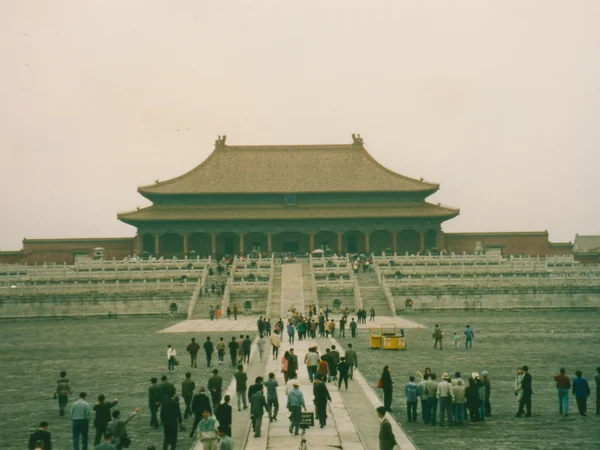
Forbidden City in Beijing
Top 2 Xi'an (Chang'an)
Xi'an, known historically as Chang'an in important periods, served as a capital for dynasties including the Western Han, Sui and Tang. Earlier capital sites in the wider Guanzhong region were not always located beneath the modern city, so museum labels and archaeological geography matter. The city is especially useful for understanding imperial unification, Silk Road exchange and the evolution of capital planning.
- Western Zhou Dynasty, also see Fenghao.
- State of Qin in the Spring and Autumn Period and the Qin Dynasty 221 B.C.-207 B.C.: Xi'an is located near the former Qin capital Xianyang.
- Western Han Dynasty from 206 B.C. to A.D. 9
- Xin Dynasty from 8 to 23
- Eastern Han Dynasty
- Western Jin Dynasty
- State of Former Zhao, a state in the Sixteen Kingdoms period during the Jin Dynasty (265-420).
- State of Former Qin from 351 to 394, during the Sixteen Kingdoms period.
- State of Later Qin from 384 to 417, during the Sixteen Kingdoms period.
- Western Wei Dynasty
- Northern Zhou Dynasty
- Sui Dynasty from 581 to 618
- Tang Dynasty from 618 to 907
Historical attractions in Xi'an:
Shaanxi History Museum, the Giant and Small Wild Goose Pagodas, Great Mosque, Bell and Drum Towers, Xi'an City Wall and the Qin emperor's mausoleum complex each explain a different period. The Terracotta Army belongs to the Qin dynasty, while the surviving city wall is predominantly Ming in date. A Beijing and Xi'an itinerary provides a practical comparison between two capitals.
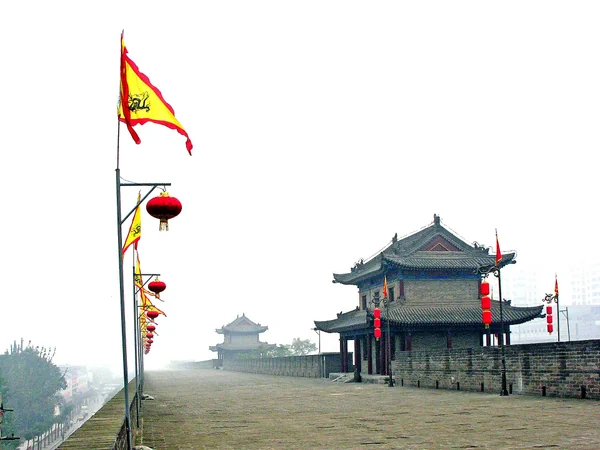
Terracotta Army near Xi'an
Top 3 Nanjing
Nanjing was a capital under several southern regimes, at the beginning of the Ming dynasty and during periods of the Republic of China. Its history is distributed across city walls, mausoleums, museums and modern memorial sites rather than confined to one old quarter. Allow at least two days if you want both imperial and twentieth-century context.
- all of the Six Dynasties: called Jianye (建業 Jiànyè) or Jiankang (建康 Jiànkāng). The Six Dynasties are:
- Kingdom of Wu during the Three Kingdoms
- Eastern Jin Dynasty
- Liu Song Dynasty
- Southern Qi Dynasty
- Liang Dynasty
- Chen Dynasty
- Ming Dynasty before Yongle Emperor moved the capital to Beijing.
- Taiping Tianguo (Heavenly Kingdom of Great Peace and Prosperity) during the Taiping Rebellion. Known as Tianjing (天京, literally ‘Heavenly Capital') between 1853 and its fall in 1864
- Republic of China after the Northern Expedition until the Japanese invasion in 1937 of WWII, and after the war until Chiang Kai-Shek retreated to Taiwan in 1949.
- Wang Jingwei's pro-Japanese collaborationist government.
Historical attractions in Nanjing:
The Confucius Temple area introduces the Qinhuai cultural landscape, Ming Xiaoling Mausoleum explains early Ming state ritual, and Zhonghua Gate reveals the scale of the Ming city defenses. Add the Nanjing Museum or a carefully chosen modern-history site instead of trying to see every period in one day.
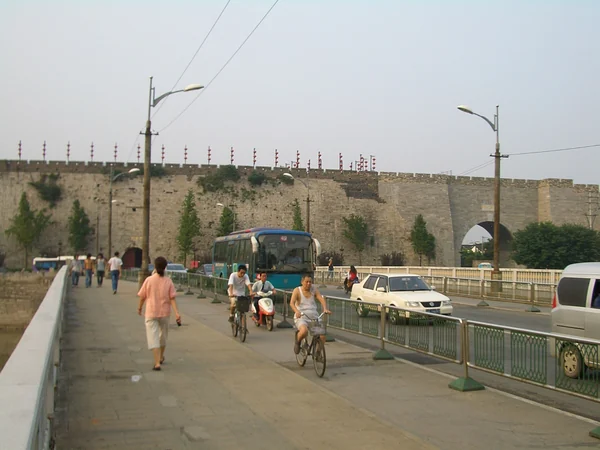
Zhonghua Gate in Nanjing
Top 4 Luoyang
Luoyang occupied a strategic position near the Yellow River and served as a capital in several major periods, including the Eastern Zhou, Eastern Han and Northern Wei. Its importance is best understood through archaeological landscapes and religious art beyond the modern center, especially Longmen and the remains of earlier capital zones.
- Eastern Zhou Dynasty
- Eastern Han Dynasty from 25 to 220
- Kingdom of Wei during the Three Kingdoms.
- Western Jin Dynasty
- Northern Wei Dynasty since 493, moved its capital from Datong.
- Later Tang Dynasty during the Period of Five Dynasties and Ten Kingdoms
Historical attractions in Luoyang:
White Horse Temple,
Guanlin Temple and the UNESCO-listed
Longmen Grottoes represent different layers of religious and political history. Longmen needs substantial walking and deserves more time than a quick exterior stop.
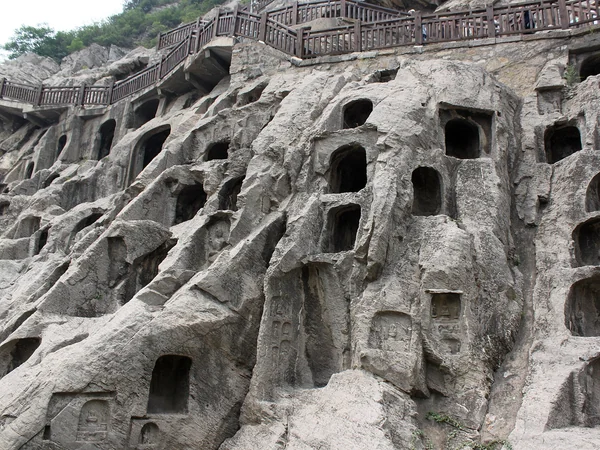
Longmen Grottoes near Luoyang
Top 5 Kaifeng
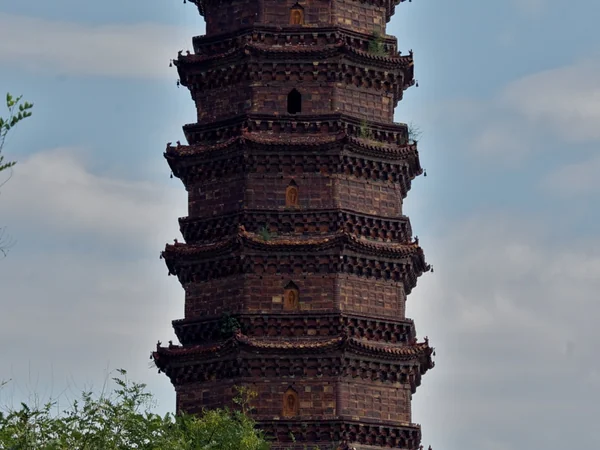
Kaifeng was the Northern Song capital known as Dongjing and also served as a capital under several Five Dynasties regimes. Repeated Yellow River flooding and later rebuilding mean its history is read through surviving monuments, urban memory, museums and archaeology rather than a fully preserved Song city.
- Later Liang Dynasty during the Period of Five Dynasties and Ten Kingdoms
- Later Jin Dynasty during the Period of Five Dynasties and Ten Kingdoms
- Later Han Dynasty during the Period of Five Dynasties and Ten Kingdoms
- Later Zhou Dynasty during the Period of Five Dynasties and Ten Kingdoms
- Northern Song Dynasty: called Dongjing (東京 Dōngjīng)
Historical attractions in Kaifeng:


 Ask a Question