Your China & Yunnan Travel Experts


 Ask a Question
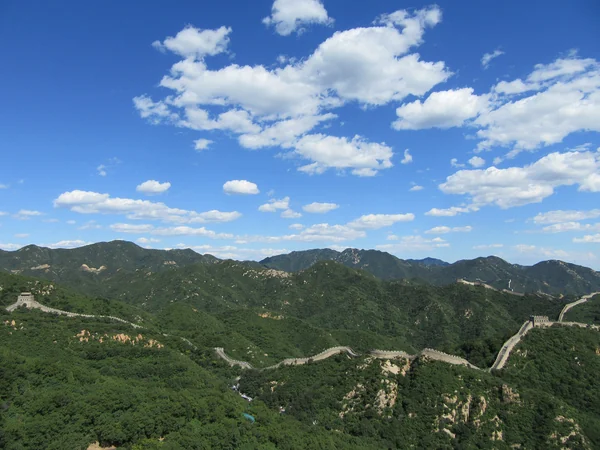
UNESCO inscribed The Great Wall in 1987 as one vast cultural property whose surviving walls, passes, fortresses and beacon towers extend across northern China. Badaling is a restored Ming-era visitor section northwest of central Beijing, not the whole 20,000-plus-kilometre heritage system. It works well for a first visit because transport, surfaced paths, cable-car options and visitor services are comparatively developed. Read the Great Wall guide before choosing it over Mutianyu, Jinshanling or another legally open section.
The Forbidden City in central Beijing is the visitor-facing Beijing component of a serial property, while Shenyang's palace is a separate component with its own history, ticket and travel day.
Planning note:
Book the exact palace and date, then build the day around its entry controls: Beijing planning guide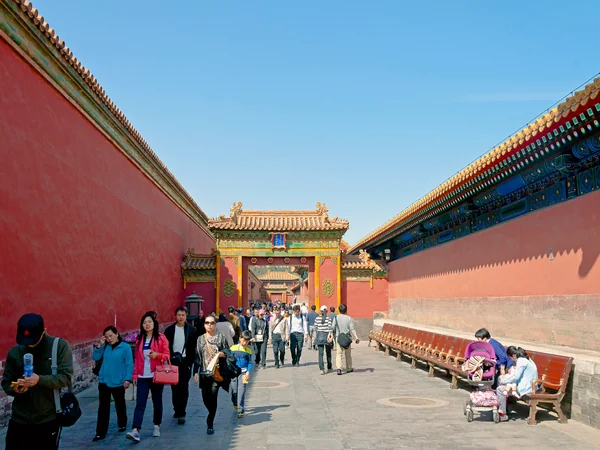
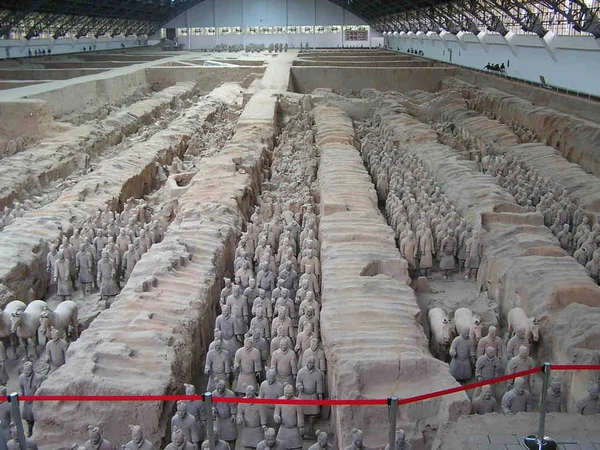
The Terracotta Army The museum display pits near Lintong are part of the Mausoleum of the First Qin Emperor, inscribed in 1987. Construction began in 246 BCE; the terracotta soldiers, horses, chariots and weapons reflect the military organization and technical skill associated with the Qin empire. The familiar excavation halls are only part of a property containing the burial mound, ritual remains and numerous accompanying pits, so “Terracotta Warriors” is a visitor shorthand rather than UNESCO's official property name.
The site is evidence, not a stage set: many figures remain unexcavated, conservation decisions are deliberate, and colour pigments can be fragile after exposure. Avoid claims that every warrior is an exact portrait; individualised features and ranks are visible, but interpretation should follow current archaeological evidence.
Planning note: Reserve enough time for the museum pits and wider mausoleum context: Xi'an tours
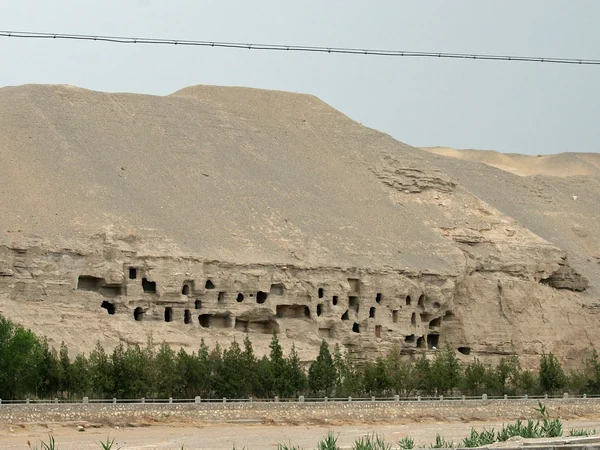
Mogao Caves lie southeast of Dunhuang and were inscribed in 1987. Their murals, sculptures, manuscripts and cave architecture document religious practice and exchange among China, Central Asia and India from the fourth to fourteenth centuries. A standard visit normally includes a timed digital presentation and a guided selection of open caves; the precise caves rotate for conservation and cannot be guaranteed in advance. Capacity is controlled, popular dates can sell out, and late arrival may affect entry. Reserve through the current official channel, use the designated transport, and allow extra time between Dunhuang city and the visitor centre. Inside the caves, photography and bright light are commonly restricted because exposure, dust and crowding affect fragile surfaces. Follow the guide, do not touch walls or door frames, and treat a closed cave as conservation rather than a missing attraction.
Continue planning a Gansu route: Silk Road tours
|
UNESCO World Heritage Sites in China: all 61 properties in 43 planning rows
|
|||||
|
UNESCO property / planning cluster
|
Type
|
Inscribed
|
Main location
|
Travel-planning note
|
|
|
Ancient Building Complex in the Wudang Mountains / Historic Monuments of Dengfeng in “The Centre of Heaven and Earth”
|
Cultural
|
1994 / 2010
|
Hubei / Henan
|
Taoist mountain architecture; allow for stairs and weather. / Multiple monuments around Dengfeng; Shaolin is only one component.
|
|
|
Ancient City of Ping Yao / Old Town of Lijiang
|
Cultural
|
1997 / 1997
|
Shanxi / Yunnan
|
Walled-city stay; walk rather than rush the lanes. / Go beyond commercial lanes; protect residential quiet.
|
|
|
Ancient Villages in Southern Anhui – Xidi and Hongcun / Fujian Tulou
|
Cultural
|
2000 / 2008
|
Anhui / Fujian
|
Two principal villages; check separate access and crowd controls. / Serial earthen-building clusters; residents still live here.
|
|
|
Archaeological Ruins of Liangzhu City / Yin Xu
|
Cultural
|
2019 / 2006
|
Zhejiang / Henan
|
Combine the archaeological park with museum interpretation. / Shang capital archaeology in Anyang; prioritize museum interpretation.
|
|
|
Beijing Central Axis: A Building Ensemble Exhibiting the Ideal Order of the Chinese Capital / Temple of Heaven: an Imperial Sacrificial Altar in Beijing
|
Cultural
|
2024 / 1998
|
Beijing / Beijing
|
Serial urban ensemble; select components for a full-day route. / Arrive early for architecture and contemporary park life.
|
|
|
Capital Cities and Tombs of the Ancient Koguryo Kingdom / Imperial Tombs of the Ming and Qing Dynasties
|
Cultural
|
2004 / 2000, 2003, 2004
|
Jilin and Liaoning / Beijing, Hebei, Jiangsu and Liaoning
|
Dispersed archaeological components; arrange local transport. / Large serial property; choose a tomb group, not a single-day sweep.
|
|
|
Classical Gardens of Suzhou / West Lake Cultural Landscape of Hangzhou
|
Cultural
|
1997, 2000 / 2011
|
Jiangsu / Zhejiang
|
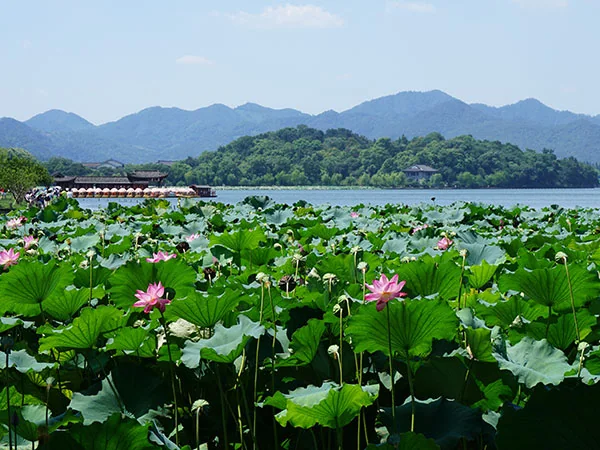
Nine gardens; two or three make a more readable day. / Walk, cycle or boat a limited circuit rather than the whole shore.
|
|
|
Cultural Landscape of Honghe Hani Rice Terraces / Cultural Landscape of Old Tea Forests of the Jingmai Mountain in Pu'er
|
Cultural
|
2013 / 2023
|
Yunnan / Yunnan
|
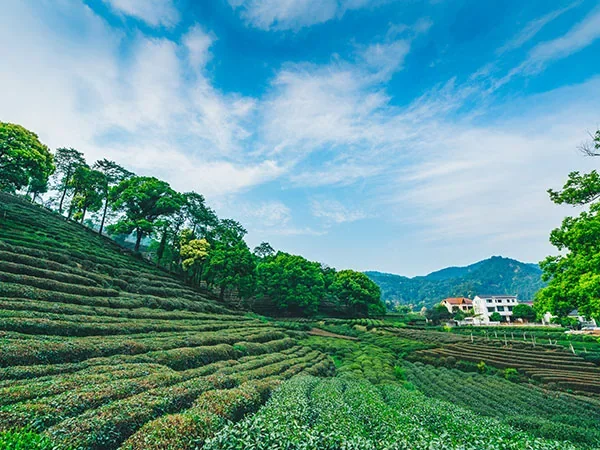
Village and terrace landscape; respect farms and seasonal visibility. / Living tea landscape; use community-based access.
|
|
|
Dazu Rock Carvings / Longmen Grottoes
|
Cultural
|
1999 / 2000
|
Chongqing / Henan
|
Rock-art groups are dispersed; Baodingshan is the common base. / Long riverside walk with exposed steps and seasonal heat.
|
|
|
Historic Centre of Macao / Kulangsu, a Historic International Settlement
|
Cultural
|
2005 / 2017
|
Macao SAR / Fujian
|
Urban walking route; link churches, squares and fortifications. / Car-free island streets; reserve ferry and manage luggage.
|
|
|
Historic Ensemble of the Potala Palace, Lhasa / Mount Wutai
|
Cultural
|
1994, 2000, 2001 / 2009
|
Tibet / Shanxi
|
Includes Potala, Jokhang and Norbulingka; plan permits and altitude. / Living Buddhist landscape at altitude; dress and behave respectfully.
|
|
|
Imperial Palaces of the Ming and Qing Dynasties in Beijing and Shenyang / Summer Palace, an Imperial Garden in Beijing
|
Cultural
|
1987, 2004 / 1998
|
Beijing and Liaoning / Beijing
|
Two palace components in different cities. / Large lake-and-hill complex; choose a realistic walking circuit.
|
|
|
Quanzhou: Emporium of the World in Song-Yuan China / Silk Roads: the Routes Network of Chang'an-Tianshan Corridor
|
Cultural
|
2021 / 2014
|
Fujian / China, Kazakhstan and Kyrgyzstan
|
Twenty-two serial components across the port city and hinterland. / Transnational serial route; Chinese components span several regions.
|
|
|
Jingdezhen Handicraft Porcelain Industry Sites
|
Cultural
|
2026
|
Jiangxi
|
Five-component porcelain landscape; verify newly opened visitor routes.
|
|
|
Kaiping Diaolou and Villages
|
Cultural
|
2007
|
Guangdong
|
Village towers are scattered; a car or guided loop helps.
|
|
|
Lushan National Park
|
Cultural
|
1996
|
Jiangxi
|
Cultural mountain landscape; distinguish it from a natural listing.
|
|
|
Mausoleum of the First Qin Emperor
|
Cultural
|
1987
|
Shaanxi
|
Terracotta pits plus wider mausoleum context near Xi'an.
|
|
|
Mogao Caves
|
Cultural
|
1987
|
Gansu
|
Timed cave visit; book ahead and follow conservation rules.
|
|
|
Mount Qingcheng and the Dujiangyan Irrigation System
|
Cultural
|
2000
|
Sichuan
|
Two complementary components; a relaxed plan needs two days.
|
|
|
Mountain Resort and its Outlying Temples, Chengde
|
Cultural
|
1994
|
Hebei
|
Resort and temple components require substantial walking.
|
|
|
Peking Man Site at Zhoukoudian
|
Cultural
|
1987
|
Beijing
|
Archaeological site southwest of central Beijing.
|
|
|
Site of Xanadu
|
Cultural
|
2012
|
Inner Mongolia
|
Open archaeological landscape; prepare for wind and limited shade.
|
|
|
Temple and Cemetery of Confucius and the Kong Family Mansion in Qufu
|
Cultural
|
1994
|
Shandong
|
Three related components in Qufu.
|
|
|
The Grand Canal
|
Cultural
|
2014
|
Multi-provincial eastern China
|
Serial waterway system; plan by city or canal section.
|
|
|
The Great Wall
|
Cultural
|
1987
|
Multi-provincial northern China
|
Choose one legally open section and suitable difficulty.
|
|
|
Tusi Sites
|
Cultural
|
2015
|
Hunan, Hubei and Guizhou
|
Three distant components; not a single itinerary stop.
|
|
|
Xixia Imperial Tombs
|
Cultural
|
2025
|
Ningxia
|
Necropolis near the Helan Mountains; pair archaeology with museum context.
|
|
|
Yungang Grottoes
|
Cultural
|
2001
|
Shanxi
|
Cave-temple complex west of Datong; observe photography controls.
|
|
|
Zuojiang Huashan Rock Art Cultural Landscape
|
Cultural
|
2016
|
Guangxi
|
River-and-cliff landscape; approved boat access is typical.
|
|
|
Badain Jaran Desert – Towers of Sand and Lakes / China Danxia
|
Natural
|
2024 / 2010
|
Inner Mongolia / Six provinces in southeast China
|
Remote desert logistics; use authorized operators and camps. / Six serial components; choose one region rather than linking them casually.
|
|
|
Chengjiang Fossil Site / Hubei Shennongjia
|
Natural
|
2012 / 2016
|
Yunnan / Hubei
|
Fossil landscape and museum; collecting is prohibited. / Two main components; forest roads and wildlife rules shape access.
|
|
|
Fanjingshan / Mount Sanqingshan National Park
|
Natural
|
2018 / 2008
|
Guizhou / Jiangxi
|
Mountain biodiversity; quotas, cableway and cloud affect the day. / Granite landscape with long mountain walks and variable cloud.
|
|
|
Huanglong Scenic and Historic Interest Area / Jiuzhaigou Valley Scenic and Historic Interest Area
|
Natural
|
1992 / 1992
|
Sichuan / Sichuan
|
High-elevation travertine landscape; acclimatize and stay on boardwalks. / Managed shuttle-and-boardwalk system; follow open-route notices.
|
|
|
Sichuan Giant Panda Sanctuaries – Wolong, Mt Siguniang and Jiajin Mountains / Three Parallel Rivers of Yunnan Protected Areas
|
Natural
|
2006 / 2003
|
Sichuan / Yunnan
|
Large habitat network; confirm the exact public component. / Multi-component mountain property; specialist logistics are essential.
|
|
|
Migratory Bird Sanctuaries along the Coast of Yellow Sea-Bohai Gulf of China
|
Natural
|
2019, 2024
|
Yellow Sea-Bohai coast
|
Serial wetland components; observe birds from permitted areas.
|
|
|
Qinghai Hoh Xil
|
Natural
|
2017
|
Qinghai
|
Remote high plateau; access is controlled and altitude is serious.
|
|
|
South China Karst
|
Natural
|
2007, 2014
|
Yunnan, Guizhou, Chongqing and Guangxi
|
Serial karst landscapes; components are far apart.
|
|
|
Wulingyuan Scenic and Historic Interest Area
|
Natural
|
1992
|
Hunan
|
Large pillar landscape; use shuttles and avoid over-packed routes.
|
|
|
Xinjiang Tianshan
|
Natural
|
2013
|
Xinjiang
|
Four components across vast distances; plan one regional base.
|
|
|
Mount Emei Scenic Area, including Leshan Giant Buddha Scenic Area
|
Mixed
|
1996
|
Sichuan
|
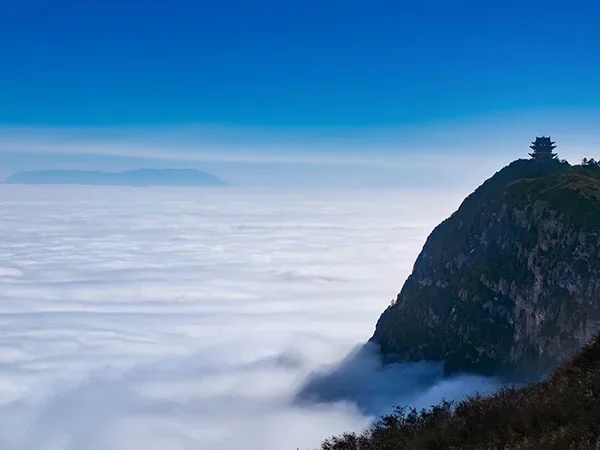
Cultural and natural values; mountain and Buddha need separate time.
|
|
|
Mount Huangshan
|
Mixed
|
1990
|
Anhui
|
Granite peaks, pines and cultural tradition; reserve summit logistics.
|
|
|
Mount Taishan
|
Mixed
|
1987
|
Shandong
|
Sacred mountain and inscriptions; choose hike, bus or cableway.
|
|
|
Mount Wuyi
|
Mixed
|
1999
|
Fujian and Jiangxi
|
Biodiversity and cultural components; identify the exact scenic route.
|
|