Xi'an antique markets: current-use guide and evidence limits
Status: The market names below are retained because travelers still encounter them in older guides and map listings. English transliterations vary, and two pins with similar names may refer to different buildings, former sites or small vendor clusters. Save the Chinese name and phone number from a current listing before departure.
Verify the current entrance, opening day and tenant activity before making a special trip; no fixed 2026 hours are asserted here. Ask whether ordinary shops, a weekend fair or both will operate on the day you plan to visit. Weather and holiday management can change outdoor vendor attendance.
Reviewed August 28, 2026. Xi'an's long history makes ceramics, coins, calligraphy, replicas and folk objects appealing, but a market location never proves age or authenticity. Archaeological importance also increases the need for careful provenance: objects said to be excavated, tomb-related or newly “found” should be treated as serious warning signs rather than exciting bargains.
Use the Xi'an travel guide to combine browsing with a city-wall or museum day.
• Market Features
Decide whether you want a modern souvenir, decorative reproduction, vintage household object or claimed cultural relic before comparing prices. A modern replica can be a legitimate, attractive purchase when it is described honestly. Ask the seller to separate known facts from attribution: material and dimensions may be observable, while date, workshop and former ownership require evidence.
Never treat patina, soil, a dynasty name or a seller-issued certificate as independent authentication.
Ask for material, claimed date, known repairs, seller identity, price and return terms in writing. Photograph all sides, marks and damage with permission before the item is wrapped. If the written description becomes vaguer than the spoken sales claim, pause the purchase. Keep messages and payment records together with the receipt.
For high-value objects, use a qualified independent specialist and lawful export channels. The specialist should not depend on the sale, and a valuation is not the same as an export appraisal. Build enough time into the trip for official procedures; do not accept an offer to conceal, relabel or split an object to avoid review.
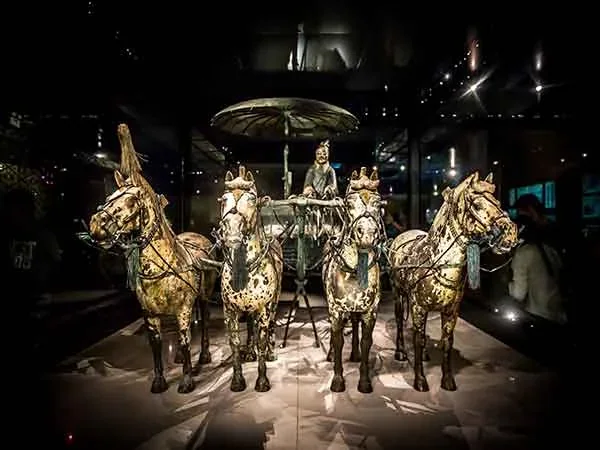
The first retained photograph shows a real Xi'an antique-market setting and supports the overview without endorsing a stall.
Verify before travelling
Xi'an Antique Market / Zhuque-area listings Location:
Older guides associate this name with the Zhuque Avenue area. Search the current Chinese venue name and confirm the pin with the venue before departure.
Mixed-vendor markets may include ceramics, furniture, coins, stones, paintings, calligraphy, books and modern reproductions. Start with a complete walk-through and note comparable items before discussing price. Natural stone, jade-looking material and glass can be difficult to distinguish by sight; request a verifiable laboratory report for a consequential gemstone purchase rather than trusting a flashlight demonstration.
Do not repeat the unsupported claim that thousands of displayed pieces are genuine. For ceramics, inspect the foot, glaze, cracks and restoration under neutral light; for furniture, check joints, active insects and later repairs. Fresh grinding, matching scratches across repaired areas, uniform artificial staining and identical pieces sold as “unique” all deserve questions, although no single clue conclusively dates an object.
Core rule
What to record
Photograph the item with permission, note the stall or shop number and retain the receipt. Record measurements and weight for objects where substitution is possible, and photograph the wrapping process for fragile ceramics. Agree whether the seller or buyer bears the risk if a local courier is used.
A business licence identifies the seller; it does not authenticate each object or automatically authorize cultural-relic export.
Baxiangong-area antique market Location:
Beilin District near the Eight Immortals Temple area; use a current map and keep market browsing separate from respectful temple visiting.
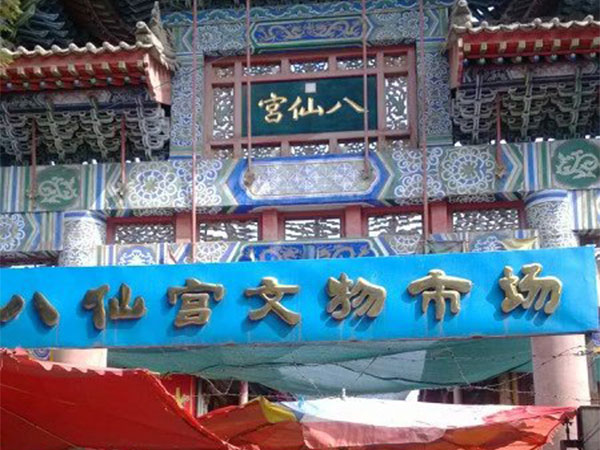
Older accounts connect this market with coins and small collectibles. The second retained photograph is appropriate historical location context. Current stalls may have a different mix, so do not promise a specialist coin floor without confirmation. Temple visitors should avoid photographing worshippers or placing purchases on religious furniture.
Coin counterfeits and altered pieces can be difficult to identify. Do not clean a coin, test metal with chemicals or accept a rare attribution without independent evidence. Cast copies, added patina, repaired holes and assembled sets can mislead non-specialists. A scale and caliper provide measurements, not authenticity; compare the result with a reliable catalogue and seek specialist help.
Market character
Small objects are easy to carry but not necessarily low risk.
Religious imagery and temple proximity do not prove that an item is old, blessed or ethically sourced.
Buying advice
Compare diameter, weight, edge, inscriptions, condition and provenance with a specialist reference before any consequential purchase. Handle coins by the edge over a soft surface when the seller permits. Paper currency and rubbings need checks for trimming, stains, tape and replacement sections. Store purchases in inert holders rather than soft plastic containing unknown additives.
Northwest Antique Market listings Location:
Older listings place this market near the north section of Shuncheng East Road. Recheck the name, entrance and active floors on the day. The city-wall area contains several similarly described roads and gates; match the Chinese characters, not only an English pin. Allow extra time if security, parking or renovation changes pedestrian access.
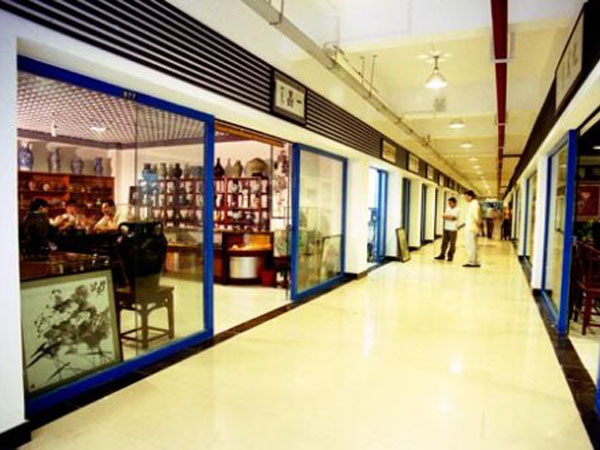
The third retained photograph shows a market interior, not proof that every vendor or category remains unchanged. Commonly described categories include coins, bronze-looking objects, picture books and comics.
Paper requires checks for mould, brittleness, replaced pages, trimming and new staining; metal requires checks for casting seams, repairs and artificial patina. For albums, count pages and verify that captions belong to the images. For paintings, examine mounting, creases and insect loss without unrolling beyond what the seller can safely support. A famous-looking seal is an attribution claim, not proof of the artist.
Buying checklist
Compare like with like, ask the price before bargaining and walk away from pressure, secrecy or a request to misdescribe the object. Agree on the final total, currency, included box and delivery before paying. Do not leave a passport as collateral. If the purchase is mainly decorative, ask for a receipt that clearly says modern reproduction; honest documentation protects both the traveler and legitimate seller.
China Customs requires declaration and the lawful permit process for cultural relics that fall under export controls. An ordinary invoice is not an export permit. Choose a clearly documented modern reproduction when provenance is uncertain. For contemporary food and crafts, browse the Muslim Street guide; for safer regional gifts, see Xi'an local specialties. Last reviewed August 28, 2026.

 Ask a Question