Your China & Yunnan Travel Experts

 Ask a Question
February in China is a late-winter transition, not a nationwide start of spring. A north-to-south itinerary can move from deep cold and snow to cool rain or mild afternoons in the same week. Use this guide for route decisions, then compare conditions immediately before travel. If your trip begins earlier, check the January weather guide.
Long-term averages describe typical climate; they do not predict the week you will visit. February can bring strong cold waves, snow, freezing rain and abrupt temperature drops across northern, central and even parts of southern China. Build flexibility into rail, road and flight connections, especially around exposed mountain routes.
Useful planning pattern:
Precipitation and disruption: The north is usually drier than the southeast, but individual snow events can be operationally important. The China climate guide explains the broader monsoon pattern. For 2026, the official Spring Festival holiday ran 15–23 February and the travel rush extended beyond those dates; future travelers must check the current State Council holiday notice and transport timetable rather than reuse 2026 dates.
Northern China remains decidedly wintry in February. Harbin is the coldest of these examples and should be planned as a snow-and-ice trip; Beijing and Xi'an can alternate between clear, dry days and sharp cold fronts. Do not treat a sunny photograph as evidence of warmth. Ice festivals, ski areas and mountain attractions can shorten hours when wind or temperature makes operations unsafe.
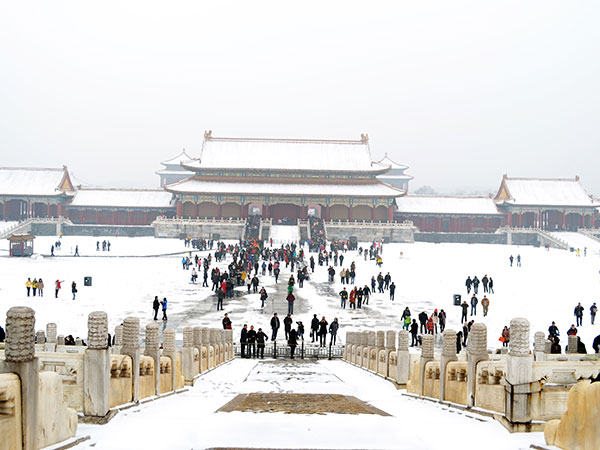
Xi'an is generally less severe than Harbin but still requires a winter coat, warm evening layers and shoes suited to cold stone surfaces. Indoor museums and the Terracotta Army make reliable weather backups; check road conditions before an outlying day trip after snow.
Practical check: Pack a base layer, insulation and a windproof shell; add gloves, a warm hat and water-resistant footwear. Keep batteries warm, schedule indoor breaks and leave extra time for icy station approaches.
Shanghai and Wuhan can feel colder than the thermometer suggests because of damp air, rain and wind. Use layers that are easy to remove indoors, and keep a museum, garden pavilion or food-focused alternative for a wet afternoon. River and skyline viewpoints are best kept flexible when fog reduces visibility.
Chengdu is often cool, overcast and humid rather than severely cold. Panda viewing, museums and teahouses can fit a drizzly day, but animals choose their own activity pattern and no season guarantees a particular behavior.
Guangzhou may offer mild afternoons, while rain and a passing cold front can still require a jacket. Choose breathable layers, a compact rain shell and shoes that dry quickly rather than packing for permanent spring.
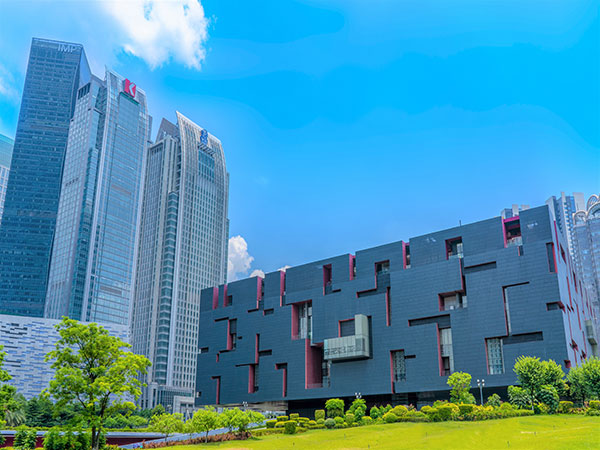
Kunming's elevation creates strong sun and cool mornings even when afternoons are pleasant. Yunnan also contains much colder highland destinations, so a Kunming forecast cannot stand in for Lijiang, Shangri-La or a mountain route.
Practical check: Carry an umbrella or rain shell, but also check wind and lightning notices before exposed walks. Reserve an indoor alternative for a wet or low-visibility day.
Western China can remain severely cold in February , particularly at elevation and after sunset. Distances are large, daylight is limited and road access can change after snow or strong wind. Clear skies do not eliminate altitude risk. Confirm permits and operator arrangements for Tibet, avoid an overfull arrival day, and use official weather and transport notices.
Practical check: Insulated layers, sun and eye protection, reliable footwear and conservative scheduling matter more than chasing one average temperature. Continue with the March weather guide if the trip crosses into early spring. This page was reviewed on 26 August 2026 against WMO, CMA and current Chinese government sources.
►Heilongjiang-Harbin
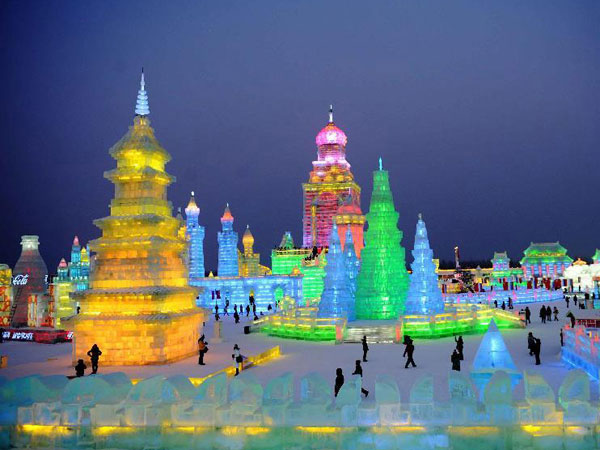
For snow lovers, Harbin remains a top choice in February. The city's famous Ice and Snow Festival showcases massive ice sculptures, ice castles, and intricate designs crafted from blocks of ice taken from the Songhua River. These sculptures are particularly breathtaking when lit up at night. Harbin's Siberian tiger park and the chance to explore the city's Russian architectural influences also make it a memorable winter destination. Subzero temperatures, often as low as -15°C, add to the frosty allure of this icy wonderland.
►Hainan-Haikou
If you're looking for a tropical escape, Hainan Island, especially Haikou and Sanya, offers the perfect getaway. February is the best time to visit, as it remains warm and pleasant while much of the country is cold. The average temperature ranges from 20°C to 26°C, providing an ideal climate for beach activities, including swimming, diving, and sunbathing. Hainan's coastal beauty, with its clear waters and sandy beaches, makes it a popular destination for those looking to relax and soak up the sun. Sanya's coral reefs are also perfect for diving enthusiasts.
►Fujian-Xiamen
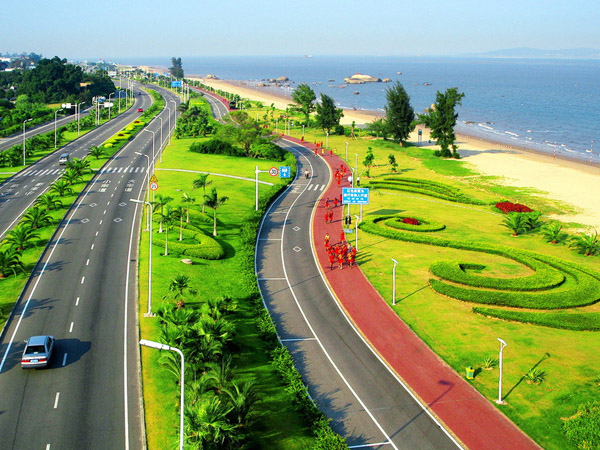
Known for its charming coastal scenery and Gulangyu Island, Xiamen is an excellent February destination. With mild temperatures around 10°C to 17°C, the city offers a relaxed atmosphere for walking, cycling, and exploring its temples and parks. February also coincides with the Lantern Festival (Yuanxiao Festival), where streets and temples are decorated with colorful lanterns, and celebrations such as dragon dances, lion dances, and fireworks take place. Xiamen's festive ambiance and cultural richness make it a great city to visit during this time.
Yunnan-Mangshi
If you're after an off-the-beaten-path destination, Mangshi in Yunnan Province is a fantastic choice. It offers the same tropical warmth and scenic beauty as Xishuangbanna, but with fewer crowds. With temperatures ranging from 15°C to 25°C, Mangshi is ideal for outdoor activities, including hiking and exploring its rich Buddhist culture, with temples and pagodas scattered throughout the region. Its year-round greenery and vibrant landscapes make it a peaceful yet exotic destination in February.
Yunnan – Luoping
February marks the beginning of Luoping's world-renowned rapeseed flower season. As one of the largest natural flower gardens on the planet, Luoping transforms into a golden sea, with rolling fields of vibrant yellow rapeseed flowers stretching across the landscape. The stunning views are perfect for photography, and hiking through these flower-filled fields offers a peaceful and scenic experience. With temperatures ranging from 8°C to 18°C, February is the ideal time to witness the blooming spectacle, which lasts through March.

8 Days Kunming to Guizhou Natural Scenery Tour
Kuming, Xingyi, Anshun, Guiyang, Kaili, Liping, Zhaoxing
Guizhou – Wanfenglin (万峰林)
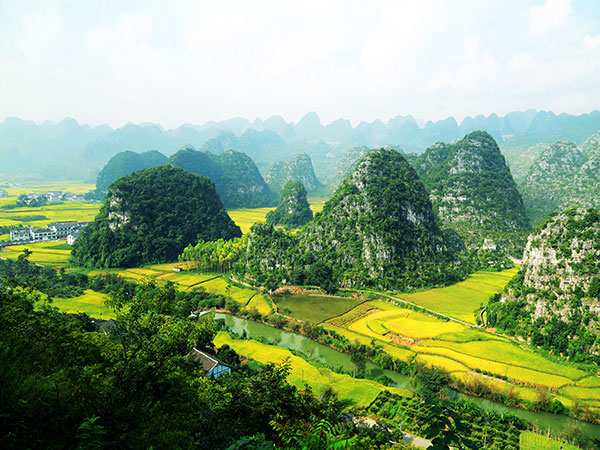
The Wanfenglin Scenic Area in Guizhou is renowned for its breathtaking karst mountains and unique formations. In February, the landscape comes alive with the blooming of vast fields of rapeseed flowers. The striking yellow flowers blanket the base of the jagged peaks, creating a picturesque rural scene. With cooler temperatures between 8°C and 15°C, visitors can enjoy hiking, cycling through flower fields, and boating on the region's serene lakes. Wanfenglin's combination of natural beauty and outdoor activities makes it a must-visit in early spring.
| Region | Destination | February Weather | Why Visit in February | Best For |
| South China | Sanya (Hainan) | 20–26°C, warm & dry | Best beach destination in China for winter sun | Beach holidays, families, couples |
| South China | Beihai (Guangxi) | 15–22°C, mild | Fewer tourists, fresh seafood, relaxed seaside vibe | Slow travel, seniors |
| South China | Guangzhou (Guangdong) | 10–20°C | Lively Chinese New Year atmosphere, famous cuisine | Food lovers, city sightseeing |
| Southwest China | Kunming (Yunnan) | 8–20°C | Known as the “Spring City,” pleasant climate year-round | Leisure travel, photography |
| Southwest China | Dali (Yunnan) | 6–18°C | Clear skies over Erhai Lake, quieter than peak seasons | Couples, cultural travelers |
| Southwest China | Lijiang (Yunnan) | 0–15°C | Snow-capped Jade Dragon Snow Mountain and old town scenery | Photography, in-depth travel |
| Southwest China | Panzhihua (Sichuan) | 15–25°C | One of China's warmest winter cities, sunshine and flowers | Winter escape, wellness trips |
| Southwest China | Xingyi (Guizhou) | 10–20°C | Karst landscapes and peaceful countryside | Nature lovers |
| East China | Xiamen (Fujian) | 10–18°C | Comfortable climate and fewer crowds | Relaxed city breaks |
| East China | Quanzhou (Fujian) | 10–18°C | Rich heritage, temples, and traditional Lunar New Year customs | Culture & history enthusiasts |
| Central China | Fenghuang Ancient Town (Hunan) | 5–15°C | Quiet winter atmosphere, picturesque riverside town | Photography, slow travel |
| Central China | Enshi (Hubei) | 0–10°C | Winter gorges, misty mountains, and dramatic scenery | Outdoor & nature travelers |
| Northwest China | Xi'an (Shaanxi) | -2–8°C | Strong Chinese New Year vibe, excellent museums | History & culture lovers |
| Northwest China | Dunhuang (Gansu) | -10–5°C | Low tourist season, ideal for exploring Mogao Caves | Off-the-beaten-path travelers |
| North China | Beijing | -8–5°C | Fewer visitors at major sights, great museums | First-time visitors, culture trips |
| Northeast China | Harbin | -25 to -10°C | World-famous Ice and Snow Festival | Winter experiences, families |
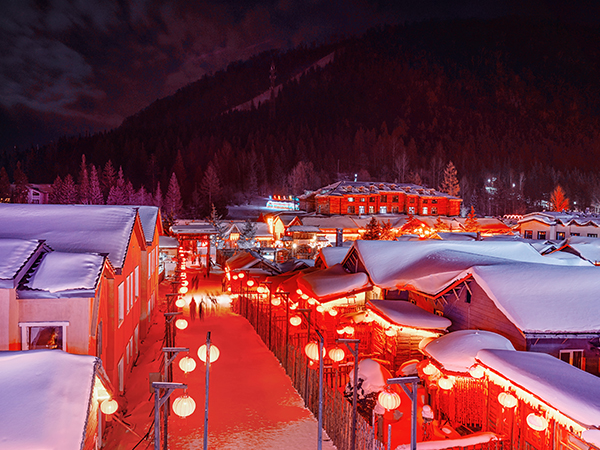
| Northeast China | China Snow Town (Xuexiang) | -20 to -10°C | Fairytale snow scenery and traditional houses | Photography, winter lovers |
Special Reminder
The 2026 Spring Festival holiday runs from February 15 (the 28th day of the 12th lunar month, Sunday) to February 23 (the 7th day of the first lunar month, Monday), totaling 9 days. During this period, China witnesses an unprecedented travel surge as hundreds of millions of people hit the road for family reunions or trips, leading to severe overcrowding at scenic spots, train stations, airports, and popular tourist areas. Meanwhile, tourism – related costs, especially hotel room rates, flight tickets, and even some local tour package prices, usually surge significantly due to the soaring demand. If you are sensitive to large crowds and inflated prices, it is advisable to avoid traveling during the Spring Festival holiday and choose the off – peak period before or after the festival for a more comfortable and cost – effective trip.