Your China & Yunnan Travel Experts

 Ask a Question
Junko Tabei: First Woman to Summit Mount Everest
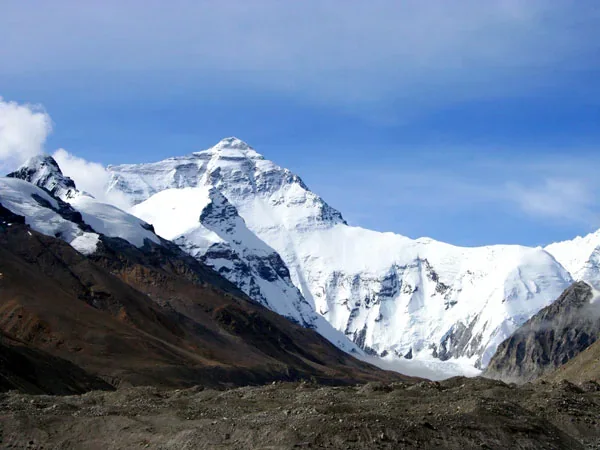
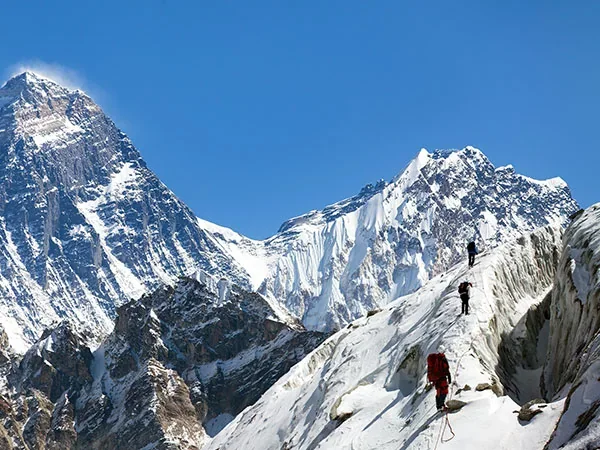
Japanese mountaineer Junko Tabei reached the summit of Mount Everest on May 16, 1975, becoming the first woman known to do so. She climbed with Sherpa mountaineer Ang Tshering as part of the Japanese Women's Everest Expedition. The record is important, but her career is better understood through preparation, team recovery after an avalanche, later expeditions and environmental work—not through a single “first.” Reviewed August 29, 2026.
Everest's jointly announced official height is 8,848.86 metres, not the obsolete figures repeated in older copies of this page. The 1975 team used the Southeast Ridge from Nepal, the route of the 1953 first confirmed ascent. Compare that earlier expedition in Hillary and Tenzing's ascent.
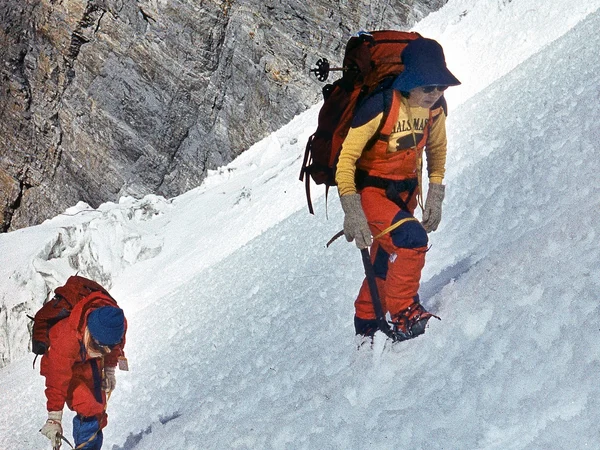
Tabei was born in Miharu, Fukushima Prefecture, on September 22, 1939. She first encountered mountain walking during a school trip to Mount Nasu at age ten. Her small stature and modest family circumstances did not match the assumptions surrounding elite mountaineering, a tension she later discussed openly.
She studied English and American literature at Showa Women's University and climbed with its mountaineering club. After graduation she continued in Japanese ranges and the European Alps, building the practical skills and expedition network needed for higher peaks.
Tabei married climber Masanobu Tabei in 1965. Biographical details about her family can provide context, but they should not be used to frame her achievement as unusual only because she was a wife or mother. Her record came from sustained technical experience and team leadership.
In 1969 she helped establish the Ladies Climbing Club: Japan. Its purpose was to create opportunities for women who were excluded from or underestimated by established climbing circles. The group organized its own overseas expeditions rather than waiting for institutional permission.
In 1970, Tabei and club members climbed Annapurna III in Nepal. The mountain is 7,555 metres in commonly cited modern references; older copied versions of this page misnamed both the peak and expedition. The climb gave the team experience with logistics, altitude and decision-making before Everest.
By the early 1970s, Tabei had a substantial record in Japan and abroad. Her path shows why “first woman” should never be mistaken for “inexperienced exception.”
The Japanese Women's Everest Expedition
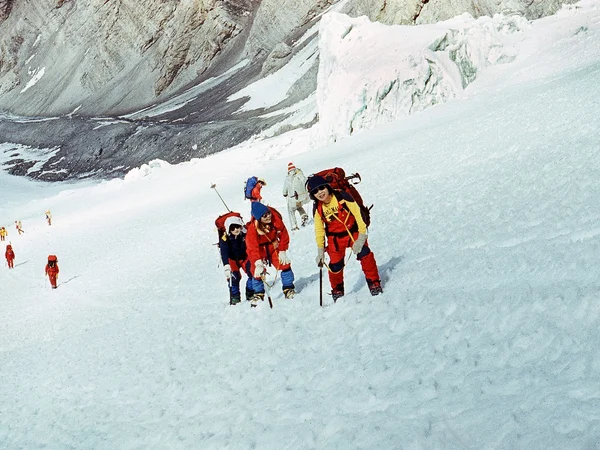
The expedition brought together 15 Japanese women and a supporting Sherpa team. It took years to raise funds, secure permission, train and ship equipment. Media sponsorship helped, but the climbing plan and risk remained the team's responsibility.
On May 4, 1975, an avalanche buried the team's camp. Tabei and others were dug out, and she was injured. After recovery and a reassessment of the route, the expedition continued. This episode should be read as a lesson in contingency and teamwork, not as encouragement to ignore injury or objective danger.
On May 16, Tabei and Ang Tshering left the high camp for the summit. A narrow traverse created a serious obstacle, but they continued and reached the top. The accepted record credits Tabei as the first woman and recognizes Ang Tshering as her summit partner.
Tabei continued climbing after Everest and broadened her focus beyond records. She also promoted mountain access for young people and led environmental projects related to waste on heavily visited peaks.
The “Seven Summits” means the highest peak on each continent, but two common lists differ over whether Oceania is represented by Australia's Mount Kosciuszko or Indonesia's Puncak Jaya. Tabei completed the version including Puncak Jaya in 1992 and is widely recognized as the first woman to complete the Seven Summits.
From $ 1637
From $ 3179