Your China & Yunnan Travel Experts

 Ask a Question
The Tang dynasty ruled from 618 to 907 and made Chang'an a major political and urban center within a broad Eurasian world. Tang power, diplomacy and demand supported periods of intensive exchange, but the dynasty was not uniformly stable or open for three centuries. Frontier control changed, and merchants worked through Central Asian as well as Chinese networks. Silk Road exchange included goods, religious practice, music, artistic forms and technical knowledge. Land routes were especially active in parts of the early Tang, while maritime commerce became increasingly important. “Golden age” is useful only when tied to a particular time and place; it should not erase warfare, unequal power or the work of oasis communities.
The middle and late Tang saw major political changes, including the An Lushan rebellion and altered control in the west. Exchange continued through different routes and actors rather than simply ending. This makes Tang history a study of adaptation, not an uninterrupted peak followed by sudden collapse.
Chang'an and Dunhuang show two different functions. The capital concentrated court, markets and immigrant communities; the oasis and garrison region around Dunhuang connected the Hexi Corridor with branches around the Taklamakan. Neither city alone controlled the entire Silk Roads network.
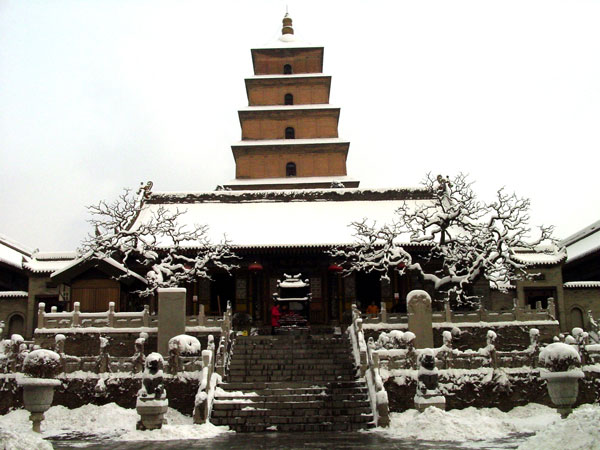
Chang'an (modern Xian ) was laid out as a planned capital with regulated wards and markets. People from Central and West Asia lived, traded and worshipped there, and foreign objects appear in tombs and collections. Modern Xian can provide urban context through museums and surviving religious heritage, but few street surfaces are direct remnants of a merchant route.
The western market is often used to explain foreign trade, yet popular claims about one gate being the exact “starting point” of every caravan oversimplify the city. Begin with the Silk Road history overview and use excavated objects to connect a commodity with a date.
Horses, textiles, glassware, aromatics, metalwork and precious materials circulated toward Chang'an, while Chinese textiles, paper and manufactured goods moved outward through relay trade. The Silk Road goods guide separates early and later commodities instead of presenting one timeless shopping list.
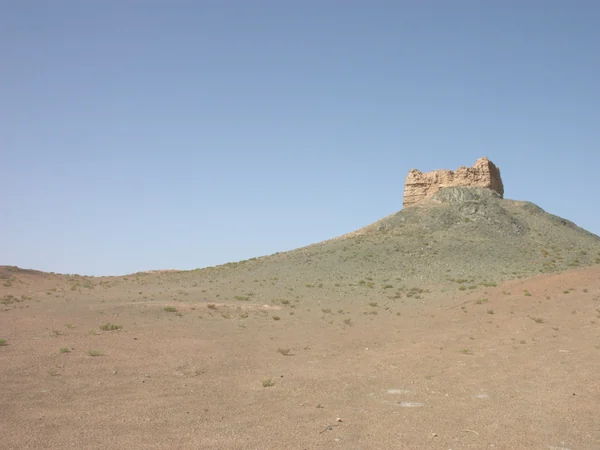
Dunhuang stood near the western end of the Hexi Corridor in Gansu . Its commandery, passes, oasis agriculture and route junction gave it strategic importance. Mogao's caves and Library Cave documents preserve evidence of patrons, languages, contracts, religious communities and travelers across several centuries.
Dunhuang Buddhism was not merely imported art. Local monasteries, donors, translators and officials shaped what was produced and preserved. The journeys in the guide to Buddhist monks on the Silk Road help connect pilgrimage with route infrastructure.
Tang music and visual culture absorbed and transformed influences from Central Asian regions such as Kucha and Gaochang. A court performance or mural is evidence of contact, but it does not prove that every style arrived unchanged from one named country. Travelers should compare museum objects, cave art and modern reconstructions as different categories.
From $ 3510
From $ 3061

From $ 3683