Your China & Yunnan Travel Experts

 Ask a Question
The Silk Roads matter because they reveal how societies were connected without requiring a single traveler or empire to control the whole distance. Regional merchants, envoys, monks, artisans and communities transferred goods and knowledge through repeated contact. For a concise evidence check, use the Silk Road facts guide; for chronology, follow the history of the Silk Roads; and for material exchange, compare goods traded east and west. Significance should be demonstrated through dated sites and objects rather than claims that the routes permanently united the world.
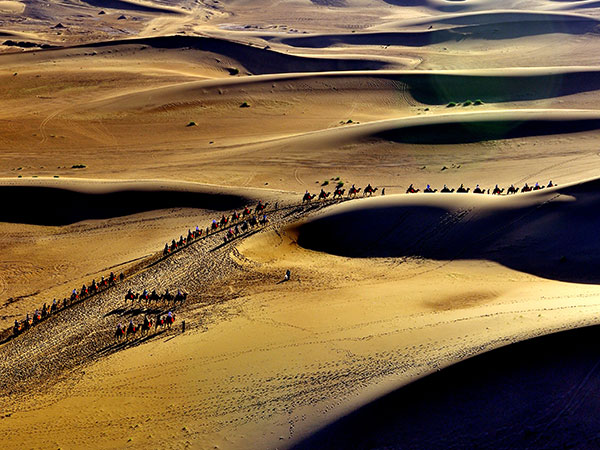
The networks connected imperial capitals, oasis kingdoms, steppe societies, ports and religious centers. Their history shows both cooperation and conflict: diplomacy could enable exchange, while war or taxation redirected it. Han missions and Tang cosmopolitanism are important chapters, not the complete story.
Documents from Dunhuang, objects from tombs and ruins around Turpan provide evidence of real people using several languages and legal systems. They allow historians to reconstruct contracts, donations, letters and daily transactions instead of relying only on court chronicles.
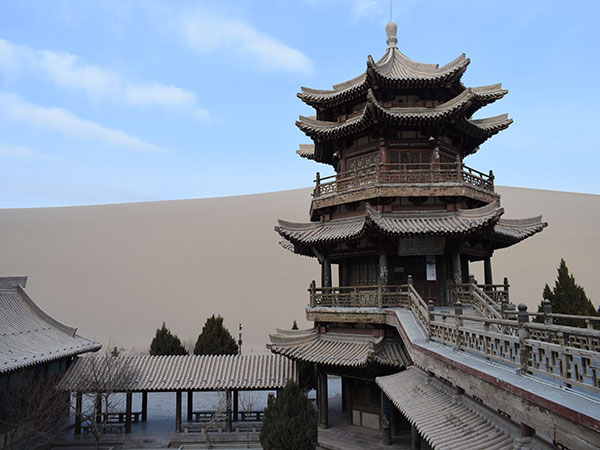
High-value goods could move across long distances because merchants divided the route into regional stages. Silk, horses, glass, metals, paper, aromatics and textiles did not all travel in the same direction or century. Exchange stimulated markets and craft adaptation, while rulers also used taxes, monopolies and gifts to pursue political goals. The economic lesson is a network of intermediaries—not a free-trade corridor in the modern sense.
Buddhist texts and art moved through translation centers, monasteries and patrons. Other traditions—including Zoroastrianism, Manichaeism and forms of Christianity—also appear in particular Silk Road communities. Their presence varied by place and period.
Musical instruments, clothing forms, decorative motifs and technologies were adopted and transformed. Cultural exchange was not passive copying: local artists and audiences assigned new meanings to imported forms.
The same evidence also records unequal power and contested collecting. Objects removed during foreign expeditions may now be dispersed among institutions. Digital access can reconnect catalog records, but it does not replace provenance or conservation.
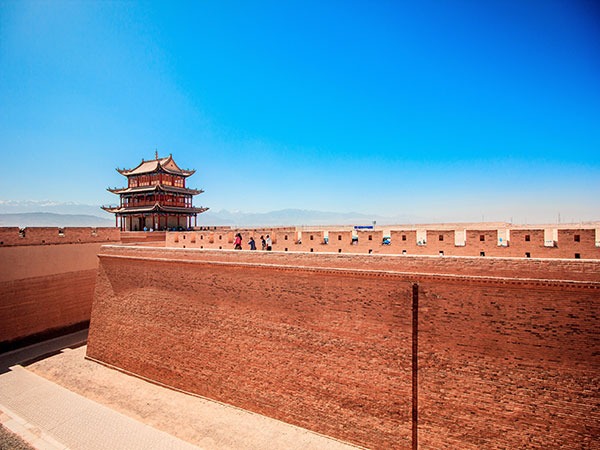
A Silk Road journey can connect landscape with evidence: Xian for imperial-capital context, the Hexi Corridor for frontier geography, Dunhuang for caves and manuscripts, and Turpan for oasis urbanism. It is best suited to travelers willing to cover long distances and spend time in museums and archaeological sites. Choose fewer stops if mobility, heat or repeated transfers are concerns. Verify current tickets, photography rules and restricted areas before departure. Responsible tourism treats earthen ruins, active religious sites and human remains with care and distinguishes a modern performance or reconstruction from an ancient original.
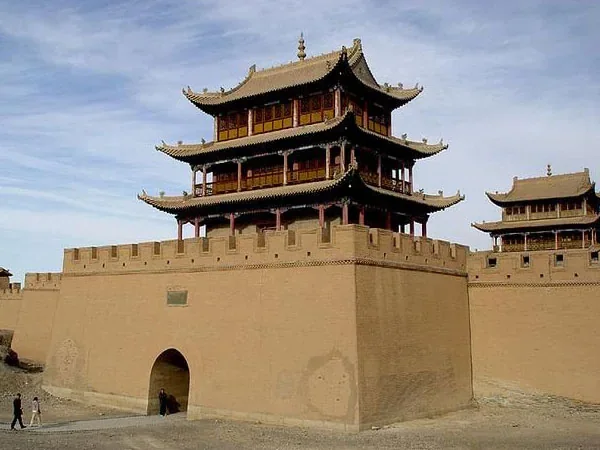
From $ 3510
From $ 3061

From $ 3683