Your China & Yunnan Travel Experts

 Ask a Question
Reviewed August 27, 2026. The best souvenirs from China are connected to a place, maker or experience and can be carried home legally and safely. Start with the recipient: a tea drinker may value a sealed regional tea, a design-minded traveler may prefer museum stationery, and a fragile ceramic only makes sense when packing and customs are manageable. Buy from a shop that can explain materials and provide a receipt. Rules for food, plants, animal products, cultural relics and checked baggage vary by destination, so consult Chinese Customs, the operating carrier and your home-country authority before purchase.
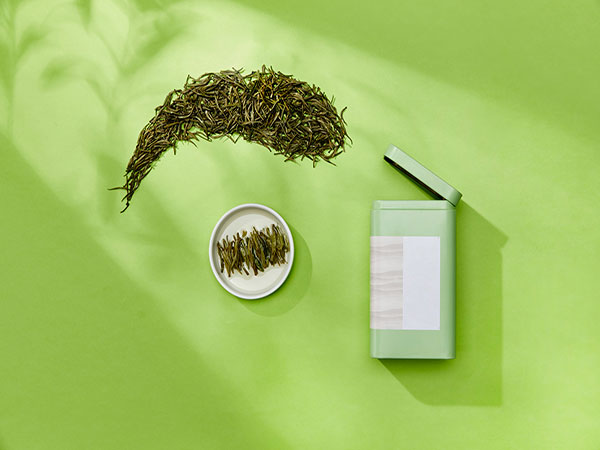
China produces green, black, white, oolong, dark and scented teas with different processing and storage needs. Famous names include West Lake Longjing, Wuyi rock tea, Anxi Tieguanyin and Yunnan pu'er, but the label alone does not guarantee grade or origin. Taste before buying when possible, ask when the tea was harvested or pressed, and compare aroma and aftertaste rather than accepting a dramatic health claim. Our Chinese tea culture guide explains brewing and regional traditions.
Choose sealed, clearly labeled packaging for travel and keep the receipt. Loose leaves may face plant-product inspection at the destination, while compressed tea can be heavy. A small quantity from a reputable tea shop is often more useful than an ornate box with little product information. The retained image shows actual loose tea prepared for tasting and remains beside this section because it matches the buying decision.
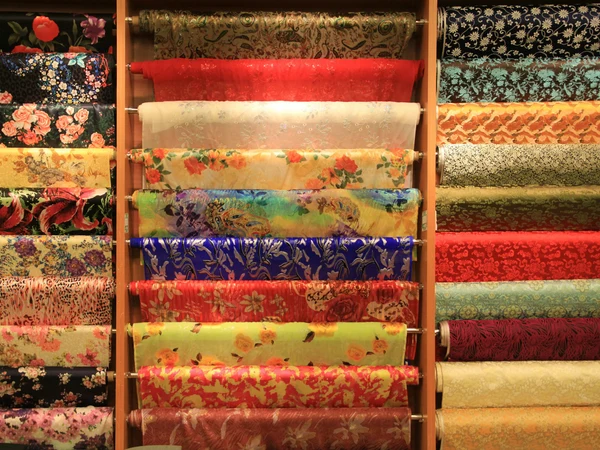
Scarves, ties, fabric, embroidery and garments are easy to carry, but “silky” is not the same as mulberry silk. Read the fiber label, inspect seams and printing, and ask whether a garment can be washed or must be dry-cleaned. A price far below comparable products is a reason to ask more questions, not proof of a bargain. Hangzhou and Suzhou have deep silk traditions, yet a trustworthy specialist in another city may be better than a compulsory tour-shop stop.
For a qipao or tailored item, allow fittings and agree in writing on fabric, lining, delivery date and alteration terms. Avoid exaggerated burn tests or pulling threads from merchandise. The replacement photograph shows real bolts of silk at a China silk facility, correcting the former staged illustration while preserving the original section's visual purpose. Travelers wanting broader craft context can consult the Chinese handicrafts guide.
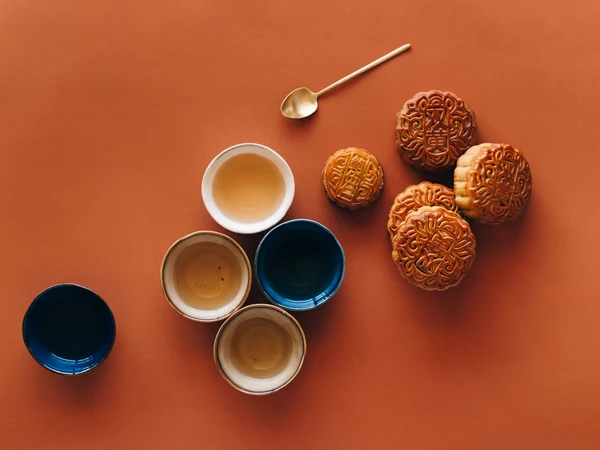
Mooncakes, osmanthus cakes and local nut or bean pastries can be memorable, but fresh products may have a short shelf life and ingredients such as meat, egg, nuts or seeds can trigger airline or destination restrictions. Read the production date, ingredients, allergens, storage temperature and sealed expiry date. Choose factory-sealed packages for the journey and declare food when required. The real mooncake-and-tea photograph now matches this section; it does not imply that every pastry travels well or that one regional style represents all of China.
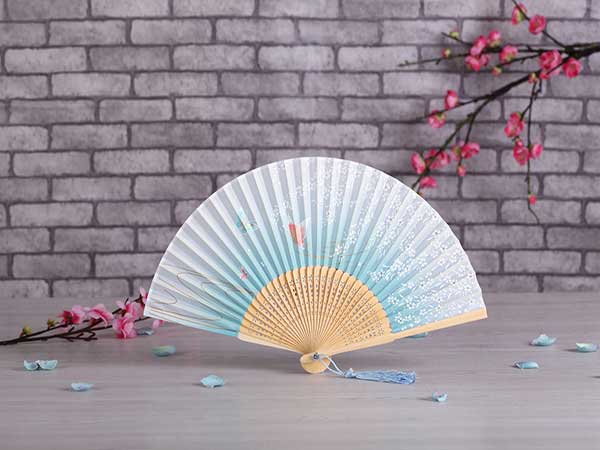
A folding fan may be a practical summer object, a decorative craft or a platform for calligraphy and painting. Bamboo ribs should open smoothly without sharp splinters; paper or silk leaves should sit evenly and show no fresh glue stains. Ask whether the work is hand-painted, printed or partly hand-finished, and pay accordingly. A seller who names the maker, material and place of production offers more evidence than a generic “ancient style” description.
Protect the fan in a rigid sleeve and keep it dry. Antique-looking does not mean antique, and a newly made replica should be sold honestly as such. Genuine older cultural objects may require export examination, so do not buy a claimed antiquity from an informal seller and assume it can leave the country. The existing image is retained because it clearly depicts a painted folding fan rather than an unrelated landmark.
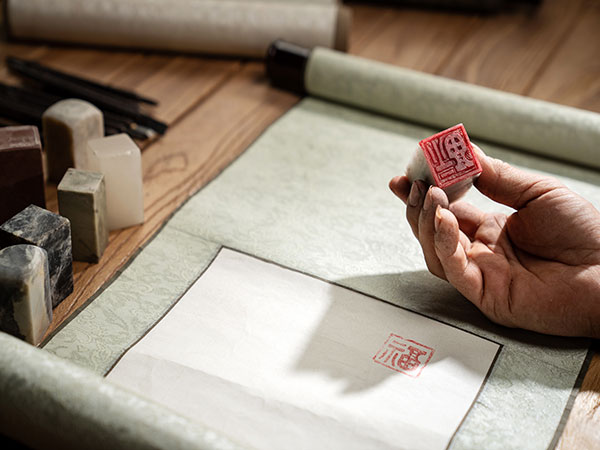
A personal name seal can be a compact, meaningful object when commissioned from a skilled carver. Decide whether you want a phonetic Chinese name, a translated meaning or a short phrase; have the characters explained in writing before carving. Stone, wood and synthetic materials differ in weight and detail. Ask whether the carving is hand cut, machine cut or finished by hand, and request a test impression before leaving. Avoid restricted wildlife materials and unsupported claims that a stone is rare jade.
Seal script is specialized, so a character that looks attractive may not say what the buyer expects. Keep the test print, maker's card and receipt together. The retained photograph shows a seal being applied to a calligraphy work, which helps explain use as well as appearance. For valuable pieces, seek independent expertise instead of relying solely on the seller's certificate.
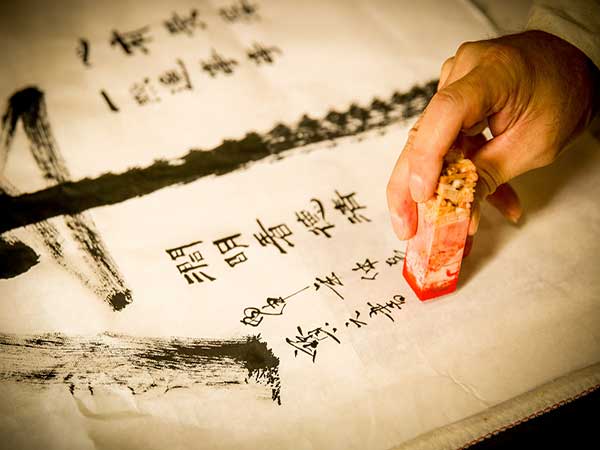
Ask the artist or shop to write the title, text, artist name, date and medium in a language you can understand. A contemporary hand-painted scroll does not need a famous attribution to be worthwhile; the story of meeting a working artist may carry more value. Handle the work with clean dry hands, roll it around its support rather than folding it, and use a protective tube. If a seller claims substantial age or national cultural importance, pause: cultural-relic exports can require formal examination or may be prohibited.
Museum shops offer notebooks, magnets, jewelry, toys and household items based on objects in their collections. The strongest purchase identifies the artifact or motif and explains its period or use, instead of applying a vague dragon pattern to anything. Buy through the museum's official shop or a clearly authorized channel if authenticity matters. Check small parts and age guidance for children, and avoid excessive packaging. For a wider comparison of retail districts and specialty markets, see China's major shopping destinations.
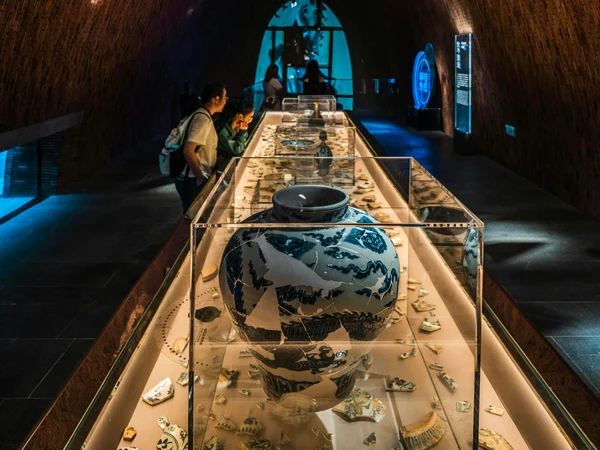
Jingdezhen is a major center of Chinese ceramic production, while other regions have their own kiln traditions and clays. Look beneath the glaze for cracks, chips, uneven foot rings or repaired damage, and ask whether a decorative piece is food safe, dishwasher safe or purely ornamental. A studio should be able to discuss firing, glaze and maker without inventing an imperial history. The new real Jingdezhen exhibition photograph replaces the previous CGI-like image and accurately supports this final category.
For transport, wrap each piece separately, protect handles and lids, and place fragile items in a rigid box surrounded by cushioning. Confirm cabin and checked-baggage limits with the carrier; shipping may be safer for a large purchase, but insurance and customs still matter. Keep an itemized receipt and photograph the condition before packing. Never accept coral, ivory, tortoiseshell or other wildlife material as a “traditional souvenir.” A modest contemporary bowl with a known maker is usually a better memory than an undocumented “antique.”
From $ 3061
From $ 1568

From $ 1136