Your China & Yunnan Travel Experts

 Ask a Question
China can reward Southeast Asian travelers with dense heritage, dramatic regional landscapes and fast intercity transport, but the best reason to go is a route that matches personal interests, season, mobility and budget.
Use this decision guide to choose two or three connected regions, verify entry rules, calculate door-to-door transfer time and prepare payment and connectivity backups. It replaces broad promises with trade-offs. Reviewed August 29, 2026.
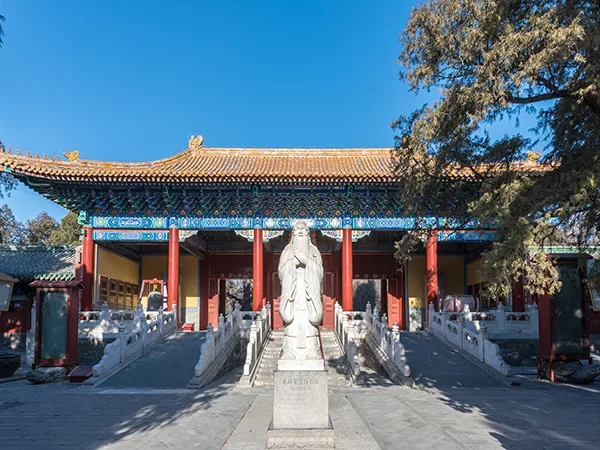
Imperial capitals, archaeological landscapes and defended borders reveal different periods; they are not interchangeable photo stops. Pair Beijing or Xi'an with one focused museum and enough time to interpret it. The Great Wall guide compares sections, access and hiking demands.
Best for travelers who prefer documented context. Reserve major museums early, use licensed interpretation, and avoid repeating unsupported legends as fact.

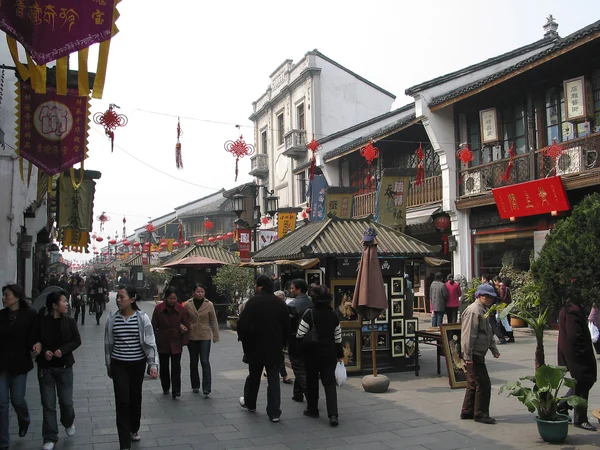
Language, belief, craft, music and food vary by region and community. A respectful visit observes local rules, asks before photographing people or rituals, and avoids presenting one minority performance as the everyday life of an entire group.
Choose depth: a Yunnan village route, a Fujian maritime-history route or a Jiangnan craft route is more coherent than collecting unrelated cultural shows.
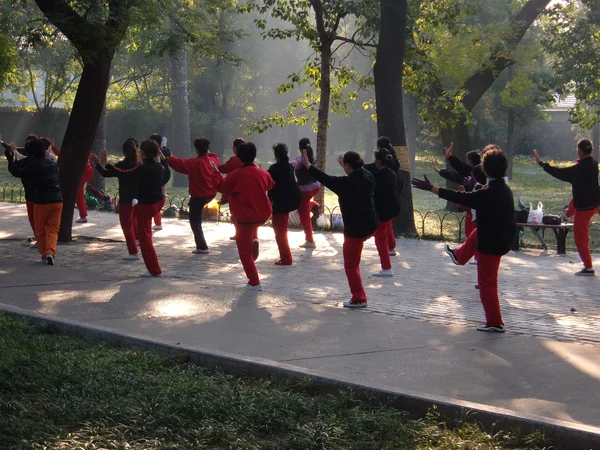
Karst rivers, alpine lakes, deserts, rice terraces and subtropical forests need different months, footwear and risk planning. Elevation, monsoon rain, typhoons and winter road conditions matter more than a national weather average.
Match effort to the traveler: Guilin can be lower intensity; Zhangjiajie involves stairs and queues; Jiuzhaigou uses managed scenic transport; high-altitude Tibet needs permit and acclimatization planning.

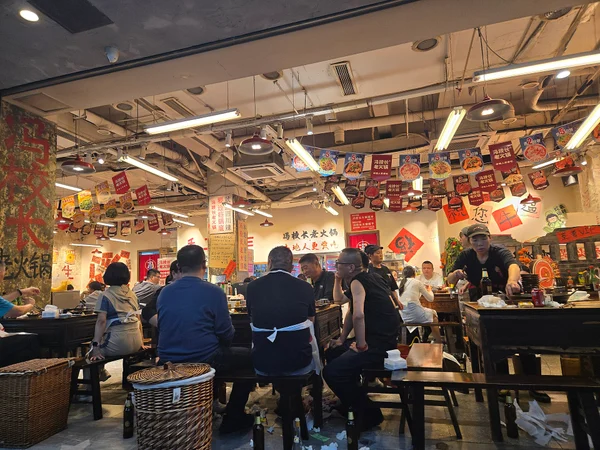
Chinese food is a network of regional cuisines rather than one menu. Compare Cantonese, Yunnan, Sichuan, Jiangnan and northwest traditions, and build market or restaurant visits into the route without making medical claims about dishes.
For allergies, carry written Chinese naming the ingredient and reaction, confirm oils and broths, and keep medication accessible. Vegetarian does not automatically mean egg-, dairy- or stock-free.
High-speed rail is efficient between major city pairs, but station transfers, security and passport-based ticket checks add time. Flights remain useful across very long distances or difficult terrain.
Compare city-center to city-center time, baggage, late-arrival transport and public-holiday demand. A Beijing–Xi'an–Shanghai rail spine is coherent; the Silk Road route needs more days and a different transfer strategy.

China is often experienced as orderly, but no destination is risk-free. Protect passports and phones, use licensed transport, check weather and attraction closures, register hotels correctly, and carry insurance details and an offline emergency contact.
A few Mandarin phrases, translated addresses and patience can turn routine moments into useful contact. Translation apps need power and data, so keep the hotel name and medical information offline.
Do not confuse friendliness with consent. Ask before portraits, respect queues and quiet zones, and use a guide when language is critical to medical, dietary or family-history decisions.
Compare quality, return terms and shipping restrictions before buying tea, art, antiques or medicinal products; never accept a wildlife item or a provenance claim simply because a seller says it is traditional. Use an internationally enabled card, a verified mobile wallet and renminbi cash as independent backups. For the broader country decision, the China overview connects geography, climate and transport; Yun Sky Travel can verify route feasibility but cannot guarantee weather, border admission or supplier inventory.
From $ 3061
From $ 1568

From $ 1136