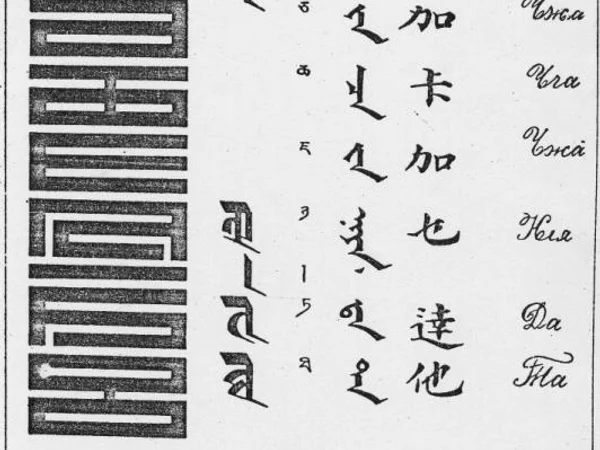
Tibetan language refers to a group of related varieties used across the
Tibetan Plateau and Himalayan regions, including communities in the Tibet Autonomous Region, Qinghai, Sichuan, Gansu and Yunnan and in neighboring countries. “Tibetan” is therefore both a literary tradition and a diverse spoken-language label; a phrase learned in Lhasa may not sound the same in Amdo or Kham. Reviewed August 29, 2026.
Language Varieties: More Than Three Neat Dialects
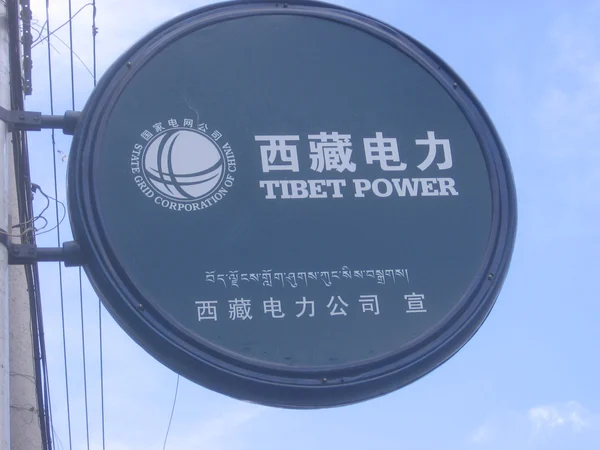
Central Tibetan, Khams and Amdo are common broad groupings, but each contains local varieties and linguistic boundaries do not exactly match administrative borders. Mutual understanding ranges widely. Tone, consonants, vocabulary and grammar differ, while shared written conventions can connect readers who speak differently.
Do not call Lhasa speech the universal “standard pronunciation” for every Tibetan speaker. For travel, tell a guide the exact destination and request a local name in Tibetan script, Chinese characters and a practical romanization.
History and Use of the Tibetan Script
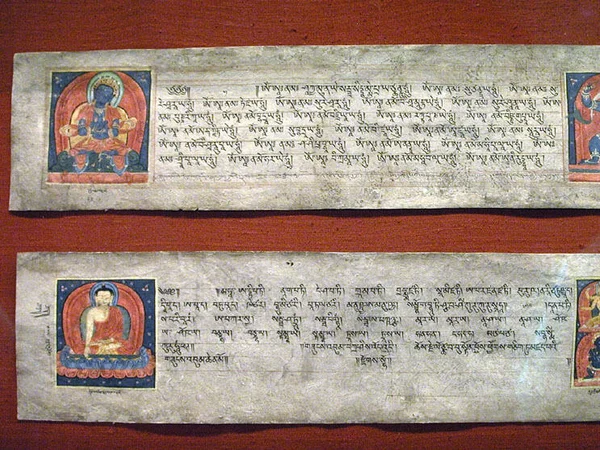
Traditional histories connect the script's seventh-century development with Thonmi Sambhota and the reign of Songtsen Gampo. The script clearly reflects North Indian writing traditions, but the biography and single-inventor narrative come from later sources and should be presented as tradition rather than a complete contemporary record. See Tibet history for the imperial context.
Written Tibetan uses an abugida: consonant letters carry an inherent vowel, while vowel signs and stacked or prefixed letters build syllables. Classical or Literary Tibetan preserves spellings that no longer match every modern pronunciation. It is not “the only language able to restore Sanskrit”; translation depends on texts, grammar and scholarship, not script shape alone.
How Writing and Pronunciation Relate
A written syllable can include a root letter, prefixes, superscripts, subscripts, vowel signs and suffixes. The syllable dot (tsheg) separates orthographic units; it does not function exactly like an English space. Unicode supports Tibetan script, but fonts and line-breaking still affect display.
• Tone
Tone is important in several Central Tibetan varieties, including Lhasa speech, while many Amdo varieties use different consonant contrasts instead. A four-tone classroom scheme may describe one analysis of Lhasa Tibetan, not every speaker or context. Learn by listening to a local speaker rather than reading English pitch numbers alone.
• Consonants and spelling
The alphabet has thirty basic consonant letters in its traditional ordering. Historical prefixes and stacked letters often influence tone or pronunciation even when not sounded separately. Romanization systems serve different goals: Wylie maps spelling predictably, ALA–LC supports cataloging, and travel spellings try to suggest speech. They should not be mixed without labeling.

• Vowels and practical reading
Four vowel signs modify the inherent /a/, commonly represented as i, u, e and o. Actual vowel quality changes by dialect and neighboring consonants. For names, save a screenshot of the Tibetan and Chinese forms, ask the speaker to record the pronunciation and avoid correcting a local person's identity to match a map spelling. Visitor etiquette matters more than memorizing a long phrase list: do not use sacred text as decoration, step over books or photograph a manuscript without permission. The
Tibetan opera guide shows language in performance, and
Tibetan religion explains why written words can carry devotional value.

 Ask a Question