Your China & Yunnan Travel Experts

 Ask a Question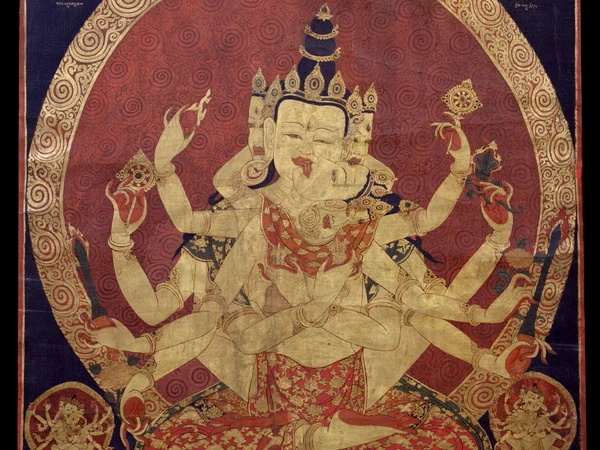
Surviving works show exchange among Tibetan, Nepalese, Kashmiri, Indian and Chinese artists and patrons. Period labels such as “Song,” “Yuan” or “Ming” describe broader political eras; they do not by themselves establish a workshop or exact date.
Training can take years, and a single work may take weeks, months or longer depending on scale and detail. Materials vary: some painters use mineral and organic pigments, hide glue and gold; others combine traditional methods with commercial pigments. Claims that every color contains a precious substance should be verified.
1. Prepare the support A fine cotton cloth is sewn to a temporary frame and tensioned evenly. Large works may use joined cloth; the seam should support the image without distorting key figures.
2. Size and polish The cloth receives a ground made from binder and fine mineral material, then is polished to create a smooth painting surface. Recipes vary by workshop. Abrasion, excess moisture and folding can later cause cracking or loss.
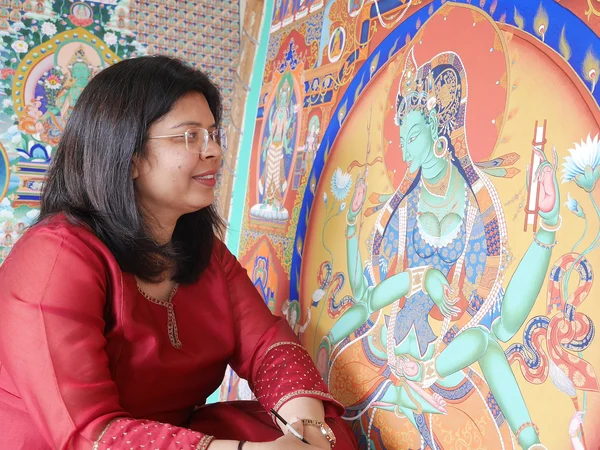
3. Establish the grid Center lines and measured iconometric grids guide proportions. These systems are learned within artistic and religious lineages; they are not a generic “golden ratio.”
4. Draw the composition The artist lays out principal figures, attendants, landscape and offerings, often moving from charcoal or light sketch to controlled ink lines. Commission instructions determine subject and lineage.
5. Apply color Broad color areas are built in an ordered sequence, then shaded and modeled. Pigment identification requires analysis; appearance alone cannot prove lapis, cinnabar, malachite or gold.
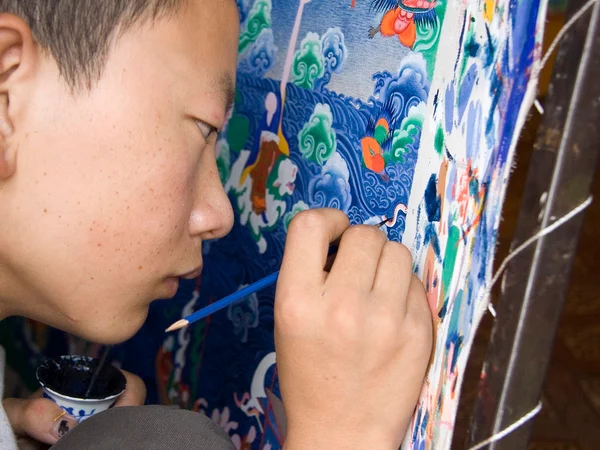
6. Refine outlines and gold Fine lines, textile patterns, halos and gilded details clarify hierarchy and rhythm. Gold may be powder, paint or leaf, and later retouching can look different under magnification.
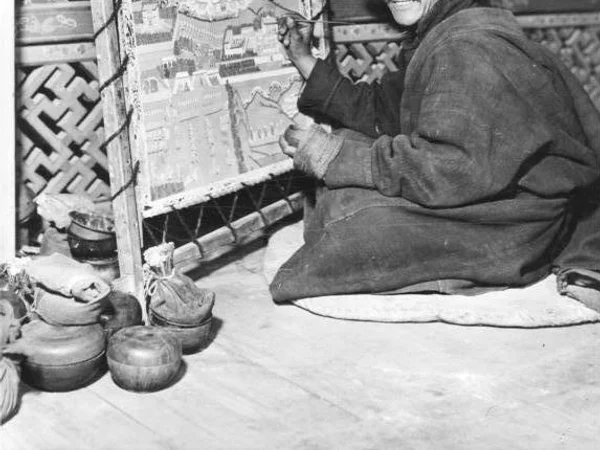
7. Complete the faces Opening the eyes is a significant final stage in many workshops. A religious specialist may later perform consecration, but artistic completion and ritual consecration are separate processes.
8. Add inscriptions and finish the reverse Artists or religious teachers may add identifying or consecratory text. A blank reverse does not prove a work is fake, and an inscription alone does not prove age; handwriting, pigment and provenance require expert study.
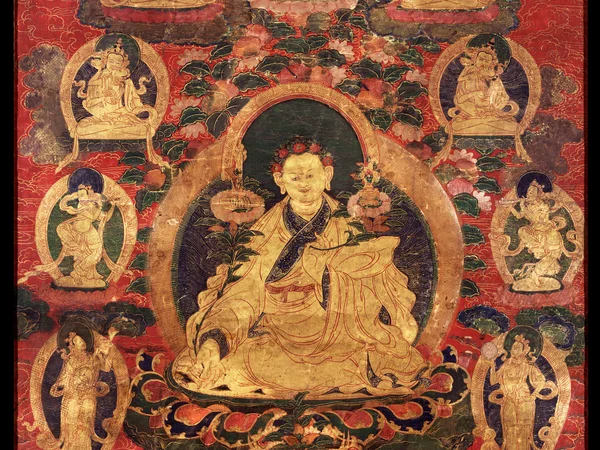
9. Mount, dedicate and use A tailor may add silk borders, veil, rods and ribbons so the image can hang and roll safely. Dedication or consecration depends on the commission and community. Mounting can be replaced after wear, so a newer textile border may surround an older painting.
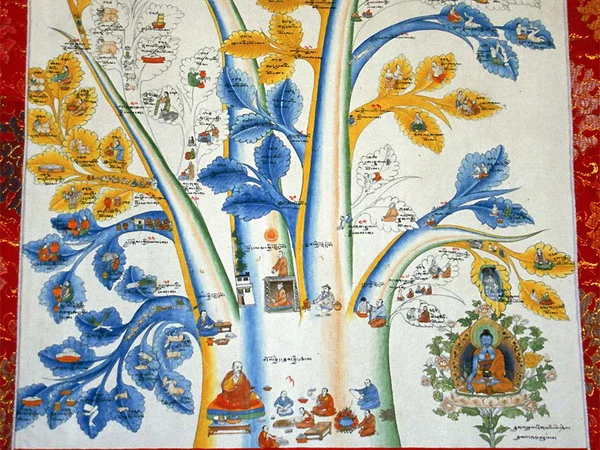
By subject: Buddhas, bodhisattvas, teachers, protectors, mandalas, biographies, cosmology, medicine and ritual cycles. Correct identification requires attributes and lineage context.
By scale and use: Small personal images, standard hanging scrolls, teaching sets and monumental appliqué thangkas displayed on special occasions. Size does not determine sanctity or quality.
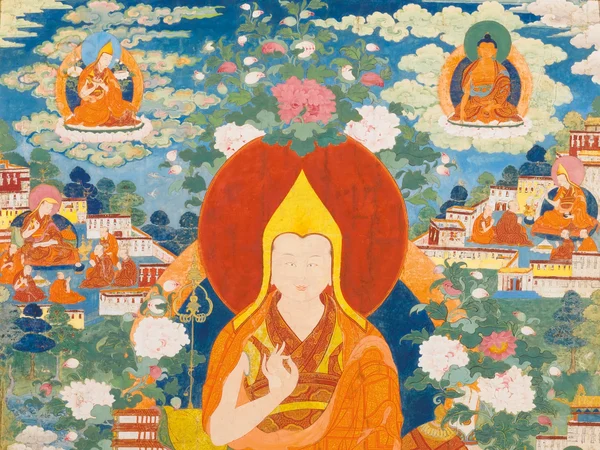
By material: Painted cloth or paper, embroidery, appliqué, silk tapestry, brocade and printed or mixed-media forms. Textile works may contain several weaves, metal-wrapped threads, repairs and later borders.
Composition is structured by iconography, not free decorative balance alone. Before buying, ask for the subject, maker, workshop, date, materials, condition, provenance and whether the work was used or consecrated.
Paint can flake when rolled; silk can split; animal glue responds to humidity; bright light fades dyes. Store a modern purchase only with maker or conservator guidance, never laminate it and do not attempt household cleaning.