Your China & Yunnan Travel Experts

 Ask a Question
Reviewed August 27, 2026. A first trip to China is easier when you separate decisions that must be made before departure—entry permission, connectivity, reservations and medication—from choices that can remain flexible. This guide is written for U.S. travelers, but no article can confirm an individual's eligibility or health needs. Check official sources, match every booking to the passport you will carry and keep a paper copy of essential details. The eleven tips below focus on the points that most often affect a real itinerary, without assuming that every city or traveler works the same way.
Most U.S. citizens need a visa before entering mainland China, although limited exemptions exist. The 240-hour visa-free transit policy is not a substitute for an ordinary round trip: an eligible traveler must be going from one country or region through China to a different third country or region, use a designated port, hold confirmed onward travel and remain within permitted areas. The National Immigration Administration listed 65 eligible ports and 55 nationalities, including the United States, when this page was reviewed. Rules can change and border officers make the final decision. Check the Chinese embassy or consulate and the National Immigration Administration before booking. Carry the passport used for every reservation, a separate copy of its identification page, your entry document and an offline copy of the onward itinerary.

 Current 240-hour visa-free transit requirements
 Official visa and entry-rule check before payment
Do not wait until the arrival hall to discover that a work, banking or messaging service is unavailable. Access to some foreign platforms is restricted in mainland China, and availability can change. Before leaving the United States, ask your mobile carrier how international roaming is routed, confirm that your phone is unlocked if you plan to use an eSIM or local SIM, install the hotel and airline apps you need, and save booking numbers offline. Download an offline map, a translation pack and the Chinese names and telephone numbers of each hotel. Follow applicable laws and the terms of any network service; do not rely on a single workaround for essential communication. Arrange a second contact method and give family a copy of the route.
 China internet-access preparation checklist
Beijing and Shanghai are useful first-trip anchors, but adding places simply to increase the city count produces more station transfers than experience. Choose one geographic contrast that matches your interests: Xi'an for imperial history and archaeology, Chengdu for Sichuan food and panda conservation, Guilin and Yangshuo for karst landscapes, or a carefully planned Zhangjiajie stay for mountain scenery. Yunnan and Tibet require additional time and, in some cases, specialist logistics or permits. Compare travel time door to door rather than looking only at flight or train duration. A three-night stop generally creates two usable sightseeing days; one-night stops are often just luggage, check-in and departure.
For a first visit, a practical route might combine Beijing, Xi'an and Shanghai, then add Chengdu or Guilin only when the trip has enough nights. Reserve a slower block after the trans-Pacific flight and before the return journey. For intercity trains, register with the official China Railway 12306 service, enter the name exactly as the passport shows it and verify the specific station—large cities have several. Foreign passengers can use a valid passport for real-name tickets and must carry that same original document to board.

Bamboo rafting on the Yulong River near Yangshuo, one possible nature-focused addition to a city route
 First-time China destination-planning guide
Spring and autumn are comfortable in many regions, but there is no single best month for all of China. Beijing, Guilin, Chengdu and high-altitude western areas have different rain, heat and elevation patterns. National Day week in early October, the Lunar New Year period and other public-holiday peaks can bring crowded trains, limited rooms and higher prices; major attractions can also sell out outside holidays. Use the China timing guide for U.S. travelers as a starting point, then check the actual year's holiday calendar, local weather and attraction closures. If peak dates are unavoidable, reduce hotel changes, reserve transport promptly when sales open and keep one lower-priority activity that can be dropped.

Autumn color in Jiuzhaigou Valley; conditions and crowd levels vary by date
 Best-time and holiday-planning details
Mandarin is not a prerequisite for visiting major destinations, but English signage and spoken assistance are uneven. Save each hotel, station and attraction in Chinese characters, not only in romanization. Screenshot the address, pin it on an offline map and keep the hotel telephone number. A professionally translated card is safer than improvised language for a serious allergy or medical condition. The guide to traveling in China without speaking Chinese explains how to combine offline translation, visual confirmation and written addresses. Learn a greeting, “thank you,” numbers and a polite way to decline; small efforts help, but do not treat a stranger as an unpaid interpreter.
Restaurant menus increasingly use photographs or digital ordering, yet a picture cannot confirm ingredients, cross-contact or dietary suitability. Ask staff to repeat the choice on screen before paying and carry dietary wording that states what you cannot eat and what may happen if you do. On a guided day, tell the operator in writing before arrival and reconfirm with the restaurant.
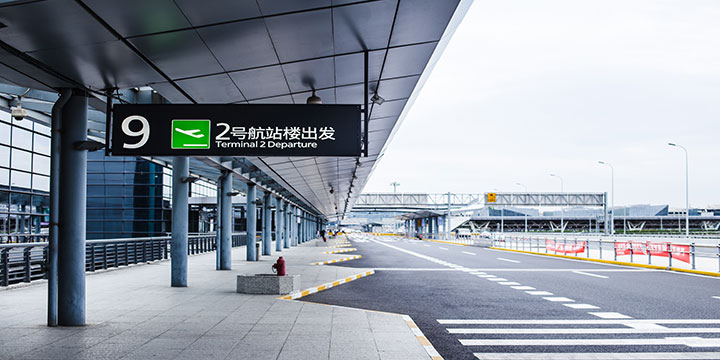
 Useful Chinese phrases and offline translation preparation
Bargaining may be expected in some souvenir markets and small independent stalls, but it is not standard at supermarkets, museums, chain stores, pharmacies or places with fixed electronic prices. Ask calmly whether a discount is possible, decide your maximum before negotiating and compare material and workmanship rather than assuming the first price is “fake.” Do not begin unless you are genuinely willing to buy, and walk away politely if there is no agreement. High-value jade, pearls, antiques and branded goods require provenance and specialist knowledge; a sales certificate does not guarantee quality or legal export. Use traceable payment and request a receipt for any meaningful purchase.

Yangshuo West Street in the evening, where fixed-price shops and negotiable stalls can sit close together
 Practical shopping and market-etiquette guide
Tipping is less routine in mainland China than in the United States, especially in ordinary restaurants and taxis, but “never tip” is too absolute. Upscale hotels, private guides, drivers, cruises and international tour products may publish a gratuity policy or include service charges. Read the contract and restaurant bill before adding money. Ask the operator whether guide and driver gratuities are included, suggested or discretionary, and in which currency. Rewarding good service should never replace fair wages or pressure staff to accept cash where workplace rules prohibit it. A sincere thank-you and specific positive feedback can also be appropriate.
 Dining customs, service charges and gratuity expectations
Public-restroom standards vary from renovated transport hubs to basic facilities at scenic or rural stops. Many restrooms provide paper, soap and western-style toilets, but supplies are not guaranteed; squat toilets also remain common. Carry a modest amount of tissue, hand sanitizer and any personal hygiene item you cannot easily substitute. Keep them in a small pouch rather than overpacking the day bag. Travelers with mobility, balance or ostomy needs should ask hotels and guides for accessible stops in advance and allow extra time at stations. Floors can be wet, so stable footwear matters more than stereotypes about a whole country's facilities.
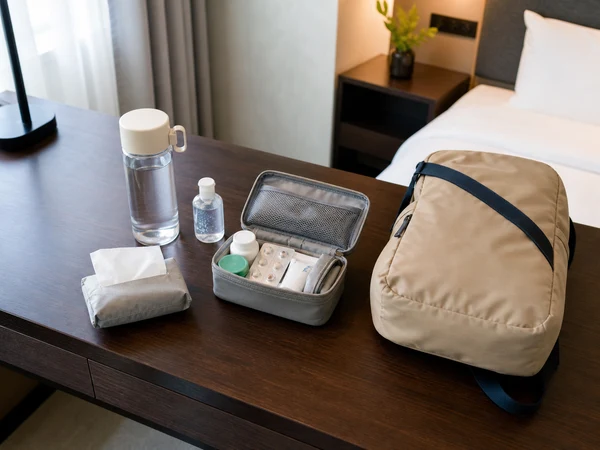
 Detailed China packing checklist and compact hygiene-kit advice
The U.S. Centers for Disease Control and Prevention advises travelers not to drink tap water in mainland China, even in major cities. Use sealed bottled water or properly boiled or treated water for drinking, medication and toothbrushing when advised for your health. Inspect the bottle seal and avoid adding ice when its water source is uncertain. Many hotels provide bottled water or a kettle, but quantities and refill arrangements differ. Before choosing accommodation, use the China hotel-selection checklist to confirm drinking-water provision, refrigerator needs, breakfast, elevator access and the distance to the correct station. A reusable bottle is useful only when filled from a known safe source.
 Safe drinking-water options and hotel refill arrangements
No destination is risk-free, and a low-crime impression does not remove legal, health or transport risks. The U.S. Department of State's China guidance was dated March 12, 2026 when this page was reviewed; read the current advisory and country information before departure. Keep passport and entry documents secure, use licensed transport, watch bags in crowded stations, and do not carry all payment methods together. Save the hotel address, insurer and emergency contacts offline. Follow local laws, avoid demonstrations, respect restrictions on photography and drones, and seek professional medical care rather than relying on a tour guide for diagnosis. Travelers with prescription medicines should confirm legality and carry supporting documentation.

Beijing, Xi'an, Lhasa, Chengdu and Shanghai; Tibet entry arrangements and altitude pacing must be confirmed
 China travel-safety planning guide
Experiences differ by place and person. In major visitor areas, international travelers may attract little notice; in places with fewer foreign visitors, someone may look longer, start a conversation or request a photograph. Curiosity does not excuse photographing children or adults without consent. If you are comfortable, a greeting can turn the moment into a friendly exchange. If not, say no, step away or ask a guide or staff member for help. Parents should agree on a simple response before the trip so children do not feel obliged to pose. Avoid explaining individual behavior as “what Chinese people are like”; crowding, age, setting and personality all matter.
If unwanted attention continues, move toward staff or a populated area and use a clear boundary rather than escalating. The most useful first-trip habit is to observe a situation, check what it means and adjust without surrendering personal safety or dignity. That approach leaves room for genuine encounters while avoiding both idealized promises and negative stereotypes.
 Respectful ways to handle photo requests and cross-cultural attention
These China travel tips for Americans may help you a lot while preparing, but you can even enjoy a hassle-free tour with one easy step —— Join Yun Sky Travel.
Customers from YUNSKY
For one week:
For two weeks:
You can join our group tours to know more people, or just let us know your requirements for this China tour, we will customize a wonderful China tour for you.

From $ 2498

From $ 22782050
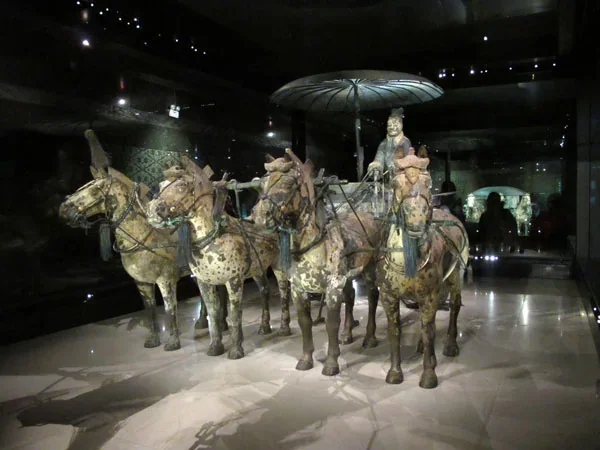
From $ 2983