Your China & Yunnan Travel Experts

 Ask a Question
Reviewed August 27, 2026. Ordering in China becomes easier when you think by region, cooking method, portion and dining context rather than searching for one universal “authentic Chinese” menu. This guide explains nine approachable dishes, what to ask and how to build a balanced shared meal. Regional names and recipes vary, so use the Chinese cuisine overview to understand why the same English label can lead to different plates in Beijing, Chengdu, Shanghai or Guangzhou.
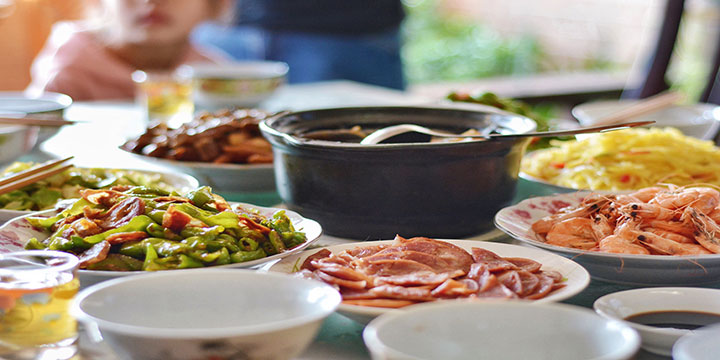
Family-style Chinese meal with several regional dishes, vegetables and a shared soup
American Chinese food is a real immigrant cuisine shaped by local ingredients, restaurant history and customer preferences; it should not be dismissed as “fake.” Restaurants in China developed in different regional and social contexts. General Tso's chicken, orange chicken, fortune cookies and American takeout conventions may be uncommon, while a local menu may organize dishes by ingredient or cooking technique rather than the categories familiar in the United States.
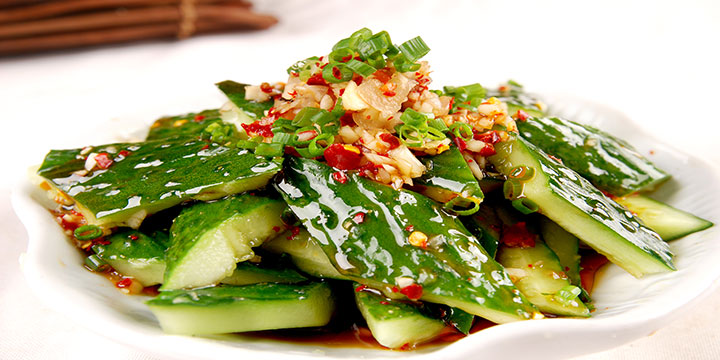
Smashed cucumber, a cold dish whose dressing may contain garlic, sesame and chili
Read the menu as an invitation to ask specific questions. Photos help identify a dish but do not reveal heat, bones, nuts, shellfish, organ meat or portion size. These five differences matter most:
In Beijing, start with Peking roast duck at a specialist restaurant that explains portion size and service. A whole duck can be too much for a small party, while half-duck or tasting portions may be available. Ask what is included—carved meat and crisp skin, pancakes, scallion, cucumber and sauce—and whether the carcass is used for soup or another course.
Place a modest amount of duck and accompaniments in a thin pancake, fold it without overfilling, and taste the crisp skin as well as the meat. The sweet flour or bean-based sauce can contain wheat or soy; the duck is not automatically free of those allergens. Reserve popular restaurants and arrive at the named branch because menus and queues differ.
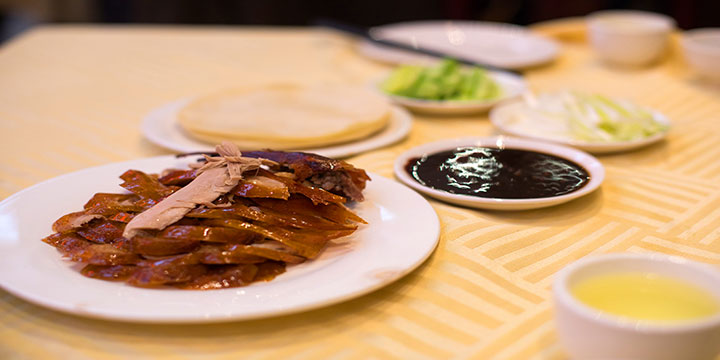
Beijing roast duck served with thin pancakes, scallion, cucumber and sauce
Order the Sichuan dish often translated as gongbao chicken when your party accepts peanuts and chili. Traditional versions commonly combine diced chicken, dried chilies, peanuts and a balanced savory, sour and lightly sweet sauce, with Sichuan pepper used by some kitchens. The American version may be sweeter or contain a different vegetable mix; neither description predicts every restaurant.
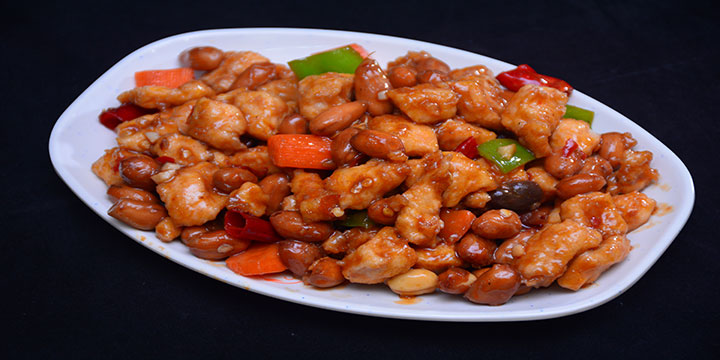
Gongbao chicken with peanuts and dried chili; travelers with nut allergy need a different dish and cross-contact discussion
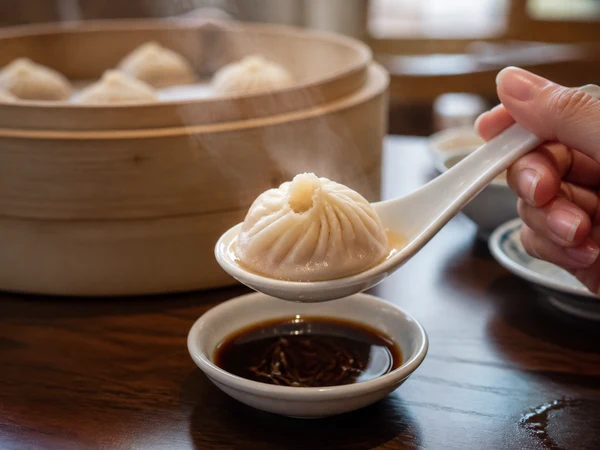
In Shanghai and the Jiangnan region, try xiaolongbao as a steamed dumpling with a thin wrapper and hot broth inside. Fillings often use pork; crab-season versions and other variants exist. “Soup dumpling” describes the broth released as the filling cooks, not a dumpling served in a bowl of soup.
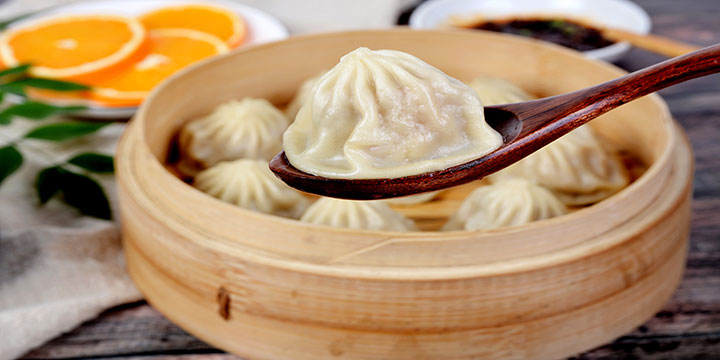
Lift one gently onto a spoon, open a small edge and let steam escape before sipping or eating. Do not bite straight into a freshly served dumpling. Vinegar and ginger may accompany it. Ask about shellfish, sesame, wheat and filling ingredients rather than assuming that a visible pork label covers the sauce and shared kitchen.
Xiaolongbao in a bamboo steamer
Chinese spring rolls vary by region, season and festival. Thin wrappers may enclose vegetables, pork, shrimp or sweet fillings and can be fried until crisp. Egg rolls in the United States have their own restaurant history; using one as the only reference can hide differences in wrapper, size and filling.
Ask whether the filling contains meat or shellfish and whether the frying oil is shared. A vegetarian filling does not guarantee vegan preparation or isolation from allergens. Eat the roll while crisp, but allow the center to cool; a sealed wrapper can hold heat.
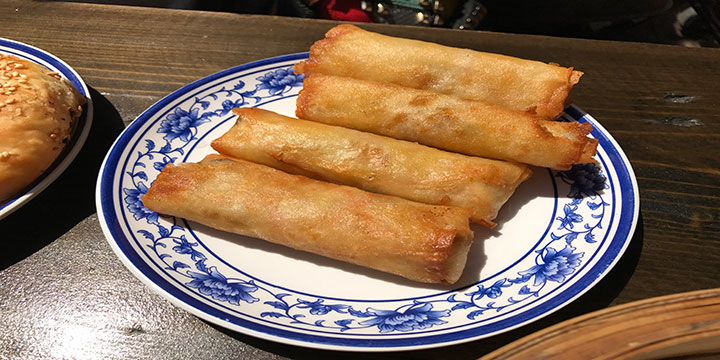
Golden spring rolls served as a shared starter
Mapo tofu is a Sichuan dish whose character comes from soft tofu, fermented broad-bean chili paste, aromatics and often minced beef or pork, with chili heat and the numbing sensation of Sichuan pepper. It is not automatically vegetarian because tofu is present. Ask whether meat stock or mince is used and whether the kitchen can adjust heat without removing the dish's core seasoning.
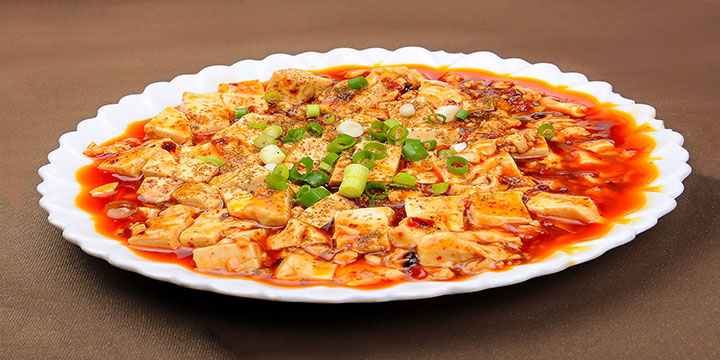
Mapo tofu with soft tofu, fermented chili-bean seasoning and scallion
Jiaozi are crescent-shaped dumplings strongly associated with northern China and family celebrations, though they are available widely. Fillings can combine pork, beef, lamb, shrimp, egg, chives, cabbage, mushrooms or other vegetables. The menu or server should confirm the exact filling; “vegetable dumpling” does not identify egg, dried shrimp or seasoning.
Boiled dumplings emphasize a tender wrapper, steamed versions stay relatively dry, and pan-fried dumplings add a crisp base. Order one preparation first rather than assuming that every dumpling called “fried” is the same style. Vinegar, garlic and chili oil are optional table condiments; taste before mixing a strong sauce.
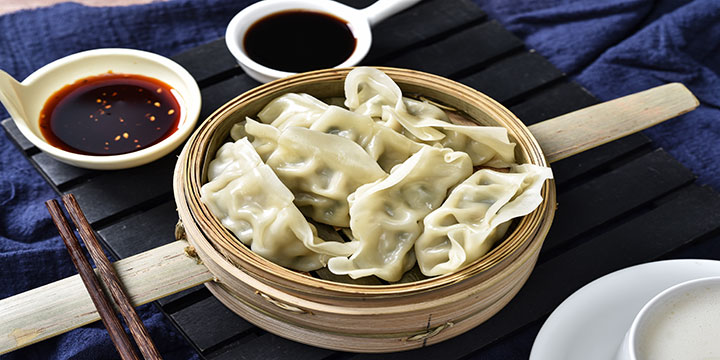
Steamed jiaozi with vinegar and chili condiments served separately
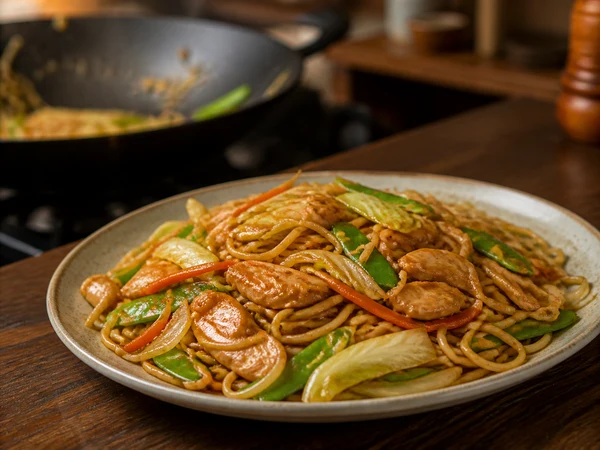
Chao mian is a broad description for stir-fried noodles, not one fixed recipe. Wheat noodles are common in many regions; rice noodles and wide rice sheets appear frequently in southern cooking under other names. Ask which noodle, protein and vegetables are used and whether the serving is intended for one person or the table.
4 Days Guangzhou and Shenzhen Tour
Dr. Sun Yat-sen Memorial Hall, Chen Clan Ancestral Hall, Shamian Island and Shenzhen cultural attractions
A hot pot meal is both dinner and a cooking process. Broth styles range from Chongqing's chili-and-beef-fat intensity to clear mushroom, tomato or regional alternatives. A divided pot can separate flavors, but it may not prevent allergen cross-contact when utensils, sauce stations and preparation areas are shared.
Order in stages: thin meat, tofu, mushrooms, leafy greens, root vegetables and noodles can have different cooking times. Keep raw-meat chopsticks or tongs away from ready-to-eat food, wait for items to cook fully and avoid reaching across the boiling pot. Ask staff for timing rather than relying on color alone.
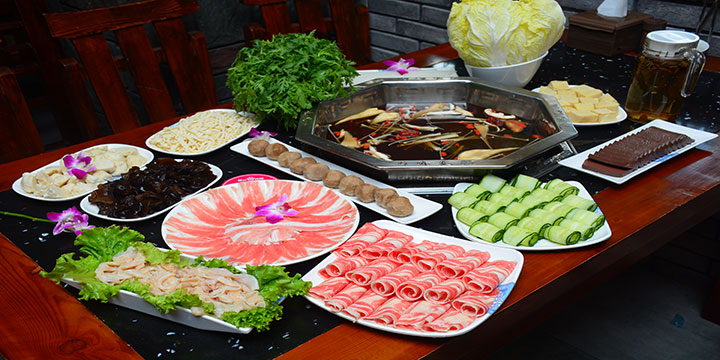
Chinese hot pot with divided broth, sliced ingredients and vegetables arranged for cooking
A vegetable dish balances a shared meal. Ask what is fresh that day: bok choy, choy sum, gai lan, spinach, water spinach, pea shoots, lettuce and other greens appear by region and season. The same vegetable may be stir-fried with garlic, blanched and dressed, or steamed with a savory sauce.
“Plain” still needs clarification. Oyster sauce contains shellfish, and stocks or rendered fat may be used even when no meat is visible. Requesting less oil, no chili or garlic-free preparation may be possible, but availability depends on the kitchen. A specific question is more reliable than asking for “healthy food.”
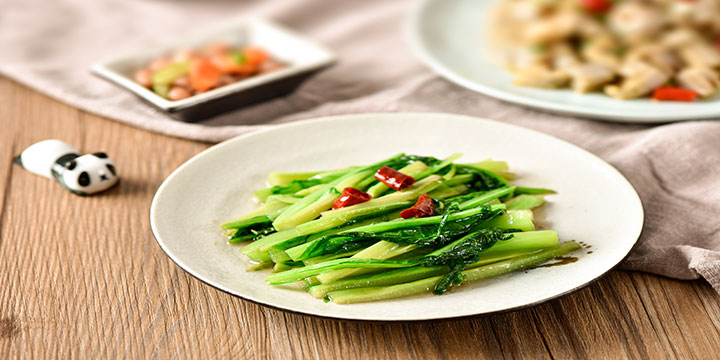
Seasonal Chinese greens stir-fried with garlic and served as part of a shared meal
Use these nine dishes as a starting vocabulary rather than a ranked checklist. In each city, add one local specialty, one seasonal vegetable and one simple staple. If a menu is extensive, ask what the restaurant is known for and what portion fits the party before ordering. Chinese food guide covers regional styles and ingredients; confirm the actual recipe with the restaurant.
A useful food tour names its neighborhoods, hosts and tastings; states walking distance and group size; and can explain hygiene and allergy procedures. It should not promise access to a private home without the host's informed agreement. Leave unscheduled meals so the itinerary is not a continuous tasting session.
For food allergy or medical dietary needs, send the exact ingredients in Chinese before booking and carry a professionally translated card. Cross-contact can occur through shared oil, broth, grills, utensils and surfaces even when the named ingredient is removed. Review the food safety in China guide , bring prescribed emergency medication and do not accept an “allergen-free” guarantee that the kitchen cannot substantiate. A well-designed food route should match your appetite, allergies, mobility and destination sequence rather than repeat famous dishes in every city.

From $ 2498

From $ 22782050

From $ 2983